Shipping from Guangzhou to Australia: The Ultimate Guide (2026)
Are you looking for reliable shipping from Guangzhou to Australia? As the manufacturing hub of South China, Guangzhou is a key origin for Shipping From China to Australia. However, navigating the logistics—from choosing between sea and air freight to complying with strict Australian Border Force (ABF) quarantine regulations—can be daunting. Hidden costs, documentation errors, and unexpected delays are common pitfalls for the unprepared.
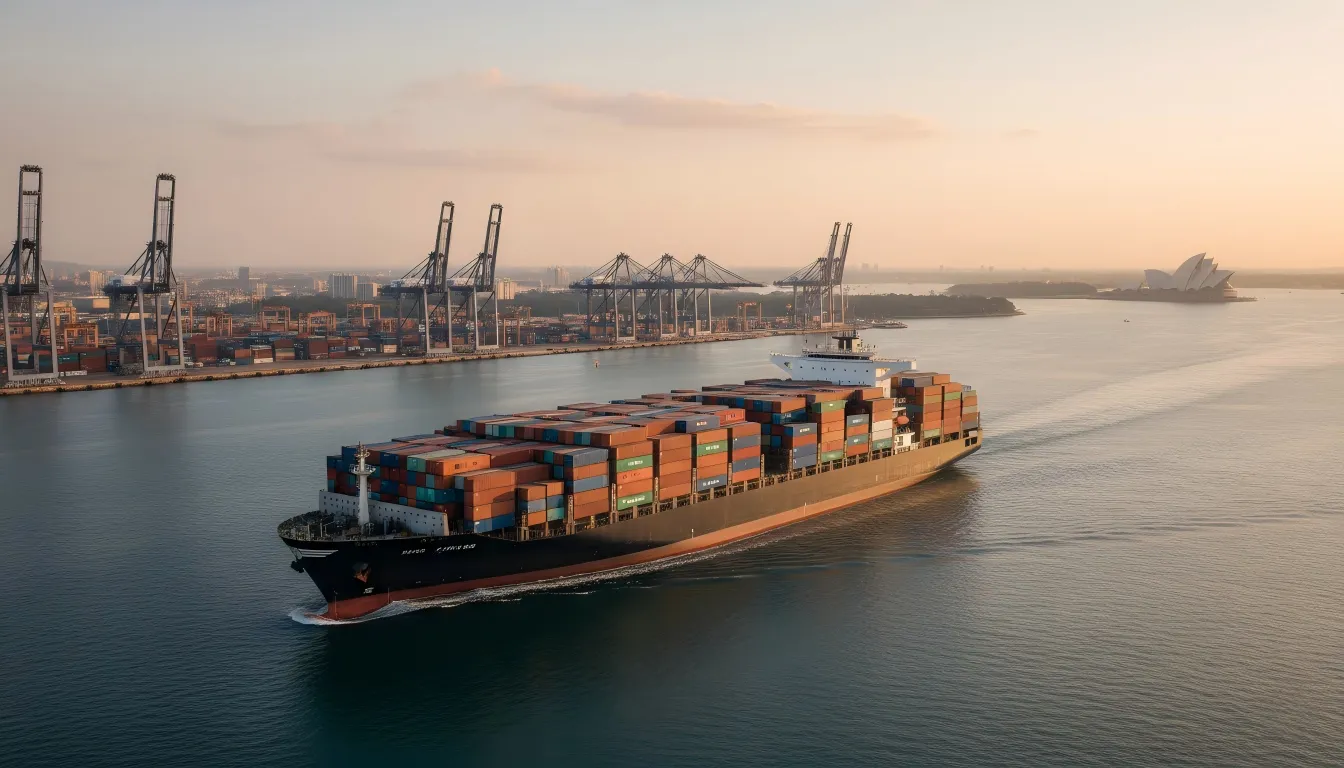
In our 15+ years of experience managing supply chains, we've seen simple documentation errors lead to weeks of delays at Sydney ports. In this comprehensive guide, we’ll break down everything you need to know to ship goods efficiently and cost-effectively, based on real-world scenarios we handle daily at AllBestShipping.
1. Shipping Modes from Guangzhou to Australia
Choosing the right shipping mode depends on your budget, cargo volume, and timeline. Here is a breakdown of the primary options.
Sea Freight (Ocean Freight)
Sea Freight from China to Australia is the most popular choice for bulk shipments due to its cost-efficiency.
- FCL (Full Container Load): This is ideal if you have enough cargo to fill a 20ft or 40ft container. You pay a flat rate for the container, making it the most economical option for large volumes.
- LCL (Less than Container Load): If your shipment is between 1 and 15 cbm, LCL allows you to share container space with other importers. You only pay for the volume your cargo occupies. For more details, check our LCL Shipping Guide.
- Key Ports: Shipments typically depart from Guangzhou Port (Nansha or Huangpu) and arrive at major Australian ports including Sydney, Melbourne, Brisbane, and Fremantle.
Expert Insight: For clients shipping heavy furniture or machinery, we strongly recommend FCL even if you don't fully fill the container. The lower risk of damage compared to LCL consolidation often outweighs the slight cost difference.
Air Freight
When speed is critical, Air Freight is the answer.
- Standard Air Freight: This service moves cargo from Guangzhou Baiyun International Airport (CAN) to major Australian airports (SYD, MEL). It is faster than sea freight but more expensive. It is best for high-value or time-sensitive goods.
- Express Shipping: For samples, documents, or small parcels (under 45kg), courier services like DHL, FedEx, and UPS offer door-to-door delivery. While this is the most expensive option per kilogram, it includes Customs Clearance handling, simplifying the process.
2. Transit Time: How Long Does It Take?
Transit times vary significantly based on the mode of transport and the final destination in Australia.
| Shipping Mode | Port-to-Port / Airport-to-Airport | Door-to-Door (Est.) |
|---|---|---|
| Sea Freight (FCL/LCL) | 12 - 25 Days | 30 - 45 Days |
| Standard Air Freight | 3 - 7 Days | 7 - 12 Days |
| Express Courier | 3 - 5 Days | 3 - 5 Days |
Note: Sea freight times can be affected by port congestion and seasonal peaks (e.g., prior to Chinese New Year).
3. Shipping Costs: Rates & Estimates (2026)
Freight rates fluctuate due to fuel prices, demand, and seasonal factors. Below are estimated ranges for 2026 to help you budget.
- Sea Freight Rates:
- 20ft Container: ~$1,800 - $3,500
- 40ft Container: ~$3,000 - $5,000
- Air Freight Rates:
- Rates typically range from $4.00 to $8.00 per kg, depending on the total weight. Rates decrease as the weight increases (+45kg, +100kg, +500kg tiers).
Additional Fees to Consider:
- THC (Terminal Handling Charges): Charged at both origin and destination ports.
- Documentation Fees: For Bill of Lading, Export Declaration, etc.
- Pickup & Delivery: Trucking costs from the factory to the port and from the port to your warehouse.
Pro Tip: Always request a quote with a clear breakdown of "All-In" costs to avoid surprises. AllBestShipping provides transparent pricing with no hidden fees.
4. Import Customs & Duties in Australia
Australia has strict customs and biosecurity regulations. Understanding these is crucial to avoid fines and delays.
CHAFTA (China-Australia Free Trade Agreement)
Under CHAFTA, most goods imported from China into Australia are eligible for 0% import duty. To claim this benefit, you must provide a valid Certificate of Origin (CoO) issued by relevant Chinese authorities.
Taxes & Duties
- GST (Goods and Services Tax): A 10% tax applies to most imports. It is calculated on the CIF (Cost, Insurance, and Freight) value of the goods plus the duty amount.
- Import Duty: While many goods are duty-free under CHAFTA, standard rates (usually 5%) may apply if you lack a CoO.
Biosecurity & Quarantine
The Australian Border Force (ABF) and the Department of Agriculture enforce strict biosecurity measures. This is where many inexperienced importers face delays.
- ISPM 15: All wooden packaging (pallets, crates) must be treated and stamped according to ISPM 15 standards.
- BMSB (Brown Marmorated Stink Bug): High-risk goods shipped between September and April may require mandatory treatment (fumigation) to prevent BMSB infestation. Failure to comply can result in the container being re-exported at your expense. For official seasonal measures, always refer to the Department of Agriculture, Fisheries and Forestry.
5. Required Documents
To ensure smooth customs clearance, ensure you have the following documents:
- Commercial Invoice: details the transaction value and description of goods.
- Packing List: Specifies the contents, weight, and dimensions of each package.
- Bill of Lading (Sea) or Air Waybill (Air): The contract of carriage and receipt of goods.
- Certificate of Origin: Essential for claiming CHAFTA duty concessions.
- Packing Declaration: A mandatory document for Australia stating the type of packing material used (e.g., straw, timber, plastic).
6. Why Choose AllBestShipping?
Shipping from Guangzhou to Australia doesn't have to be complicated. At AllBestShipping, we specialize in this route, offering:
- Expertise: Deep knowledge of Australian customs and quarantine requirements.
- Flexibility: Tailored solutions for FCL, LCL, and Air Freight.
- Network: Strong partnerships in Sydney, Melbourne, and Brisbane to handle DDP/DDU services seamlessly.
- Support: 24/7 customer service to keep you updated on your shipment's status.
7. FAQ
How much is shipping from Guangzhou to Sydney?
Costs vary by mode and volume. A 20ft container generally costs between $1,800 and $3,500. Contact us for a precise, real-time quote.
Can I ship personal effects?
Yes, but personal effects require specific customs forms (B534) and may be subject to rigorous quarantine inspection.
What is the cheapest shipping method?
Sea freight (LCL) is the cheapest option for small to medium shipments that are not time-sensitive. For large volumes, FCL is the most economical.
How do I handle customs clearance?
We recommend using a licensed Australian customs broker. AllBestShipping can connect you with trusted partners to handle the clearance process for you.
8. Conclusion
Successfully shipping from Guangzhou to Australia requires careful planning, correct documentation, and a reliable logistics partner. By understanding the transit times, costs, and customs regulations, you can ensure your goods arrive safely and on time.
Ready to start your shipment? Get a Free Quote from AllBestShipping today and let us handle the logistics while you focus on growing your business.