Ship Container from China to Los Angeles: Time, Cost & Complete Guide (2026)
As the busiest gateway for transpacific trade, the Port of Los Angeles is the primary entry point for Chinese goods entering the USA. In our decade of experience managing logistics, we have seen that for businesses, mastering how to ship container from China to Los Angeles is crucial for supply chain efficiency and cost control. However, navigating fluctuating freight rates, complex customs regulations like ISF filing, and choosing between FCL and LCL can be overwhelming for both new and seasoned importers.
This comprehensive guide breaks down costs, transit times, shipping modes, and step-by-step procedures to ensure your cargo arrives safely and on budget.
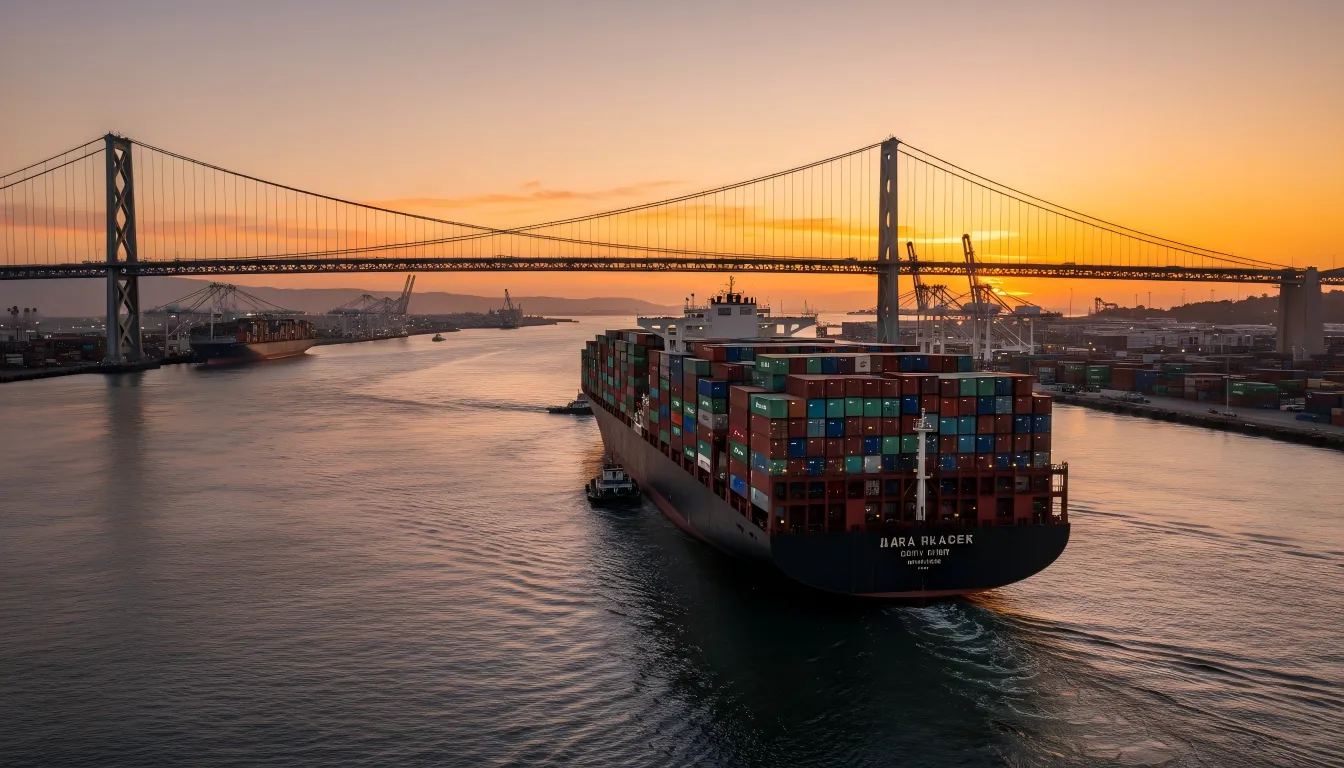
Why Choose Los Angeles as Your Destination Port?
The "San Pedro Bay" port complex, comprising the Port of Los Angeles (POLA) and the Port of Long Beach (POLB), handles over 30% of all containerized imports entering the United States. Choosing Los Angeles as your destination offers distinct strategic advantages:
- Speed: It is the closest US mainland port complex to Asia. Direct vessels to terminals like APM Terminals (Pier 400) or Fenix Marine Services can arrive in as little as 13-15 days.
- Infrastructure: The port features extensive on-dock rail and truck networks, facilitating seamless intermodal transport to the Midwest and East Coast.
- Amazon FBA Hub: Southern California is home to a high concentration of Amazon fulfillment centers (such as ONT8, LAX9, LGB8), making LA the ideal entry point for FBA sellers.
Expert Insight: While LA is fast, it can face congestion during peak seasons (August-October). We often advise clients to book space 3 weeks in advance during these windows to avoid "rolling" (cargo being bumped to the next vessel).
Shipping Modes: FCL vs. LCL
Choosing the right shipping mode is the first step in optimizing your logistics.
FCL (Full Container Load)
FCL is the standard choice for high-volume shipments. You rent the entire container, ensuring your goods are not mixed with others.
- 20ft Container: Ideal for heavy cargo (like minerals, metals) or volumes between 15-28 CBM.
- 40ft/40HQ Container: The best value for general merchandise with volumes exceeding 30 CBM.
- Pros: Faster transit (no consolidation time), higher security, and lower per-unit shipping cost.
LCL (Less than Container Load)
If you don't have enough cargo to fill a container, LCL allows you to share space with other shippers.
- Suitability: Best for smaller shipments ranging from 1 to 15 CBM.
- Pros: Cost-effective for small volumes; you only pay for the space you use.
- Cons: Slower transit due to consolidation at origin and deconsolidation at destination; higher risk of damage due to multiple handling points.
Air Freight (When Speed is Critical)
While this guide focuses on ocean freight, air freight is the alternative when time is of the essence (3-5 days transit). However, be prepared for costs that can be 5-10 times higher than ocean freight.
Major Routes and Transit Times
Transit time is a critical factor for inventory planning. The route from China to Los Angeles is one of the fastest ocean routes globally.
Key Chinese Origin Ports: Shanghai, Ningbo, Shenzhen (Yantian/Shekou), Qingdao, Xiamen.
Estimated Transit Times (Port-to-Port)
| Origin Port (China) | Destination Port (USA) | Est. Transit Time | Service Type |
|---|---|---|---|
| Shanghai | Los Angeles | 13-16 Days | Direct |
| Ningbo | Los Angeles | 14-17 Days | Direct |
| Shenzhen (Yantian) | Los Angeles | 15-18 Days | Direct |
| Qingdao | Los Angeles | 18-22 Days | Transshipment/Direct |
| Xiamen | Los Angeles | 16-19 Days | Direct |
Note: Door to Door Shipping from China to USA typically takes 25-40 days, accounting for pickup in China, export customs, ocean transit, US customs clearance, and final truck delivery.
Cost Analysis: How Much to Ship from China to LA? (2026 Estimates)
Freight rates are volatile and subject to market demand, fuel prices, and seasonal factors. Below are estimated cost ranges for 2026.
Estimated Ocean Freight Costs
| Container Type | Est. Freight Cost (USD) | Notes |
|---|---|---|
| 20ft Container | Subject to GRI & PSS | |
| 40ft / 40HQ Container | Most popular option | |
| LCL (Per CBM) | Minimums often apply |
Additional Fees to Consider (The "Hidden" Costs)
Beyond the base ocean freight, you must factor in fees specific to the LA/LB ports to calculate your true landed cost:
- Terminal Handling Charges (THC): Charged at both origin and destination.
- Customs Clearance: Brokerage fees (~
150) + Customs Bond. - PierPass (TMF): A Traffic Mitigation Fee unique to LA/LB ports (approx.
68 per 40') if cargo is moved during peak hours. - Clean Truck Fund (CTF): A fee (~$10 per TEU) applied to containers hauled by non-zero-emission trucks.
- Trucking/Drayage: Delivery from the Port of LA to your warehouse or Amazon FBA center.
- Duties & Taxes: Based on the H.S. Code of your products.
Pro Tip: To avoid unexpected costs like Demurrage & Detention (storage fees that can hit $200+/day), ensure your documents are ready before the ship arrives. AllBestShipping provides clear, all-in quotes so you know exactly what you're paying.
Step-by-Step Shipping Process
Product Sourcing & Incoterms: Decide on your trade terms. We highly recommend FOB (Free On Board), as it gives you control over the freight and costs, unlike CIF where the supplier controls the shipping (often leading to hidden destination fees).
Freight Forwarder Selection: Partner with a specialist like AllBestShipping. A China-based forwarder with US expertise can navigate both local export rules and US import regulations.
Booking & Pickup: Your forwarder contacts your supplier to arrange cargo pickup and books space on the vessel.
Export Clearance: Your goods are declared to Chinese customs.
Ocean Transit: Your container is loaded, and the vessel departs. You will receive a Bill of Lading (B/L).
Import (US) Customs:
- ISF (10+2) Filing: Must be filed at least 24 hours before the cargo is loaded on the vessel at the Chinese port. Failure to do so results in a $5,000 fine from CBP (Customs and Border Protection).
- AMS (Automated Manifest System): We file this manifest data to US Customs prior to sailing to ensure security compliance.
- Customs Entry: Your broker files the entry and pays applicable duties.
Final Delivery: Once cleared, a truck picks up the container for delivery to your final destination.
Critical Customs & Documentation
Success depends on accurate paperwork. Missing documents can lead to costly delays.
- Bill of Lading (B/L): The official contract of carriage. You may use a Master B/L (direct with carrier) or House B/L (via forwarder).
- Commercial Invoice & Packing List: Essential for customs valuation and inspection.
- ISF Filing: Importer Security Filing is unique to ocean shipments to the US. Accuracy is non-negotiable.
- AMS (Automated Manifest System): A security filing required for all goods entering the US.
- Customs Bond: You need either a Single Entry Bond (for one-time shipments) or a Continuous Bond (recommended if you import more than 3-4 times a year, cost-effective).
- H.S. Codes: Harmonized System codes determine your duty rate. Verify these carefully to avoid overpaying or penalties.
Why Choose AllBestShipping?
At AllBestShipping, we specialize in the China-to-US trade lane. Here is why thousands of businesses trust us:
- Competitive Rates: We hold direct contracts with major alliances (COSCO, MAERSK, CMA CGM), passing volume discounts to you.
- DDP Services: Our Door-to-Door Duty Paid service handles everything—shipping, customs, duties, and delivery—for a single flat price. Ideal for Amazon FBA sellers.
- Local Expertise: With teams in both China and the US, we bridge the gap, ensuring compliance on both sides of the ocean.
- 24/7 Support: We provide real-time tracking and a dedicated account manager to answer your questions instantly.
FAQ
What is the cheapest way to ship from China to LA?
For large volumes (>15 CBM), FCL ocean freight is the most confirming option. For smaller volumes (1-10 CBM), LCL is cost-effective. Avoid air freight unless necessary.
How long does customs clearance take in Los Angeles?
Standard clearance typically takes 1-3 days upon arrival. However, if your ISF was filed late or your cargo is flagged for X-ray inspection, it can take 7-10 days or longer.
Can I ship directly to Amazon FBA in Los Angeles?
Yes! AllBestShipping offers specialized FBA services. We can pick up from your supplier, label your cartons/pallets if needed, and deliver directly to Amazon centers like ONT8, LAX9, and LGB8 via our preferred carrier appointment system.
What happens if my container is held by customs?
If customs holds your container (e.g., for a "VACIS exam" or "Tail Gate exam"), you will incur exam fees and storage charges. Having a professional forwarder ensures these issues are handled quickly to minimize costs.
Conclusion
Shipping a container from China to Los Angeles is the backbone of many successful import businesses. By understanding the transit times, cost structures, and strict documentation requirements, you can turn logistics from a headache into a competitive advantage.
Don't let shipping complexities slow you down. Contact AllBestShipping today for a free, no-obligation quote and let our experts streamline your supply chain.