Container Shipping from China to Mexico: The Ultimate Guide (2026)
Container shipping from China to Mexico has become the backbone of trans-Pacific trade, fueled by the nearshoring boom and the strategic "China Plus One" shift. Whether you are importing electronics to Guadalajara or raw materials to Monterrey, understanding the nuances of this logistics corridor is essential for maintaining a competitive edge.
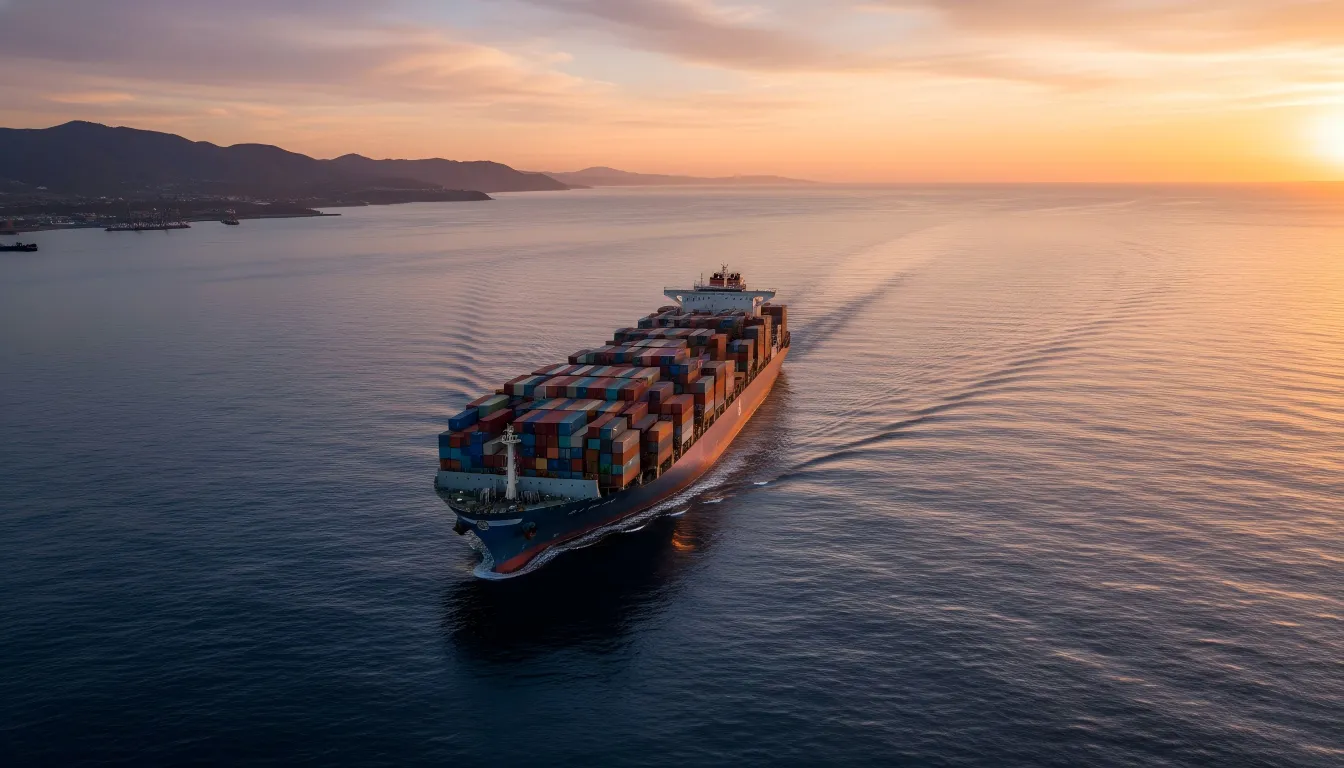
At AllBestShipping, we have witnessed a 60% surge in demand for this route over the last year, particularly with automotive components and solar panels moving to the Bajío region. However, we've also seen importers struggle with hidden port fees, complex Pedimento requirements, and unpredictable transit times. This expert guide cuts through the noise, offering you a 2026 roadmap to navigate costs, customs, and carriers efficiently.
1. Overview of Container Shipping from China to Mexico
What is Container Shipping?
Container shipping is the most standardized and efficient method of transporting goods globally. By using ISO-standard steel boxes (Intermodal Containers), your cargo can move seamlessly from a factory in Shenzhen to a warehouse in Mexico City without being handled directly. This "door-to-door" capability minimizes risk and maximizes speed.
Why Choose Container Shipping?
- Cost-Efficiency: For shipments larger than 15 CBM (cubic meters), ocean freight is significantly cheaper than air freight—often costing 80-90% less.
- Security: Sealed containers provide a high level of protection against theft and damage, which is crucial for high-value electronics and automotive parts.
- Versatility: From heavy machinery (using Open Tops) to temperature-sensitive pharmaceuticals (using Reefers), there is a container type for every commodity.
Why Mexico? The Strategic Context
Mexico is no longer just a destination; it's a global gateway.
- The Nearshoring Boom: With the USMCA (United States–Mexico–Canada Agreement), manufacturers are relocating to Mexico to access the North American market duty-free. This has led to a massive increase in raw material imports from China.
- Infrastructure Growth: Ports like Manzanillo and Lazaro Cardenas are receiving billions in investment to handle ultra-large container vessels (ULCVs) from Asia.
2. Key Shipping Routes and Major Ports
Selecting the right port pair can save you 5-7 days of transit time and hundreds of dollars in inland transport costs.
Main China Ports for Shipping to Mexico
| Region | Major Ports | Best For |
|---|---|---|
| East China | Shanghai, Ningbo | General cargo, textiles, machinery from the Yangtze River Delta. |
| South China | Shenzhen (Yantian/Shekou), Guangzhou (Nansha) | Electronics, toys, and consumer goods from the Pearl River Delta. |
| North China | Qingdao, Tianjin | Heavy industry, steel, and raw materials. |
Top Mexican Ports for Container Imports
1. Manzanillo (Colima)
- Status: The busiest port in Mexico, handling over 40% of the country's containerized cargo.
- Best For: Goods destined for Guadalajara, the Bajio region, and Mexico City.
- Pros: Most direct services from China.
- Cons: Can experience severe congestion during peak seasons.
2. Lazaro Cardenas (Michoacan)
- Status: A deep-water port capable of handling the largest vessels.
- Best For: Rail shipments (Kansas City Southern de Mexico) to Mexico City, Monterrey, and the US border (Laredo).
- Pros: Faster customs clearance and reliable rail connections.
3. Veracruz (Veracruz)
- Status: The primary port on the Gulf Coast.
- Best For: Imports destined for Eastern Mexico or transshipments to Europe/East Coast US.
- Note: Cargo from China to Veracruz typically transits via the Panama Canal, adding 7-10 days to the journey.
Expert Insight: During the peak season of late 2025, we observed average delays of 8-12 days at Manzanillo due to trucking shortages. We often advise clients with urgent cargo to consider Lazaro Cardenas as a faster alternative for rail connections to Mexico City.
3. Container Types and Shipping Methods
FCL (Full Container Load) vs. LCL (Less than Container Load)
FCL (Full Container Load): You rent the entire container. FCL Shipping is your best bet for large volumes.
- Pros: Faster (no consolidation/deconsolidation), safer (sealed at origin), and cheaper per unit for large volumes.
- When to choose: If your cargo volume is over 15 CBM or you need exclusive security.
LCL (Less than Container Load): You share space with other importers. Check our LCL Shipping Guide for more details.
- Pros: Pay only for the space you use.
- Cons: Higher risk of damage due to handling; longer transit time due to consolidation at the CFS (Container Freight Station).
- When to choose: For shipments between 1-15 CBM.
Choosing the Right Container Size
| Container Type | Internal Dimensions (L x W x H) | Max Payload | Volume Capacity | Best For |
|---|---|---|---|---|
| 20ft Standard | 5.90m x 2.35m x 2.39m | ~25,000 kg | 33 CBM | Heavy, dense cargo (minerals, metal parts, machinery). |
| 40ft Standard | 12.03m x 2.35m x 2.39m | ~27,600 kg | 67 CBM | Voluminous goods (textiles, toys, electronics). |
| 40ft High Cube | 12.03m x 2.35m x 2.69m | ~28,500 kg | 76 CBM | Light, bulky cargo (furniture, apparel). |
4. Transit Times for Container Shipping from China to Mexico
Time is money. Here are the typical port-to-port transit times for 2026.
Note that "door-to-door" will add another 5-10 days for customs and inland trucking.
| Origin Port (China) | Destination Port (Mexico) | Transit Time (Days) | Route Type |
|---|---|---|---|
| Shanghai | Manzanillo | 20 - 25 days | Direct |
| Shenzhen | Manzanillo | 19 - 24 days | Direct |
| Ningbo | Lazaro Cardenas | 22 - 27 days | Direct |
| Qingdao | Manzanillo | 24 - 29 days | Direct |
| Shanghai | Veracruz | 30 - 38 days | Via Panama Canal |
Variables That Influence Transit Time:
- Port Congestion: Especially in Manzanillo during Peak Season (Aug-Nov).
- Weather: Typhoon season in the Pacific (July-Oct) can cause vessel delays.
- Customs Inspections: "Rojo" (Red light) at customs means physical inspection, adding 2-5 days.
5. Container Shipping Costs from China to Mexico (2026 Update)
Shipping rates are volatile. While we provide estimated ranges below, freight rates change weekly based on supply and demand, fuel prices (BAF), and carrier capacity.
Average Container Shipping Rates (Estimates)
- 20ft FCL:
3,200 USD - 40ft FCL / HC:
4,800 USD - LCL:
150 USD per CBM/Ton
Cost Structure Breakdown
It's not just about the ocean freight. A complete quote from AllBestShipping includes:
Origin Charges (China):
- Pickup & Trucking:
300 - Export Customs & Documentation:
200 - Terminal Handling Charges (THC):
250
- Pickup & Trucking:
Ocean Freight: The base rate from port to port.
Destination Charges (Mexico):
- Destination THC (DTHC):
400 - Port Maneuvers & Validation: $150+
- Customs Broker Fee (Honorarios): typically 0.45% of shipment value.
- Destination THC (DTHC):
Tips to Save on Freight Charges
- Book in Advance: Secure your spot 2-3 weeks prior to CRD (Cargo Ready Date).
- Avoid Peak Season: Shipping in September-January is the most expensive due to holiday demand.
- Optimize Packaging: Use a 40ft HQ instead of two 20ft containers if possible—it’s roughly 30% cheaper per CBM.
6. Step-by-Step Container Shipping Process & Customs Clearance
Navigating Mexican customs is arguably the most challenging part of the process.
Step 1: Booking & Documentation
Accuracy is non-negotiable. You need:
- Bill of Lading (B/L): The master transport document.
- Commercial Invoice: Must clearly state values in USD.
- Packing List: Detailed breakdown of boxes, weights, and dimensions.
- Certificate of Origin: Crucial if you want to claim tariff preferences.
Step 2: Customs Clearance Procedures in Mexico (The Critical Part)
Unlike the US, Mexico requires a licensed Customs Broker (Agente Aduanal) for all commercial imports.
Padron de Importadores: You must be registered in the Official Register of Importers. If you aren't, AllBestShipping can offer a "Comercializadora" service to import on your behalf.
The "Pedimento": This is the official tax declaration document. Any error here can lead to massive fines or cargo seizure.
- Warning: Ensure your Pedimento matches your commercial invoice exactly. We've seen cases where a simple typo in the "Value" field led to a 3-week audit by the SAT (Servicio de Administración Tributaria).
NOM Standards (Normas Oficiales Mexicanas): Safety and labeling regulations.
- Specifics: Electronics often fall under NOM-001 or NOM-024. If your product requires certification, it must be tested by an accredited Mexican lab before arrival. Failure to do so is the #1 reason for cargo rejection.
Step 3: Duties & Taxes
- IGI (General Import Tax): Varies by HS Code (0% to 25%+).
- IVA (VAT): Standard 16% calculated on (CIF Value + IGI + DTA).
- DTA (Customs Processing Fee): Usually ~0.8% of the value.
7. How to Select a Reliable Freight Forwarder
Your forwarder is your strategic partner. A bad choice can result in your container being stuck in Manzanillo for weeks, racking up demurrage fees.
What to Look for:
- Local Presence: Do they have a dedicated team or partner in Mexico to handle the Agente Aduanal?
- Transparency: Do they quote "All-In" or will you be hit with surprise "Local Charges" at destination?
- Experience: Ask specifically about their experience with your commodity (e.g., "Have you shipped solar panels to Mexico before?").
- Red Flag: Be wary of forwarders offering "DDP" without providing a legal tax invoice (Factura) for the duties paid. This can prevent you from deducting these costs for tax purposes in Mexico.
Why Choose AllBestShipping?
- Expertise: With over 10 years of experience on the China-Mexico lane, we know every loophole and regulation.
- DDP Services: We offer Delivered Duty Paid options, so you don't have to worry about the Padron or Pedimento.
- Competitive Rates: Our volume contracts with carriers like COSCO, MSC, and Maersk guarantee you the best market rates.
8. Frequently Asked Questions (FAQs)
What is the cheapest way to ship from China to Mexico?
For shipments under 100kg, express couriers (DHL/FedEx) are best. For 100kg-15 CBM, LCL ocean freight is cheapest. For >15 CBM, FCL ocean freight is the most economical.
How do I pay import duties in Mexico?
Duties are paid directly to the Mexican SAT (Tax Administration Service) via your Customs Broker. If you use AllBestShipping's DDP service, we handle this payment for you.
Can I ship direct from China to an Amazon FBA warehouse in Mexico?
Yes! However, Amazon Mexico will not act as the Importer of Record. You need a forwarder like us to handle the customs clearance and deliver the goods to the FBA center with a scheduled appointment.
Is cargo insurance necessary?
Absolutely. Carrier liability is extremely limited (often $500 per container). We strongly recommend comprehensive Cargo Insurance ("All Risk") to protect your investment against rough seas or theft.
9. Conclusion
Shipping from China to Mexico offers immense opportunities for growth, but it demands a professional approach to logistics. From choosing the right container size to ensuring NOM compliance, every detail matters.
Don't let logistics become a bottleneck for your business. Contact AllBestShipping today for a free, transparent quote and let our experts streamline your supply chain from factory to warehouse.