Door to Door Shipping from China to Australia: The Ultimate Guide (2026)
Are you feeling overwhelmed by the complexities of international logistics? You are not alone. For many businesses, navigating customs regulations, arranging multiple transport legs, and handling endless documentation can be a nightmare. Door to Door Shipping from China to Australia is the stress-free solution that cuts through the chaos, handling everything from your supplier's warehouse in China directly to your doorstep in Australia.
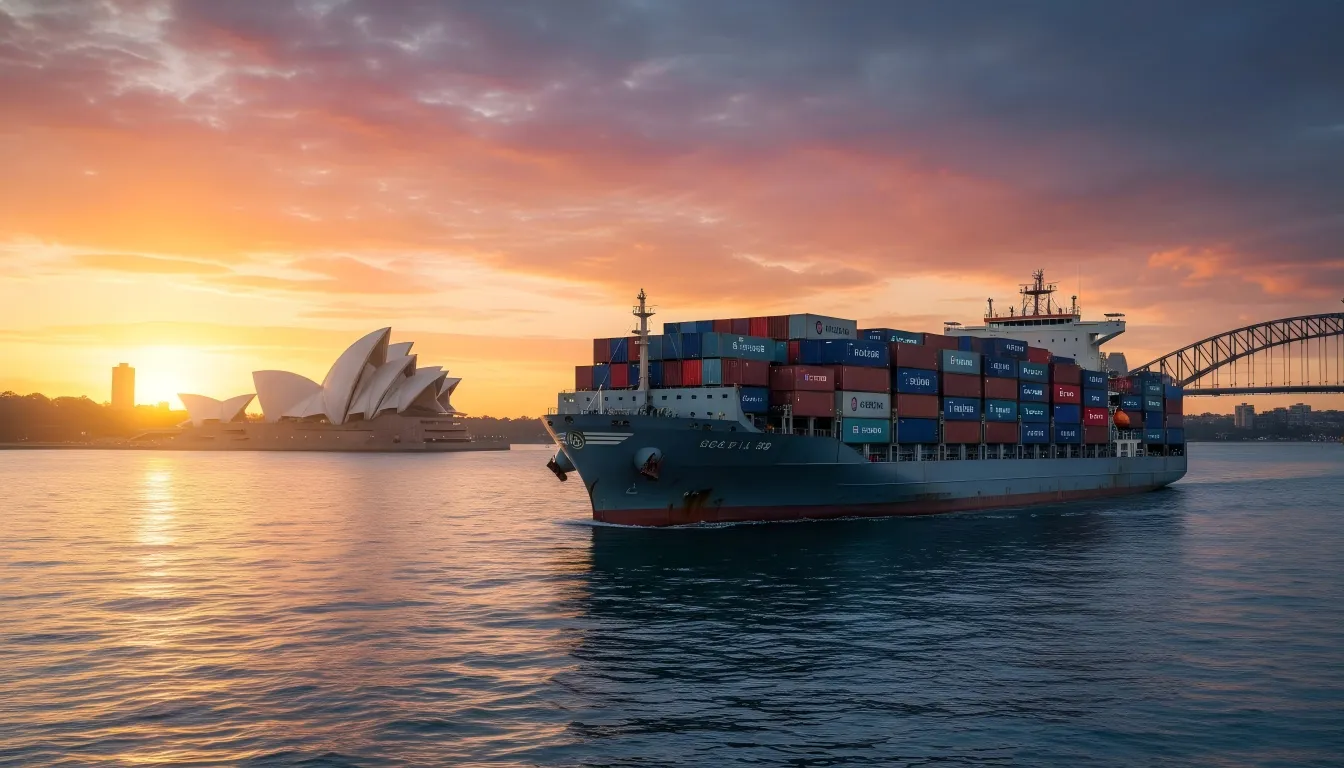
In this comprehensive guide, we will explore everything you need to know about this service—from costs and transit times to critical customs regulations like GST and biosecurity. Whether you are an e-commerce seller or an established importer, understanding these logistics can save you time, money, and headaches.
Expert Insight: At AllBestShipping, we have managed thousands of shipments on this route. We've seen firsthand how a simple error in the N10 Import Declaration can delay cargo by weeks. This guide is built on that practical experience to help you avoid common pitfalls.
What is Door to Door Shipping?
Door-to-door shipping is a comprehensive logistics service where the freight forwarder manages the entire shipping process. Unlike "Port-to-Port" shipping, where your responsibility begins once the cargo arrives at the destination port, door-to-door service means the forwarder takes care of the cargo from the moment it leaves the factory in China until it arrives at your specified address in Australia.
Key Incoterms to Know
Understanding Incoterms is crucial when booking door-to-door services:
- DDP (Delivered Duty Paid): This is the most hassle-free option for importers. The seller (or your freight forwarder) assumes all responsibilities, risks, and costs, including shipping fees, insurance, and—most importantly—import duties and taxes (GST). You simply wait for the goods to arrive.
- DDU (Delivered Duty Unpaid) / DAP (Delivered at Place): The forwarder handles the transport to your door, but you are responsible for paying any import duties and taxes upon the goods' arrival in Australia.
Why Choose Door to Door Shipping?
The Pros
- Convenience: You deal with a single point of contact. No need to coordinate with truckers, customs brokers, and shipping lines separately.
- Time-Saving: Professional forwarders streamline the process, reducing delays caused by documentation errors.
- Reduced Risk: With fewer handovers between different parties, the risk of cargo damage or loss is minimized.
- Cost Predictability: Especially with DDP, you get an all-inclusive quote, avoiding "hidden fees" at the destination port.
The Cons
- Higher Upfront Cost: On paper, it may look more expensive than port-to-port. However, when you factor in the separate costs of customs brokerage, local transport, and your own time, door-to-door is often more cost-effective.
- Less Control: You rely entirely on one provider. That's why choosing a partner with a proven track record (like us) is vital.
Shipping Methods: China to Australia
Choosing the right transport mode depends on your budget, cargo volume, and urgency.
1. Door to Door Sea Freight
Sea Freight from China to Australia is the backbone of global trade and the most economical choice for bulk shipments.
- LCL (Less than Container Load): Ideal for smaller shipments (typically 1-15 CBM) that don't fill a full container. Your goods are consolidated with others. It’s cost-effective but takes slightly longer due to consolidation/deconsolidation.
- FCL (Full Container Load): Best for high-volume shipments (over 15 CBM). You get a dedicated 20ft or 40ft container. It’s faster and safer than LCL as the container is sealed from factory to destination.
- Pro Tip: Ask your supplier for a Telex Release (Electronic Release) of the Bill of Lading instead of mailing the original OBL. This speeds up the release process at the destination port, especially for short transit times.
Transit Time: 20-40 days (e.g., Shenzhen to Sydney/Melbourne).
2. Door to Door Air Freight
When speed is a priority, air freight is the answer.
- Standard Air Freight: Suitable for shipments over 100kg. It strikes a balance between speed and cost.
- Express Courier (DHL/FedEx/UPS): The fastest option, ideal for samples, documents, or small parcels under 45kg.
Transit Time: 5-10 days for Air Freight; 3-5 days for Express.
Step-by-Step Process
Here is what the journey looks like when you book with AllBestShipping:
- Pickup: We arrange a truck to collect the goods from your supplier's factory in China.
- Export Clearance: We handle all Chinese export documentation and customs procedures.
- International Transport: Your goods are loaded onto a vessel or plane for transit to Australia.
- Import Clearance: Upon arrival, our team handles Australian Border Force (ABF) requirements, including GST and Duty payments.
- Final Delivery: The goods are transported via local truck to your warehouse, office, or Amazon FBA center in Australia.
Cost & Transit Time (2026 Estimates)
Freight rates fluctuate based on fuel prices, seasonality (like Chinese New Year), and demand. Below is an estimated comparison:
| Shipping Method | Recommended Weight/Volume | Estimated Cost | Transit Time (Days) |
|---|---|---|---|
| Express Courier | 0.5 - 20 kg | $8 - $12 / kg | 3 - 5 |
| Air Freight | > 100 kg | $4 - $8 / kg | 5 - 10 |
| Sea Freight (LCL) | 1 - 10 CBM | $100 - $200 / CBM | 25 - 40 |
| Sea Freight (FCL) | 20ft Container | $1,200 - $2,500 | 20 - 35 |
Note: These are indicative ranges. For a precise quote tailored to your cargo, contact AllBestShipping. Be aware that Quarantine Fees (if ordered by DAFF for inspection) are rarely included in standard quotes and are billed at cost.
Crucial Customs & Regulations in Australia
Australia has some of the strictest border controls in the world. Ignoring these can lead to costly delays or destruction of goods.
1. Goods and Services Tax (GST)
Most imports into Australia are subject to 10% GST. This is calculated on the CIF value (Cost of goods + Insurance + Freight) plus the Duty amount.
- Tip: If your goods are valued under AUD 1,000, they may be exempt from GST and Duty under the low-value threshold.
2. Import Duty
Duty rates vary by commodity, generally ranging from 0% to 5%. Thanks to the China-Australia Free Trade Agreement (ChAFTA), many goods made in China can enter duty-free if accompanied by a valid Certificate of Origin.
3. Biosecurity (DAFF)
The Department of Agriculture, Fisheries and Forestry (DAFF) strictly monitors imports to protect Australia's ecosystem.
- Wood Packaging: All wooden pallets or crates must be fumigated and certified according to ISPM 15 standards.
- BMSB Season (Critical): From September 1st to April 30th, the Brown Marmorated Stink Bug (BMSB) season is in effect. High-risk goods (like machinery, bricks, and certain furniture) shipping from target risk countries must undergo mandatory treatment (heat treatment or sulfuryl fluoride fumigation) before arriving in Australia. Failure to do so will result in the container being exported back to China.
- Prohibited Items: Strict controls apply to food, plant, and animal products.
How to Choose the Right Freight Forwarder?
Not all forwarders are created equal. To ensure a smooth experience, look for:
- Experience: They must have a deep understanding of Australian customs and quarantine regulations.
- Transparent Pricing: Avoid forwarders who quote low initially but hit you with "destination handling fees" later.
- End-to-End Service: Ensure they have strong networks in both China and Australia for seamless trucking and clearance.
At AllBestShipping, we specialize in the China-Australia route. We offer transparent DDP pricing, ensuring you know your total landed cost before the ship leaves the port.
FAQ
Q: What is the cheapest way to ship door to door from China to Australia?
A: Sea Freight LCL is generally the cheapest method for small to medium shipments. For large volumes, Sea Freight FCL offers the best value per unit.
Q: Can you ship to Amazon FBA Australia?
A: Yes! We frequently handle shipments to Amazon FBA centers in Sydney, Melbourne, and other cities. DDP is the preferred method for FBA to ensure Amazon doesn't reject the delivery due to unpaid taxes.
Q: How long does customs clearance take in Australia?
A: If all documentation is correct, electronic clearance can happen in 1-2 days. However, biosecurity inspections (if required) can add several days to the process.
Q: Do I need insurance?
A: While carriers have limited liability, it is highly recommended to purchase Cargo Insurance for full protection against loss or damage during transit.
Conclusion
Shipping from China to Australia doesn't have to be complicated. By choosing a reliable Door to Door service, you can bypass the logistical hurdles and focus on growing your business. Whether you need speed via air freight or cost-savings via sea freight, understanding the process and regulations is the key to success.
Ready to streamline your supply chain? Contact AllBestShipping today for a competitive, obligation-free quote on your next shipment.