Cheapest Way to Ship from China to Canada: The Ultimate Guide (2026)
Are rising shipping costs eating into your profit margins? You're not alone. In our decade of experience helping thousands of Canadian importers, we've seen that finding the balance between speed and budget is the #1 challenge when sourcing goods from Asia. Whether you are a seasoned e-commerce seller or a first-time importer, the goal is the same: reduce landed costs without sacrificing reliability.
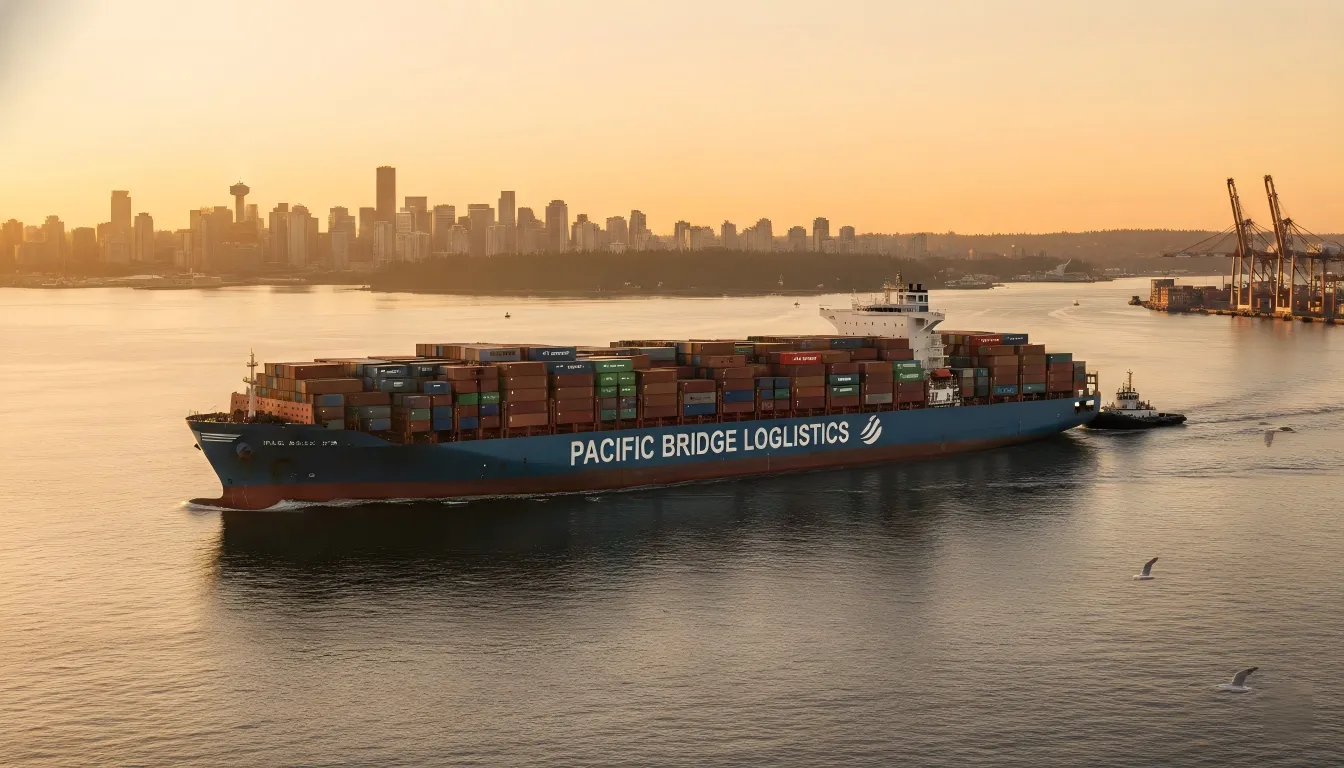
This guide breaks down every major shipping mode—Sea Freight, Air Freight, Express, and DDP—to help you find the absolute Container shipping from China to Canada in 2026. We’ll uncover hidden tips from our daily operations, explain how to avoid "surprise" fees at the border (like the new CARM regulations), and show you how to save up to 30% on your next logistics bill.
Quick Comparison: Cheapest Shipping Modes at a Glance
Before diving deep, let's look at the numbers. The "cheapest" method depends entirely on your shipment's volume and weight.
| Mode | Cost Level | Transit Time | Best For... |
|---|---|---|---|
| Sea Freight (LCL) | $ (Low) | 25-40 Days | Small-Medium Bulk (1-15 CBM) |
| Sea Freight (FCL) | $ (Lowest) | 25-40 Days | Large Volume (>15 CBM) |
| Air Freight | $$ (Medium) | 3-7 Days | Urgent Cargo (>150kg) |
| Express (Courier) | $$$ (High) | 1-5 Days | Small Parcels (<150kg) |
| DDP Shipping | $$ (Variable) | 15-30 Days | Amazon FBA / Hands-off Importers |
Verdict: Sea freight is the undisputed winner for cost efficiency on larger orders. However, for small samples or urgent restocks, Air Freight or Express might surprisingly be your best bet when you factor in local handling fees.
Sea Freight: The Absolute Cheapest Option
If your priority is saving money and time is not critical, Ocean Freight is your best friend. It accounts for over 90% of global trade for a reason: economies of scale.
LCL (Less than Container Load)
For shipments between 1 CBM and 15 CBM, LCL Shipping Guide is the standard choice. You don't need enough goods to fill a whole container; instead, your cargo is consolidated with others.
- Pros: You only pay for the space you use.
- Cons: Slightly higher risk of damage due to handling; transit time can be longer due to consolidation/deconsolidation at ports.
- Expert Insight: Be wary of "too good to be true" LCL rates. Some forwarders offer $0 ocean freight but hit you with massive "Destination Terminal Handling Charges" (DTHC) upon arrival in Canada. Always ask for an "all-in" quote.
FCL (Full Container Load)
Once your shipment volume exceeds 15 CBM, switching to FCL Shipping usually becomes cheaper per unit. You rent the entire container (20ft or 40ft), ensuring your goods are sealed from the factory to your warehouse.
- Cost Efficiency: A 40ft container costs significantly less per cubic meter than LCL.
- Security: Lower risk of damage or loss since the container is not opened until delivery.
Key Routes & Transit Times
Most shipments from China depart from major ports like Shanghai, Shenzhen, and Ningbo.
- To West Coast (Vancouver/Prince Rupert): ~18-25 days. This is the fastest and often cheapest entry point.
- To East Coast (Toronto/Montreal): ~30-45 days. Goods can go via the Panama Canal or be transported by rail from Vancouver. Check our guide on How Long to Ship from China to Canada for more details.
Pro Tip: Shipping to Vancouver (YVR) and trucking to inland destinations is often faster and cheaper than shipping by sea all the way to the East Coast via the Panama Canal. However, beware of rail congestion during peak seasons.
Air Freight vs. Express Courier: When "Cheaper" Means "Faster"
Many importers assume "Air" is always expensive. That's not always true. There is a "break-even point" where air options make sense.
The 150kg Rule
- Under 150kg: Express Couriers (like DHL, UPS, FedEx) are often cheaper. Why? Because their rates are "all-in" (excluding duties). You don't pay separate fees for export clearance, destination handling, or documentation.
- Over 150kg: Standard Air Freight becomes more cost-effective. You pay a lower per-kg rate, but remember you will need to hire a customs broker and arrange local trucking in Canada.
Express Courier (Door-to-Door)
Ideal for samples, high-value electronics, or dropshipping.
- Speed: 3-5 days.
- Convenience: Tracking is excellent, and customs clearance is often automated.
Standard Air Freight (Airport-to-Airport)
Ideal for urgent inventory restocks that are too heavy for couriers but too small for sea freight.
- Process: Arrives at YVR (Vancouver), YYZ (Toronto), or YUL (Montreal). You handle the "final mile" delivery.
- Real-World Example: We recently helped a client ship 300kg of urgent auto parts to Toronto. Express courier quoted $2,800, but standard air freight via Air Canada Cargo was only $1,900 (including local trucking).
DDP Shipping (Delivered Duty Paid): The Hassle-Free Saver
DDP (Delivered Duty Paid) is gaining massive popularity, especially among Amazon FBA sellers. In this model, your freight forwarder handles everything: pick-up, shipping, customs clearance, duty payment, and final delivery. This is essentially Door to Door Shipping from China to Canada.
Why it saves money:
- Bulk Clearance: Forwarders like AllBestShipping often clear containers in bulk, reducing administrative costs.
- No Surprise Fees: You get a single quote that includes shipping and duties. No shocking invoices from the CBSA (Canada Border Services Agency) later.
- Time: You save hours of administrative work, allowing you to focus on sales.
Important Warning: Under DDP, ensure your forwarder is legitimate. If they misdeclare the value to customs to save money, you (the beneficial owner) are still liable for penalties under CBSA rules.
Major Factors That Inflate Your Shipping Costs
To truly get the cheapest rate, you need to understand what drives the price up.
1. Chargeable Weight
Carriers charge based on the greater of Actual Weight or Volumetric Weight (Dim Weight).
- Express Formula: Length x Width x Height (cm) / 5000
- Air Freight Formula: Length x Width x Height (cm) / 6000
- Calculation: A box of pillows (50x50x50cm, 5kg) has a volumetric weight of 25kg (505050/5000). You will pay for 25kg, not 5kg!
2. Seasonality & GRI
Shipping rates fluctuate wildly throughout the year due to GRI (General Rate Increases).
- Peak Season (Aug-Oct): Rates spike as retailers stock up for the holidays.
- Chinese New Year (Jan/Feb): Factories close, and space becomes scarce/expensive.
- Cheapest Time: Usually March-June.
3. Incoterms: FOB vs. EXW
- EXW (Ex Works): You pay for everything from the factory door. It looks cheap on the product invoice, but logistics costs are higher.
- FOB (Free on Board): The supplier pays to get goods to the port and cleared for export. This is usually the cheapest and safest option for importers, as you control the freight cost from the Chinese port to Canada.
4. Canadian Customs & CARM
Don't forget the GST (5%) and potential PST/HST depending on the province. Also, check the HS Code of your product to determine the duty rate.
- CARM Alert: The CBSA Assessment and Revenue Management (CARM) system is now fully active. Importers must register on the CARM Client Portal (CCP) to clear goods. Failing to do so can lead to shipment delays and storage fees.
5 Expert Tips to Reduce Shipping Costs from China to Canada
- Consolidate Shipments: Buying from 3 different suppliers? Don't ship 3 separate LCL loads. Ask AllBestShipping to combine them into one shipment. You save on documentation, handling, and clearance fees.
- Optimize Packaging: Ask your supplier to minimize empty space. Vacuum seal soft goods or nest products to reduce Volumetric Weight.
- Plan Ahead: "Urgent" always costs more. Booking Sea Freight 4 weeks in advance secures better rates than last-minute spot bookings.
- Use a Local Forwarder: A China-based forwarder like AllBestShipping has local relationships and lower operating costs than a Canadian forwarder, often resulting in rates that are 10-20% cheaper.
- Ship to West Coast: If you have a warehouse or 3PL in the West, ship to Vancouver. It’s significantly cheaper than shipping to Toronto or Montreal.
FAQ: Cheapest Shipping from China to Canada
Q: What is the cheapest way to ship a 20kg package?
A: For 20kg, China Post or an economy service from an Express Courier (like UPS Saver) is usually cheapest. Sea freight minimums make it too expensive for this weight.
Q: How much does a 40ft container cost from China to Canada?
A: Rates change weekly. In early 2026, a 40ft container to Vancouver might range from $3,000 to $5,000, while to Toronto it could be $4,500 to $6,500. Always get a fresh quote.
Q: Is Alibaba shipping cheap?
A: Not always. Alibaba shipping is convenient but often includes hidden margins. Comparing it with a quote from a dedicated forwarder like AllBestShipping can often save you money.
Q: How can I avoid customs duties?
A: You cannot legally avoid duties. However, using the correct HS Code ensures you don't pay more than necessary. Some products may even be duty-free under trade agreements.
Conclusion
Finding the cheapest way to ship from China to Canada isn't just about picking the lowest number on a spreadsheet. It's about optimizing your Incoterms, managing Volumetric Weight, and choosing the right mode (LCL, FCL, or DDP) for your specific volume.
Don't let shipping costs eat your profits. At AllBestShipping, we specialize in helping Canadian businesses optimize their supply chain with transparent, competitive rates.
Ready to save? Contact AllBestShipping today for a free, no-obligation quote and see the difference a pro forwarder makes.