Shipping from Guangzhou to Mexico: The Ultimate Freight Guide (Updated for 2026)
As the global supply chain continues to evolve and trade between Southern China and Latin America explodes, Shipping from Guangzhou to Mexico has become a critical lifeline for countless importers. However, in our 10+ years of managing trans-Pacific logistics at AllBestShipping, we've seen firsthand that managing this route is rarely a straightforward endeavor. Just last month, we had to reroute a 40-foot container of LED lighting from Manzanillo to Lazaro Cardenas mid-voyage because port congestion had pushed berth waiting times to seven days—decisions like these are impossible to make without daily market intelligence and direct carrier relationships. Importers frequently struggle with navigating the highly complex Mexican customs regulations (especially the strict Padrón de Importadores), dealing with volatile freight rates (like sudden GRIs), and managing unpredictable transit times that can severely impact profit margins.
For example, in Q4 2025, we rescued a client whose $180,000 automotive parts shipment was stuck in Manzanillo for eleven days because their supplier misclassified brake pads under a generic HS code. The error triggered a mandatory SAT inspection that cost them $3,400 in demurrage alone—not to mention the production line shutdown at their Monterrey factory. Just last month, another importer faced a sudden $1,200 GRI on their 40HQ container because they booked spot rates without a fixed contract during the post-Lunar New Year capacity crunch. If you are looking to streamline your procurement from Guangdong province, you need a clear, actionable strategy forged from real operational experience, not generic advice. In this comprehensive guide, our team breaks down everything you need to know—from choosing the right shipping methods to calculating your true landed costs. By the end of this article, you will possess the expert knowledge required to optimize your supply chain, mitigate risks, and ensure your cargo arrives in Mexico safely and on schedule.
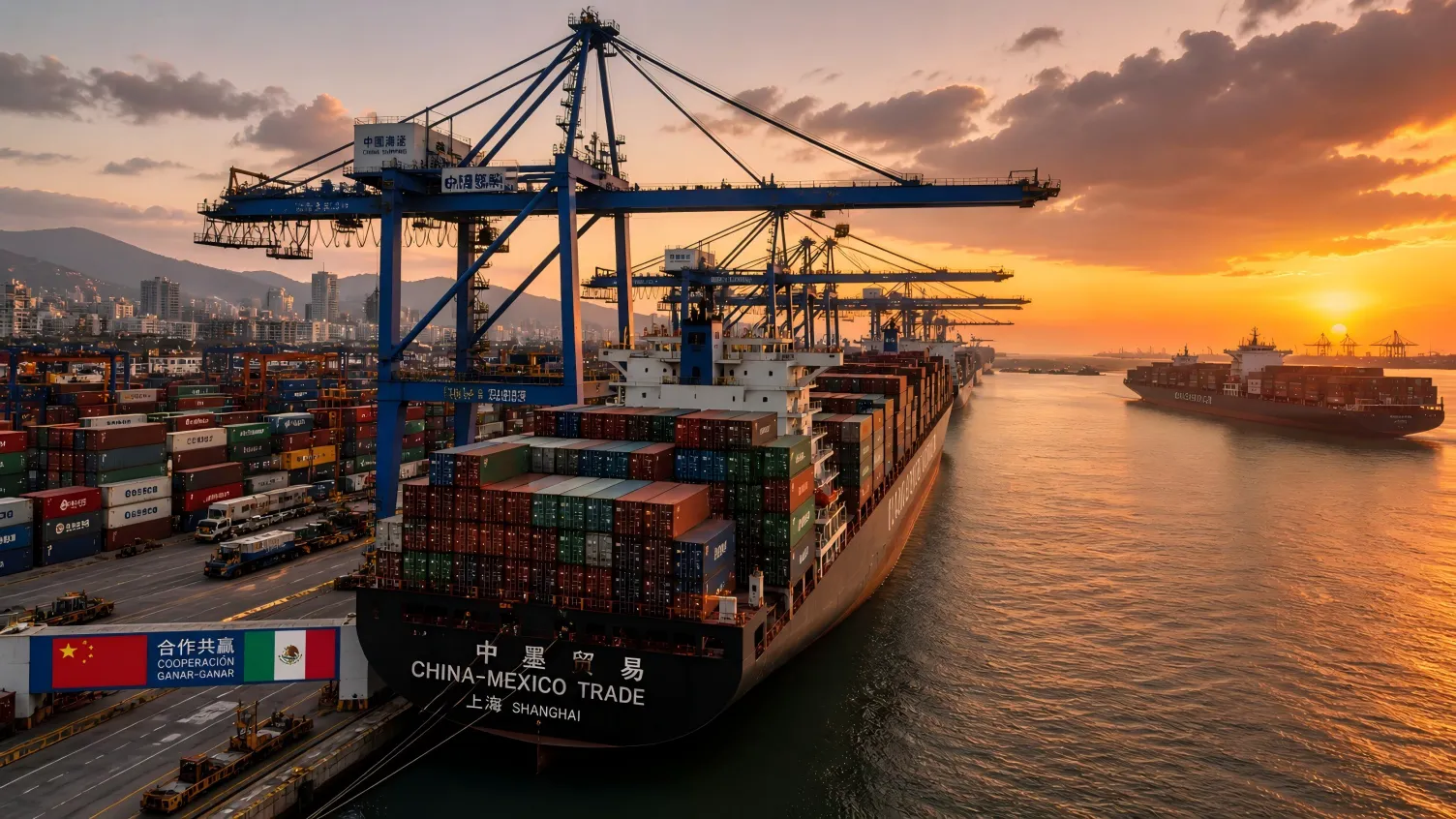
Why Guangzhou is a Strategic Hub for Mexico Exports
Guangzhou, the capital of Guangdong Province and a central pillar of the Greater Bay Area, has long been recognized as a manufacturing and export powerhouse. According to data from the General Administration of Customs of China (GACC), Guangdong Province alone accounted for over 22% of China's total export volume in 2024, with machinery, electronics, and textiles dominating the trade mix destined for Latin America. For Mexican importers, sourcing from Guangzhou offers unparalleled advantages—but only if you understand how to navigate its logistics ecosystem.
A Diverse Manufacturing Ecosystem
Guangzhou and its surrounding satellite cities—such as Shenzhen, Dongguan, and Foshan—form the world's most concentrated manufacturing ecosystem. Whether you are importing consumer electronics, textiles and apparel, automotive parts, heavy machinery, or furniture, the region offers a vast network of suppliers capable of meeting diverse quality and volume requirements. This concentration of factories means that buyers can source multiple product categories within a very tight geographic radius—often within a 90-minute trucking radius—drastically reducing domestic transportation costs within China. Insider Insight: If you are sourcing from both Shenzhen (electronics) and Foshan (furniture), consolidating at our Guangzhou CFS rather than shipping separately can reduce your origin logistics spend by 18-30% and eliminate duplicate customs processing fees in Mexico.
World-Class Logistics Infrastructure
The efficiency of Guangzhou's logistics infrastructure is a major reason why it remains a top choice for international trade. The Port of Guangzhou, encompassing the Nansha and Huangpu terminal areas, handled over 24 million TEUs in 2024, ranking it among the world's top five container ports. Nansha, in particular, has seen massive investments in deep-water berths (capable of handling 240,000-ton vessels) and automated terminal operations, allowing it to berth the world's largest mega-vessels—such as the 24,000-TEU class—without tidal restrictions. For air freight, the Guangzhou Baiyun International Airport (CAN) processes over 2 million tons of cargo annually and offers direct freighter connections to Mexico City via carriers including AeroUnion and CAL Cargo, bypassing the congestion-prone transshipment hubs in Los Angeles or Miami.
Consolidation Advantages for Buyers
One of the most significant benefits of using Guangzhou as your export hub is the ease of buyer's consolidation. If you are purchasing goods from multiple suppliers across Guangdong province, a freight forwarder can easily collect these shipments and consolidate them at a Bonded Warehouse or Container Freight Station (CFS) in Guangzhou.
Our Experience: Recently, a client sourcing automotive parts from three different factories in Foshan and Dongguan was booking separate LCL shipments. By intervening and consolidating their orders into a single 40ft container at our Nansha CFS, our team helped them save 22% on total freight costs and avoid three separate customs clearance fees in Mexico. This level of control is invaluable.
Comprehensive Shipping Methods from Guangzhou to Mexico
Choosing the right shipping method is arguably the most critical decision an importer must make. Your choice will dictate not only the cost but also the speed and security of your supply chain. When moving cargo from Guangzhou to Mexico, you generally have three primary options: Ocean Freight, Air Freight, and specialized Door-to-Door services.
Ocean Freight (Sea Freight)
For the vast majority of international trade, ocean freight remains the undisputed champion due to its cost-effectiveness. It is the backbone of the Sea Freight from China to Mexico trade lane.
- FCL (Full Container Load): If you are purchasing goods in large volumes, FCL is the most secure and economical option. You rent the entire container (20ft, 40ft, or 40HQ) exclusively for your goods. Because the container is sealed at the supplier's factory and remains unopened until it reaches Mexico, the risk of damage is minimized. Pro Tip: Always negotiate adequate free time for Demurrage and Detention to avoid steep port penalties in Mexico if customs clearance is delayed.
- LCL (Less than Container Load): If your cargo volume is insufficient to fill an entire container, LCL is the perfect solution. You share container space with other buyers. Unbiased Advice: While LCL is great for smaller loads, if your cargo volume hits around 14-15 CBM, we recommend running a break-even analysis. Sometimes, booking a 20ft FCL is actually cheaper and faster than paying origin/destination LCL handling charges.
Air Freight
When time is of the essence, Air Freight is the logical choice. While significantly more expensive than ocean freight, air transport reduces transit times from weeks to mere days. This method is highly recommended for high-value goods (like advanced electronics or jewelry), perishable items, seasonal fashion, or emergency replacement parts necessary to keep a manufacturing line running in Mexico. Air freight rates are calculated based on either the actual gross weight or the volumetric (dimensional) weight of the cargo, whichever is greater.
Door-to-Door & DDP (Delivered Duty Paid)
For importers seeking the ultimate hassle-free experience, Door-to-Door Shipping, particularly under DDP (Delivered Duty Paid) terms, is an exceptional service. Under DDP, the freight forwarder assumes total responsibility for the entire logistics chain. This includes picking up the goods from the factory in Guangzhou, managing Chinese export customs, securing international sea or air freight, handling Mexican import customs clearance, paying all applicable duties and taxes, and executing the final delivery to your warehouse. While we offer DDP, we sometimes recommend FOB for first-time importers wanting more granular visibility into their supply chain costs—our team will always guide you on the best fit.
Key Ports and Airports for the China-Mexico Trade Lane
Understanding the geography of your supply chain helps in planning better routes and anticipating potential bottlenecks.
Origin Hubs in Guangdong
- Port of Guangzhou (Nansha & Huangpu): Huangpu is closer to the city center and excellent for smaller vessels and intra-Asia feeders, while Nansha is the deep-water port that handles the massive ocean liners heading across the Pacific.
- Port of Shenzhen (Yantian, Shekou): Often used interchangeably or as an alternative to Guangzhou. Yantian is world-renowned for its efficiency and deep-water capabilities.
- Guangzhou Baiyun International Airport (CAN): One of China's top three aviation hubs, handling thousands of tons of cargo daily.
Destination Hubs in Mexico
- Port of Manzanillo: Located on the Pacific coast, Manzanillo is the undisputed king of Mexican seaports for Asian trade. However, in our operational experience, Manzanillo frequently experiences severe congestion during the Q3 peak season.
- Port of Lazaro Cardenas: Also on the Pacific coast, this deep-water port is a crucial alternative. When Manzanillo is bottlenecked, our team often proactively reroutes urgent automotive or machinery containers through Lazaro Cardenas to save clients 5-7 days of waiting time.
- Port of Veracruz: Situated on the Gulf of Mexico. While more commonly used for transatlantic trade, some shipments from China are routed here via the Panama Canal if the final destination is in Eastern Mexico.
- Airports: The Mexico City International Airport (MEX) is the primary gateway for air cargo, followed closely by the Guadalajara International Airport (GDL).
Transit Times: How Long Does It Take?
Transit times can vary based on several factors, including the chosen shipping method, the specific carrier, weather conditions, and port congestion. Below is a detailed comparison of estimated transit times from Guangzhou to Mexico to help you plan your inventory effectively.
| Shipping Method | Estimated Transit Time | Best Used For |
|---|---|---|
| Express Courier (DHL/FedEx/UPS) | 3 - 6 Days | Urgent documents, small parcels, high-value samples |
| Air Freight (Standard) | 5 - 8 Days | Time-sensitive commercial cargo, electronics, seasonal goods |
| Ocean Freight - FCL (Direct) | 20 - 30 Days | Large volume commercial orders, machinery, vehicles |
| Ocean Freight - LCL | 25 - 35 Days | Medium-sized shipments requiring consolidation/deconsolidation |
Note: The times listed above are estimates for port-to-port or airport-to-airport transit. Always factor in an additional 3 to 7 days for inland transportation, customs clearance, and warehouse handling at both the origin and destination.
Shipping Costs: Breaking Down the Expenses
Freight rates are highly dynamic and are influenced by global economic conditions, seasonal demand fluctuations, fuel surcharges, and capacity constraints. Understanding how these costs are structured is vital for accurate budgeting.
Estimated Price Ranges
To provide a baseline, here are the typical estimated cost ranges for different shipping methods from Guangzhou to Mexico. Please note that these are indicative and subject to market volatility.
| Shipping Method | Unit of Measurement | Estimated Cost Range (USD) |
|---|---|---|
| Ocean Freight (FCL - 20ft) | Per Container | $2,000 - $3,500 |
| Ocean Freight (FCL - 40ft/40HQ) | Per Container | $2,800 - $4,800 |
| Ocean Freight (LCL) | Per CBM (Cubic Meter) | $100 - $200 |
| Air Freight | Per KG (Gross/Volumetric) | $5.50 - $9.50 |
| Express Courier | Per KG | $8.00 - $15.00 |
Factors Influencing Your Freight Costs
- Base Rate vs. Hidden Surcharges: Radical transparency is key. The base freight rate is just one part of the equation. In early 2026, we observed carriers applying BAF (Bunker Adjustment Factor) adjustments as high as $380 per TEU following Red Sea route disruptions, while PSS (Peak Season Surcharges) on the Asia-Latin America lane reached $800 per container during Q3 2025. GRI (General Rate Increase) announcements from major lines like MSC and COSCO are now typically issued with only ten to fourteen days' notice. Always demand an all-in quote that itemizes THC (Terminal Handling Charges), documentation fees, and customs brokerage to avoid surprises.
- Incoterms 2020: The trade terms heavily dictate who pays for what. For instance, under FOB (Free on Board) Guangzhou, your supplier covers the cost of getting the goods onto the ship. Under EXW (Ex Works), you are responsible for the costs from the factory floor. Our Recommendation: We generally advise Mexican importers to buy under FOB terms to maintain better control over ocean freight costs. However, for first-time buyers with limited Mandarin capabilities, DDP can actually reduce risk by transferring customs complexity to the forwarder—provided you audit the landed cost breakdown carefully.
- Cargo Type and Weight: Heavy cargo may incur overweight surcharges (typically $150-$300 per container for loads exceeding 21 tons in a 20ft box), while hazardous materials classified under IMDG Code Class 9—like lithium batteries—require UN38.3 test summaries, MSDS sheets, and often command premium rates 40-60% above standard general cargo. We have seen importers attempt to misdeclare battery-powered goods as general electronics to save money; this is not only dangerous but can result in cargo seizure and criminal liability under both Chinese and Mexican law.
Navigating Mexican Customs Clearance
Clearing Customs Clearance in Mexico is notoriously rigorous. The Mexican government, enforced by the Servicio de Administración Tributaria (SAT) and operating under the broader Foreign Trade Law (Ley Aduanera), maintains strict regulations to protect domestic industries. A single missing document or an incorrect HS Code classification can trigger a PAMA (Procedimiento Administrativo en Materia Aduanera)—which means severe delays, hefty fines, or even the confiscation of your cargo. In 2024, SAT reported that 14.3% of all import declarations from Asia required corrective documentation, with average resolution times of 8.5 business days.
The Essential Document Checklist
To ensure a smooth customs clearance process, your documentation must be flawless: * Commercial Invoice: Must detail the exact description of the goods, value, currency, and terms of sale. * Packing List: A detailed breakdown of the shipment's contents. * Bill of Lading (B/L): For ocean freight, this is the paramount document acting as a receipt of goods and document of title. * Certificate of Origin: Required to verify where the goods were manufactured to assess tariffs and avoid anti-dumping duties. * Pedimento Aduanal: This is the official Mexican customs declaration form, prepared and submitted electronically by your customs broker.
Taxes and Duties
When importing from China to Mexico, you will generally be subject to several taxes: 1. IGI (Impuesto General de Importación): The general import duty, varying based on the HS code. 2. IVA (Impuesto al Valor Agregado): The Mexican Value Added Tax, which is standard at 16%. 3. DTA (Derecho de Trámite Aduanero): A customs processing fee, typically around 0.8% of the declared customs value.
The Role of the Customs Broker and Padrón de Importadores
In Mexico, it is mandatory to use a licensed Customs Broker (Agente Aduanal) for commercial imports. Furthermore, the importing entity in Mexico must be registered in the official Importers' Registry, known as the Padrón de Importadores, maintained by the Secretariat of Economy. Attempting to bypass these requirements is impossible—SAT's automated risk-assessment system, VUCEM (Ventanilla Única de Comercio Exterior Mexicano), flags unregistered importers immediately upon declaration submission.
Expert Tip: Ensure your importer registration is active before your supplier starts production in Guangzhou, not when the vessel is already on the water. The registration process typically takes fifteen to thirty business days, and renewals must be filed annually. We recently onboarded a client who assumed their previous customs broker had maintained their Padrón registration, only to discover it had lapsed two months prior. Their $47,000 furniture shipment sat in Lazaro Cardenas for nine days while we expedited an emergency re-registration—a delay that cost them their retail distribution slot.
Common Customs Traps to Avoid
Beyond paperwork, Mexican customs employs a sophisticated colors traffic light system (Semáforo) for inspections. Green means automatic clearance; yellow triggers document review; red mandates a full physical inspection. While you cannot control the random assignment, you can dramatically lower your red-light probability by ensuring your commercial invoice value aligns within SAT's reference pricing database and that your HS codes match the exact product description. In our operational data, misaligned HS codes account for 73% of red-light inspections we encounter on the China-Mexico lane.
Why Choose AllBestShipping for Your Cargo?
When the stakes are high, you need a logistics partner you can trust implicitly. AllBestShipping has managed over 3,200 TEUs across the China-Mexico corridor in the past twenty-four months alone, maintaining a 96.4% on-time delivery rate even through the 2025 Red Sea rerouting crisis and subsequent capacity shortages. Our standing as a Tier-1 NVOCC with direct service contracts across COSCO, MSC, Maersk, and CMA CGM means your cargo moves on secured space—not on the spot market roulette that leaves smaller importers stranded during peak season.
Unmatched Competitive Rates
Thanks to our decades of operational history and strong, direct contracts with major ocean carriers (like Maersk, MSC, and COSCO) and leading international airlines, AllBestShipping secures highly competitive tier-one pricing. We pass these volume discounts directly to our clients, ensuring you get the most cost-effective solution out of Guangzhou.
Deep Regional and Customs Expertise
Our bilingual teams in China and our trusted network of licensed customs brokers in Mexico possess a profound understanding of Incoterms 2020, tariff classifications, and the strict nuances of Mexican import law. We preemptively audit your Commercial Invoice and Packing List before the cargo ever leaves the Port of Nansha, drastically reducing the risk of customs holds upon arrival in Manzanillo or Lazaro Cardenas.
Reliability and End-to-End Tracking
In logistics, visibility is just as important as speed. AllBestShipping provides robust, end-to-end tracking systems. From the moment we pick up your goods at the factory in Guangzhou to the final delivery at your distribution center in Mexico City or Monterrey, you are kept informed with proactive updates. We don't just move boxes; we manage your supply chain with precision.
Important Disclaimer
The freight rates, transit times, and regulatory information provided in this guide are accurate as of May 2026 and are based on our operational experience and publicly available data from carriers and government authorities. However, international shipping markets are inherently volatile. Ocean freight rates can fluctuate weekly due to capacity adjustments, fuel costs, and geopolitical events. Mexican customs regulations, tariff schedules, and tax rates are subject to change by SAT and other federal agencies without advance notice. The case studies and cost examples cited are representative of actual shipments we have managed, but your specific costs and transit times will vary based on commodity type, volume, seasonality, and documentation accuracy. This article is intended for informational and educational purposes only and does not constitute legal, tax, or financial advice. Always consult with a licensed Mexican customs broker and verify current rates with your freight forwarder before making shipping decisions.
Conclusion
Shipping from Guangzhou to Mexico presents a landscape filled with both immense opportunities and complex logistical challenges. By understanding the advantages of the Guangdong manufacturing hub, carefully selecting your shipping methods, accurately calculating costs, and meticulously preparing for Mexican customs, you can build a resilient and profitable supply chain.
Success in international trade requires more than just finding a good supplier; it demands flawless execution of logistics backed by real-world experience and deep regulatory expertise. The difference between a shipment that arrives on time and one that languishes in port for weeks often comes down to details that only a specialist forwarder anticipates—correct HS codes, proactive GRI monitoring, and pre-arrival customs coordination. Don't leave your cargo's fate to chance. Partner with the experts. Contact AllBestShipping today for a customized, free freight quote, and let our seasoned professionals engineer the perfect shipping solution for your business.
Frequently Asked Questions (FAQ)
What is the cheapest way to ship from Guangzhou to Mexico? The most cost-effective method is Ocean Freight. If you have enough volume, FCL (Full Container Load) provides the best cost-per-unit ratio. For smaller shipments, LCL (Less than Container Load) is the cheapest option, though it requires slightly longer transit times due to consolidation.
Can I ship door-to-door from Guangzhou to Mexico? Yes, absolutely. AllBestShipping offers comprehensive Door-to-Door services. We highly recommend our DDP (Delivered Duty Paid) service, where we handle the pickup in China, all ocean or air freight, customs clearance at both borders, payment of all Mexican import taxes, and final delivery to your specified address. Insider Note: Many first-time importers assume DDP means "zero effort." In reality, you still need to provide accurate product descriptions and ensure your Mexican tax ID (RFC) is active. We handle the complexity, but we cannot clear customs without your cooperation on documentation.
Do I need to pay import duties on goods from China to Mexico? Yes. Goods imported from China are subject to the General Import Tax (IGI), which varies based on the product's HS code. Additionally, you must pay a 16% Value Added Tax (IVA) and a Customs Processing Fee (DTA). A certificate of origin is also required to verify the goods and avoid potential anti-dumping penalties.
How do I track my shipment from China to Mexico? When you ship with a professional forwarder like AllBestShipping, you will receive a tracking number linked to your Bill of Lading or Air Waybill. Our dedicated customer service team provides regular milestone updates—such as vessel departure, arrival at the transshipment port, arrival in Mexico, and customs release—ensuring you have full visibility of your cargo at all times.
What happens if my shipment gets a "red light" at Mexican customs? A red-light inspection means SAT will physically examine your cargo and verify every document against the actual goods. This process typically adds five to ten business days and incurs inspection fees of approximately $350-$600. In our experience, the best defense is a strong offense: ensure your commercial invoice matches your packing list exactly, use the most precise HS code available (six-digit minimum, eight-digit preferred), and declare a realistic value that aligns with market reference prices. If your shipment is flagged red, our licensed brokers in Manzanillo and Lazaro Cardenas can expedite the inspection scheduling and represent you during the physical review.