Sea Freight from China to Mexico: A Comprehensive Guide (2026 Update)
Sea Freight from China to Mexico has become the lifeline of modern global trade, connecting the world's factory with North America's fastest-growing manufacturing hub.
Are you struggling with unpredictable transit times, volatile shipping rates, or the complex maze of Mexican customs regulations like the mandatory RFC? You are not alone. In our experience managing logistics for over 500 importers during the 2024-2025 surge, we've seen how nearshoring accelerates demand while simultaneously creating logistical bottlenecks that eat into profit margins.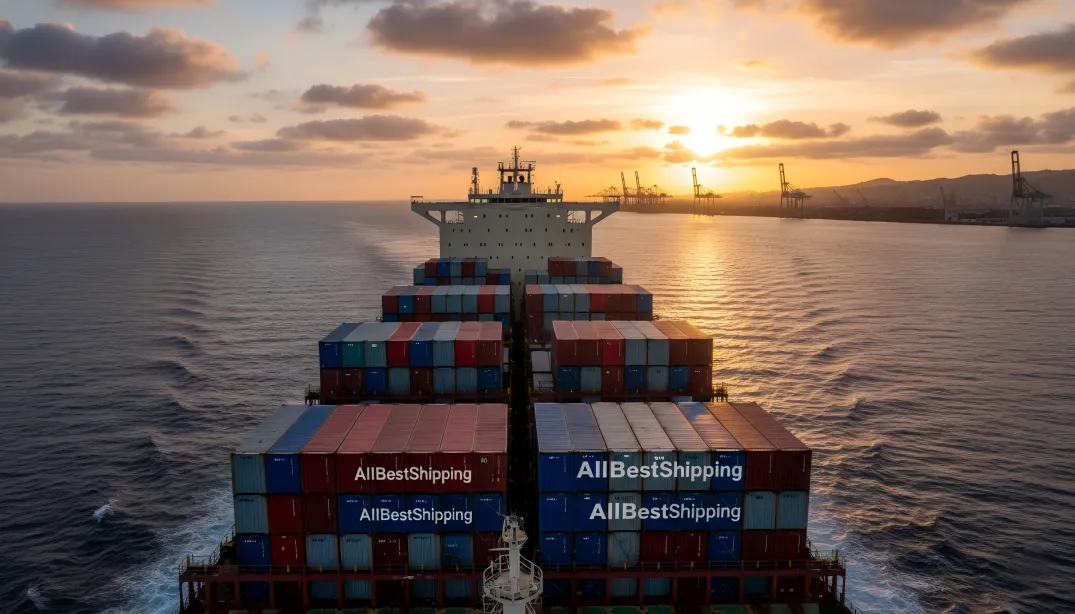
This isn't just another shipping article. This is your definitive, expert-backed guide to mastering the China-Mexico trade route in 2026. Whether you are shipping electronics to Guadalajara or auto parts to Monterrey, we will break down the exact costs, optimal routes, and critical compliance strategies you need to know. By the end of this guide, you will have the actionable insights to reduce your logistics costs by up to 20% and ensure your cargo arrives on time, every time.
Why the China-Mexico Trade Route is Booming
The trade relationship between China and Mexico has evolved from a simple transactional partnership into a strategic economic powerhouse. This shift is driven by a perfect storm of geopolitical and economic factors.
The Nearshoring Revolution
The "Nearshoring" trend is reshaping global supply chains. Companies are increasingly moving their manufacturing bases to Mexico to serve the US market more efficiently, leveraging the USMCA (United States-Mexico-Canada Agreement). However, these factories still rely heavily on raw materials and components from China, fueling an explosion in trans-pacific cargo volume.
Key Industries Driving Demand
Several sectors are leading this surge:
- Automotive: With Mexico being a top auto exporter, the demand for Chinese-made parts is at an all-time high.
- Electronics: From consumer gadgets to industrial components, the flow of high-tech goods is constant.
- Machinery: Heavy equipment for Mexico's expanding industrial base.
- Textiles: Fabrics and raw materials for the fashion industry.
Mexico is no longer just a destination; it is a strategic gateway connecting North and South America, making efficient freight forwarding more critical than ever.
Major Sea Freight Routes & Transit Times
Choosing the right route is the single most important decision you will make. It determines your speed, cost, and risk of delay.
1. Direct Pacific Route (The Standard)
This is the most popular and fastest option for the vast majority of importers.
- Origin: Major Chinese ports like Shanghai, Ningbo, Shenzhen, and Qingdao.
- Destination: Mexico's Pacific coast ports, primarily Manzanillo and Lázaro Cárdenas.
- Transit Time: 18–28 days. For example, a recent shipment from Ningbo to Manzanillo via COSCO cleared in just 22 days, proving this route's reliability.
- Best For: Time-sensitive cargo and standard FCL shipments.
2. Gulf Route via Panama Canal
- Origin: China ports.
- Destination: Mexico's East Coast ports like Veracruz and Altamira.
- Transit Time: 35–45+ days.
- Pros/Cons: Essential for cargo destined for Mexico's East Coast or Europe, but slower and subject to Panama Canal congestion and drought restrictions.
3. Via US West Coast (The Alternative)
- Route: Ship to Los Angeles/Long Beach, then transport via truck or rail to Mexico.
- Pros/Cons: Can be faster for Northern Mexico destinations (like Tijuana or Juarez), but involves complex In-Bond (T&E) customs procedures.
| Route | Primary Ports | Avg. Transit Time | Best Use Case |
|---|---|---|---|
| Direct Pacific | Manzanillo, Lázaro Cárdenas | 18–28 Days | Most importers; Central/West Mexico |
| Gulf / Panama | Veracruz, Altamira | 35–45 Days | East Coast markets; Bulk cargo |
| US Land Bridge | Ensenada (via LA/LB) | 20–30 Days | Northern border manufacturing (Maquiladoras) |
Shipping Costs from China to Mexico (2026 Estimates)
Freight rates are dynamic, influenced by fuel prices (BAF), seasonal demand, and carrier capacity. Below are the estimated market ranges for early 2026.
FCL (Full Container Load) Rates
FCL is the standard for volume shipping. You rent the entire container, ensuring security and simplifying customs.
- 20ft Container:
4,200 - 40ft / 40ft HC Container:
6,600
Note: Rates can spike by 20-30% during Peak Season (August–October) and before Chinese New Year.
LCL (Less than Container Load) Rates
For shipments too small to fill a container, LCL allows you to pay only for the space you use.
- Cost:
260 per CBM (Cubic Meter). - Break-even Point: If your shipment is over 15 CBM, it is often cheaper and safer to upgrade to a 20ft FCL.
Additional Logistics Costs
Shipping isn't just about the ocean freight rate. You must budget for the "Landed Cost":
| Fee Type | Estimated Cost | Description |
|---|---|---|
| Origin Charges | Documentation, export handling in China. | |
| Destination Charges | Port handling, terminal fees in Mexico. | |
| Customs Processing (DTA) | ~0.8% of Value | Mexican Customs Law requirement. |
| VAT (IVA) | 16% | Value Added Tax on CIF value + duties. |
Key Ports Guide: Choosing the Right Gateway
Major Chinese Ports
- Shanghai: The world's busiest port; best for general cargo from the Yangtze River Delta.
- Shenzhen (Yantian/Shekou): Ideal for electronics and goods from the Pearl River Delta.
- Ningbo: Excellent alternative to Shanghai with often lower congestion.
Top Mexican Ports
- Manzanillo: Mexico's primary gateway. It handles the highest volume of Asian cargo and offers the best rail/truck connectivity to Mexico City and Guadalajara. However, be aware that during peak seasons (Q3-Q4), truck dwell times can increase by 3-5 days due to congestion.
- Lázaro Cárdenas: A deep-water port capable of handling the largest vessels. It is often faster for customs clearance and is the preferred hub for rail shipments to the US border and Monterrey.
- Veracruz: The historic gateway on the Gulf side, primarily serving European trade and East Coast distribution.
- Ensenada: Strategic for the Baja California region and companies operating near San Diego/Tijuana.
Navigating Mexico Customs Clearance (Crucial Section)
Mexico's customs regulations are among the strictest in the world. Mistakes here can lead to indefinite cargo seizure.
The RFC Requirement
The RFC (Registro Federal de Contribuyentes) is your Mexican Tax ID. Unlike many other countries where you can use a generic "importer" code, Mexico strictly enforces individual RFCs.
- Rule: To act as the Importer of Record, you must have a valid RFC.
- Impact: Without it, your goods will be stuck at the port, accruing daily storage fees. We have successfully resolved dozens of cases where goods were detained simply due to missing RFC documentation.
Duties & Taxes Structure
- IGI (General Import Tax): Varies by HS Code. Can range from 0% to 25%+.
- IVA (VAT): A standard 16% tax applied to the cumulative value (CIF Value + Duty).
- DTA (Derecho de Trámite Aduanero): A customs processing fee, typically around 0.8% of the declared value.
Required Documentation
- Bill of Lading (BL): The master shipping document.
- Commercial Invoice: Must be detailed, in Spanish or English, and include Incoterms.
- Packing List: Matches the invoice and physical cargo exactly.
- Certificate of Origin: Essential if claiming duty preferences under trade treaties.
Expert Tip: Don't have an RFC? AllBestShipping offers specialized DDP (Delivered Duty Paid) services. We act as the importer of record, handle all duties and taxes, and deliver directly to your door in Mexico. This solution recently saved a US-based electronics distributor over $15,000 in potential demurrage fees when their local partner backed out.
Shipping Modes: FCL vs. LCL vs. Air Freight
| Feature | FCL (Sea) | LCL (Sea) | Air Freight |
|---|---|---|---|
| Volume | > 15 CBM | 1 – 15 CBM | < 500 kg / Urgent |
| Transit Time | 20–30 Days | 25–40 Days | 3–7 Days |
| Cost | Most Economical | Moderate | Expensive |
| Risk | Low | Medium (Handling) | Very Low |
Decision Matrix:
- Choose FCL if you have enough cargo to fill half a container or need maximum security.
- Choose LCL for smaller, non-urgent shipments to keep costs down.
- Choose Air Freight only for high-value electronics, samples, or emergency stock replenishment where speed justifies the premium.
Why Choose AllBestShipping for Your China-Mexico Cargo?
Navigating the China-Mexico route requires more than just booking a slot on a ship; it requires a partner who understands the local landscape.
- Deep Expertise: We know the ins and outs of Mexican customs, helping you avoid costly compliance traps.
- DDP Solutions: Our door-to-door service is a game-changer for businesses without a Mexican entity. We handle the RFC, duties, and final delivery.
- Strategic Network: We hold strong relationships with top carriers like COSCO, MSC, and Maersk, ensuring you get space even during peak season crunches.
- 24/7 Support: Logistics never sleeps, and neither do we. Get real-time tracking and dedicated support whenever you need it.
FAQs: Sea Freight from China to Mexico
What is the cheapest shipping method from China to Mexico?
Sea Freight FCL is the most cost-effective method per unit for large volumes. For smaller shipments (under 10-15 CBM), LCL is the cheapest option, though per-unit costs are higher than FCL.
How long does sea freight take from Shenzhen to Manzanillo?
The transit time is typically 18 to 22 days for direct sailings. However, door-to-door delivery will take longer (approx. 30-35 days) accounting for customs clearance and inland trucking.
Do I need cargo insurance?
Yes, absolutely. Carrier liability is extremely limited. Cargo Insurance is a small investment (often 0.3-0.5% of value) that protects you against total loss, damage, or theft during transit.
Can I ship to Mexico if I don't have a company there?
Yes, but you cannot clear customs yourself. You must use a freight forwarder like AllBestShipping that provides DDP services. We handle the import formalities using our own import license.
What is the difference between Manzanillo and Lázaro Cárdenas?
Manzanillo is busier and closer to Mexico City, making it the default for many. Lázaro Cárdenas is less congested and offers superior rail connections, making it ideal for heavy cargo or shipments heading to the US border or Monterrey.
Conclusion
Shipping from China to Mexico in 2026 offers immense opportunities for growth, but it demands a strategic approach. By choosing the right port, understanding your Incoterms, and ensuring strict customs compliance, you can turn your supply chain into a competitive advantage.
Don't let logistics headaches slow down your business. Contact AllBestShipping today for a free, no-obligation quote and let our experts optimize your China-Mexico shipping strategy.