Cheapest Way to Ship from China to Mexico: 2026 Complete Cost & Time Guide
Are you looking for the cheapest way to ship from China to Mexico? Over the past decade of managing Trans-Pacific freight at AllBestShipping, our team has seen firsthand how the nearshoring boom and the USMCA trade agreement have transformed Mexico into North America's premier manufacturing and e-commerce hub. We've helped hundreds of clients navigate the notoriously complex Mexican customs system, rescuing shipments from unexpected port storage fees (demurrage) and cargo detention. Whether you are an e-commerce seller importing consumer goods or an industrial manufacturer sourcing raw materials, reducing your logistics costs is the absolute key to protecting your profit margins. Based on our real-world operations in 2026, this comprehensive guide covers the cheapest shipping methods, current transit times, customs clearance essentials like the Pedimento, and insider tips you won't find anywhere else. Let's dive in.
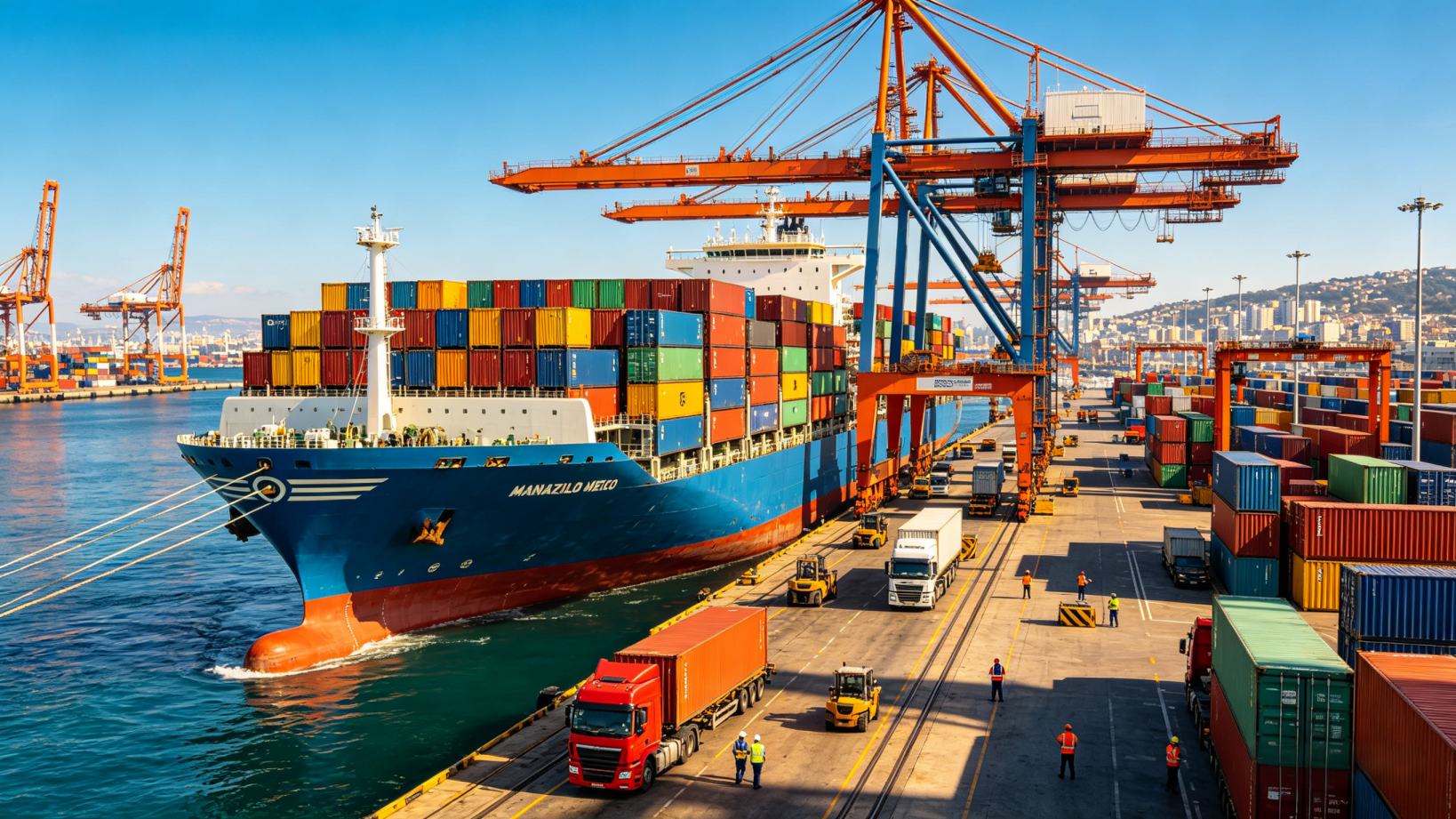
The Nearshoring Boom: Why Mexico is the New Global Hub
Before diving into the logistics details, it is crucial to understand why shipping volumes from China to Mexico have skyrocketed in recent years. The global supply chain has experienced a massive shift towards "nearshoring"—the practice of transferring business operations to a nearby country rather than a distant one. For companies targeting the lucrative North American market, Mexico offers the perfect combination of geographic proximity, favorable trade agreements (like the USMCA), and a highly skilled workforce.
Furthermore, Mexico's IMMEX (Manufacturing, Maquila and Export Service Industry) program allows foreign manufacturers to temporarily import raw materials and components from China tax-free, provided the finished goods are exported (usually to the United States or Canada). This has led to a massive influx of Chinese automotive parts, electronics components, and textiles into Mexican ports. Understanding this macro-economic trend is vital because it directly impacts port congestion, freight rates, and the availability of shipping space on the trans-Pacific route.
What is the Cheapest Way to Ship from China to Mexico?
When it comes to international logistics, the answer to cost-efficiency usually lies on the ocean. Without a doubt, Sea Freight is the cheapest way to ship from China to Mexico, especially for bulk orders, heavy machinery, or large volumes of consumer goods. However, the exact "cheapest" method depends entirely on the size, weight, and urgency of your cargo.
For shipments that exceed 15 cubic meters (CBM), utilizing a Full Container Load (FCL) offers the lowest cost per unit of transportation. You are renting the entire container, which maximizes your shipping economy. On the other hand, if your shipment falls between 1 CBM and 15 CBM, Less than Container Load (LCL) is your most budget-friendly option. With LCL, you share container space with other importers and only pay for the specific volume your goods occupy.
While sea freight is the undisputed champion of cost savings, it is important to know when to avoid it. If your supply chain demands a transit time of under 15 days due to inventory shortages, sea freight will not meet your needs. In our experience, many importers mistakenly book sea freight for urgent Q4 holiday restocks, only to face massive stockouts when vessels queue outside Manzanillo for days. In these scenarios, you must pivot to air freight or express courier services. We always advise our clients to do a "landed cost vs. stockout cost" analysis: paying an extra $3,000 for air freight is often cheaper than losing $10,000 in sales and e-commerce ranking drops. Balancing cost against transit time is the core of effective freight forwarding.
Comprehensive Breakdown of Shipping Methods
To make an informed decision, you need a deep understanding of the available shipping channels from China to Mexico. Each method serves a specific business need, and choosing the right one can save you thousands of dollars annually.
Sea Freight (The Most Economical Option)
As established, sea freight dominates the China-Mexico trade lane. The vast majority of goods, from automotive parts to textiles, cross the Pacific Ocean via massive cargo vessels.
FCL (Full Container Load) FCL is the standard for large-scale importers. When you book an FCL shipment, you have exclusive use of a 20-foot (20GP), 40-foot (40GP), or 40-foot High Cube (40HQ) container. The primary advantage of FCL is the flat-rate pricing structure. Once you fill the container past a certain threshold, your cost per item drops dramatically. Additionally, because the container is sealed at the factory in China and not opened until it reaches your warehouse in Mexico, there is a significantly lower risk of damage or theft.
LCL (Less than Container Load) LCL is the perfect stepping stone for small to medium-sized enterprises (SMEs) or businesses testing a new product line. Instead of paying for an entire container that you cannot fill, you pay a rate per CBM. Freight forwarders will consolidate your goods with those of other buyers at a warehouse in China (like Shenzhen or Shanghai) and de-consolidate them upon arrival in Mexico. While cheaper for small loads, LCL typically takes a few days longer than FCL due to the consolidation process.
Top Export Hubs in China and Destination Ports in Mexico
The route your cargo takes will significantly impact both your shipping cost and the total transit time. China boasts some of the world's busiest ports, and choosing the right departure point is the first step in optimizing your logistics.
Major Chinese Departure Ports: - Shenzhen and Guangzhou: Ideal for electronics, consumer goods, and textiles manufactured in the Pearl River Delta. - Ningbo and Shanghai: The primary gateways for heavy machinery, automotive components, and goods manufactured in the Yangtze River Delta. - Qingdao and Tianjin: Best for industrial materials and agricultural products from Northern China.
Major Mexican Arrival Ports: - Manzanillo (Pacific Coast): Handling over 50% of Mexico's ocean freight, Manzanillo is the busiest port and the primary gateway for goods arriving from Asia. It offers the fastest transit times from China but is prone to severe congestion during peak seasons. - Lázaro Cárdenas (Pacific Coast): The second most important Pacific port. It is highly favored by the automotive industry and boasts excellent rail connectivity directly to the US border, bypassing the heavily congested trucking routes. - Veracruz and Altamira (Gulf Coast): If your final destination is in eastern or central Mexico, it might make sense to route cargo through the Panama Canal to these Gulf ports. This route takes longer (often 30-40 days) but can save substantially on domestic inland trucking costs within Mexico.
Air Freight (The Balanced Option)
When sea freight is too slow but express couriers are too expensive, standard commercial air freight hits the sweet spot. Air freight is typically used for shipments weighing between 100kg and 500kg.
With air freight, your goods are loaded onto commercial passenger airlines or dedicated cargo planes. This method drastically reduces the transit time from weeks to mere days. It is highly recommended for electronics, fashion apparel with short life cycles, medical supplies, and urgent inventory restocks.
Keep in mind that air freight pricing is calculated based on either the actual weight or the volumetric weight (dimensional weight) of your cargo—whichever is greater. It is crucial to package your goods as densely as possible to avoid paying high volumetric charges. Major arrival airports include Mexico City International Airport (MEX), Guadalajara (GDL), and Monterrey (MTY).
Express Courier (The Premium Speed)
For the absolute fastest delivery, you will rely on express courier services like DHL, FedEx, and UPS. These companies provide a seamless, door-to-door shipping service that handles everything from pickup in China to final delivery in Mexico, including expedited customs clearance.
Express shipping is ideal for product samples, urgent documents, high-value small electronics, or any parcel weighing under 100kg. The transit time is incredibly fast, often arriving within 2 to 5 business days. However, this speed comes at a premium price. It is the most expensive shipping method per kilogram, so it should be reserved strictly for urgent or high-margin items.
You may be interested in the following related shipping routes:
Shipping Cost & Transit Time Comparison (2026 Estimates)
To help you visualize your options, below is a comparative table of estimated shipping costs and transit times from China to Mexico for the year 2026. Please note that global freight rates are subject to change based on fuel surcharges, peak season demand, and carrier capacity.
| Shipping Method | Typical Cost Range | Average Transit Time | Best For |
|---|---|---|---|
| Sea Freight (FCL 40HQ) | $2,200 – $3,500 per container | 18 – 35 days | Bulk cargo, heavy machinery, stable inventory |
| Sea Freight (LCL) | $35 – $120 per CBM | 25 – 40 days | Small shipments, supplier consolidation, trial orders |
| Air Freight | $5.00 – $9.00 per kg | 3 – 8 days | High-value goods, medium-urgency restocks (100-500kg) |
| Express Courier | $8.00 – $15.00 per kg | 2 – 5 days | Product samples, lightweight parcels, extreme urgency |
Pro Tip: Always request quotes from your freight forwarder using specific Incoterms like FOB (Free on Board) or EXW (Ex Works) so you understand exactly what transportation legs are included in the price.
Navigating Mexican Customs: Avoid Costly Delays
Mexican customs, operated by the SAT (Servicio de Administración Tributaria), is notorious for its strict regulations and bureaucratic processes. Unlike some Western countries where minor paperwork errors might result in a simple warning, Mexican customs operates on a zero-tolerance policy. They will readily detain cargo, apply heavy fines, or even seize goods for non-compliance. From our daily interactions with customs brokers in Manzanillo and Lázaro Cárdenas, we know that preparation is your only defense.
Essential Shipping Documents Explained
Before your cargo even leaves China, you must ensure your paperwork is flawless. Mexican customs officials cross-reference every data point. The essential documents include: - Commercial Invoice: Must clearly state the value of the goods, the Incoterm used, and the detailed description of the products. Under-declaring the value of goods is a serious offense in Mexico and will result in confiscation. - Packing List: Must match the Commercial Invoice exactly in terms of quantities and weights. Discrepancies between the packing list and the physical cargo will trigger a red channel inspection. - Bill of Lading (B/L): The official contract of carriage between the shipper and the carrier. - Certificate of Origin: Required to prove where the goods were manufactured, which directly dictates the import duties applied.
The Pedimento System
The cornerstone of Mexican importing is the Pedimento. This is an official customs declaration form that must be completed by a licensed Mexican customs broker (Agente Aduanal). The Pedimento proves that all taxes and duties have been paid and that the goods have legally entered the country. You cannot clear commercial goods through Mexican customs without this document.
RFC and Importer of Record
To import goods into Mexico under your own company name, you must have a Mexican Tax ID, known as an RFC (Registro Federal de Contribuyentes), and be registered in the Official Register of Importers (Padrón de Importadores). If you do not have a registered business entity in Mexico, you will need to use a third-party trading company (Comercializadora) or utilize a DDP shipping service.
NOMs (Normas Oficiales Mexicanas)
Mexico strictly enforces its national safety and labeling standards, known as NOMs. Products like electronics, textiles, toys, and household appliances must comply with specific NOM certifications before they can cross the border. Additionally, all commercial labeling must be accurately translated into Spanish.
Our Experience: In Q1 2026 alone, our customs team rescued multiple client shipments that were detained at the Port of Manzanillo simply because the Spanish NOM labels were missing specific importer RFC details. Failing to attach the correct Spanish NOM labels at the factory in China is the #1 reason for costly delays. We strictly require our clients to send us a photo of the labeled carton before it leaves the supplier's warehouse in Shenzhen.
Green vs. Red Channel
When your cargo arrives, the SAT uses an automated selection mechanism to determine if your goods will be inspected. - Green Channel (Desaduanamiento Libre): Your documents are accepted, and the cargo is cleared automatically without physical inspection. - Red Channel (Reconocimiento Aduanero): Your cargo is selected for a manual, physical inspection. Customs officers will open the container, verify the quantities, check the HS codes, and ensure all NOMs and labels match the Commercial Invoice and Packing List. Discrepancies here lead to immediate delays.
DDP vs. DDU: Which is Better for Your Budget?
When negotiating with suppliers or freight forwarders, you will often choose between DDP (Delivered Duty Paid) and DDU (Delivered Duty Unpaid, formally known as DAP). Understanding the difference is vital for your budget.
DDP (Delivered Duty Paid) With DDP, the freight forwarder or supplier handles the entire process from the factory in China to your door in Mexico. This includes all freight charges, Mexican customs clearance, import duties, and taxes (IVA). - Pros: It offers a predictable, all-inclusive landed cost. You do not need an RFC, a Mexican entity, or a local customs broker. It is completely hassle-free. - Cons: The upfront cost is higher, as the forwarder builds in a margin to cover the risk of fluctuating taxes. - Best for: E-commerce sellers, SMEs, and foreign businesses without a physical presence in Mexico.
DDU (Delivered Duty Unpaid) With DDU, the seller pays for the transportation to the destination in Mexico, but the buyer is entirely responsible for paying the import duties, VAT, and managing the customs clearance process. - Pros: It appears cheaper upfront, and you have complete control over the customs valuation and the clearance process. - Cons: You must have a Mexican RFC, hire your own customs broker, and be prepared for unexpected border fees. - Best for: Established Mexican corporations and highly experienced importers who have their own in-house logistics and customs teams.
Pro Tips to Reduce Costs and Prevent Port Detention
To truly achieve the cheapest way to ship from China to Mexico, you must optimize your operations beyond simply choosing sea freight. Here are expert tips to streamline your supply chain:
- Consolidate Your Shipments: If you are buying from multiple suppliers in China, do not ship their goods separately. Use a freight forwarder's warehouse in Shenzhen or Guangzhou to consolidate multiple small orders into one larger LCL or FCL shipment. This drastically reduces your per-unit shipping cost and minimizes customs entry fees.
- Beware of Hidden Port Fees (Demurrage & Detention): Many first-time importers only calculate freight and duties, forgetting about Demurrage and Detention (D&D). If your Pedimento is delayed because of a paperwork error, the port of Manzanillo typically only gives you 7 free days of storage. After that, you could be paying upwards of $100-$150 per day per container. Always factor in a contingency budget and clear your documents before the vessel arrives.
- Ensure 100% Perfect Documentation: As mentioned, the Commercial Invoice, Packing List, and Bill of Lading must match flawlessly. If the packing list says 100 cartons and the invoice says 101, Mexican customs will halt the shipment. Ensure HS codes are accurate to avoid tax penalties.
- Plan for Peak Seasons: The logistics industry experiences severe bottlenecks leading up to the Chinese New Year (January/February) and the Q4 holiday rush (September/October). During these peak seasons, freight rates skyrocket, and the Port of Manzanillo experiences massive congestion. Ship your inventory 4 to 6 weeks earlier than usual to secure lower rates and avoid delays.
- Pre-Apply Spanish Labels: Do not wait until your goods arrive in Mexico to worry about labeling. Work with your Chinese supplier to ensure that all required Spanish labels, importer details, and NOM information are printed and attached to the products and cartons before they leave the factory.
- Purchase Cargo Insurance: While it seems like an extra cost, CIF (Cost, Insurance, and Freight) or standalone cargo insurance is non-negotiable. The Pacific Ocean can be rough, and port handling can be unpredictable. Insuring your cargo protects your business from catastrophic financial loss in the event of damage or a lost container.
Why Choose AllBestShipping for Your Mexico Shipments
Finding the cheapest shipping rate is important, but finding a reliable logistics partner is essential. At AllBestShipping (https://allbestshipping.com/), we specialize in the China-to-Mexico trade lane, offering unparalleled expertise and competitive pricing.
Our deep volume commitments with major ocean carriers and airlines allow us to provide you with the most cost-effective FCL, LCL, and air freight rates on the market. More importantly, our dedicated team of bilingual logistics experts understands the intricacies of the Mexican SAT and the Pedimento system. We offer seamless DDP solutions, meaning we handle the customs headaches, the paperwork, and the final mile delivery, allowing you to focus purely on growing your business.
Don't let complex logistics eat into your profit margins. Contact AllBestShipping today for a free, customized quote and discover how we can optimize your supply chain.
FAQs (Frequently Asked Questions)
Q1: What is the absolute cheapest way to ship from China to Mexico? A: Sea freight is the cheapest method. For volumes over 15 CBM, FCL (Full Container Load) is the most economical. For smaller shipments between 1-15 CBM, LCL (Less than Container Load) is the cheapest option.
Q2: How long does sea freight take from China to Mexico? A: A direct FCL shipment from a major Chinese port to Mexico's Pacific ports (like Manzanillo) typically takes 18 to 25 days. LCL shipments take slightly longer, around 25 to 40 days, due to consolidation. Shipments routed to Gulf ports (like Veracruz) take 30 to 40 days.
Q3: Do I need a customs broker to import from China to Mexico? A: Yes, if you are importing commercial goods under standard terms like FOB or EXW, Mexican law requires you to use a licensed customs broker to file the Pedimento. However, if you use a DDP shipping service, the freight forwarder's broker will handle this on your behalf.
Q4: What are the main ports of entry in Mexico for Chinese goods? A: The vast majority of sea freight from China to Mexico enters through the Pacific ports of Manzanillo and Lázaro Cárdenas. For air freight, the primary entry point is the Mexico City International Airport (MEX).
Q5: How are import duties calculated in Mexico? A: Import duties are calculated based on the CIF value (Cost of the goods + Insurance + Freight). The specific duty rate depends on the HS code of your product. Additionally, a standard 16% Value Added Tax (IVA) is applied to the sum of the CIF value and the import duties. There is also a small Customs Processing Fee (DTA) applied to every shipment.