How Much Does it Cost to Ship from China to South Africa
As an importer, one of the most frustrating challenges you face is navigating hidden fees, unexpected surcharges, and wildly fluctuating freight rates. If you are constantly asking yourself, "how much does it cost to ship from China to South Africa," you are not alone. Calculating accurate logistics expenses is critical to maintaining your profit margins and ensuring a smooth supply chain.
In this comprehensive guide, we will break down the true costs of importing goods when Shipping From China To South Africa. Drawing on over a decade of real-world freight forwarding expertise, our team provides you with a clear cost breakdown, estimated transit times, and actionable insider tips. Whether you are shipping a small parcel of electronics or multiple containers of industrial machinery, understanding these nuances will help you make informed decisions, ultimately leading you to find the Cheapest Way to Ship from China to South Africa.
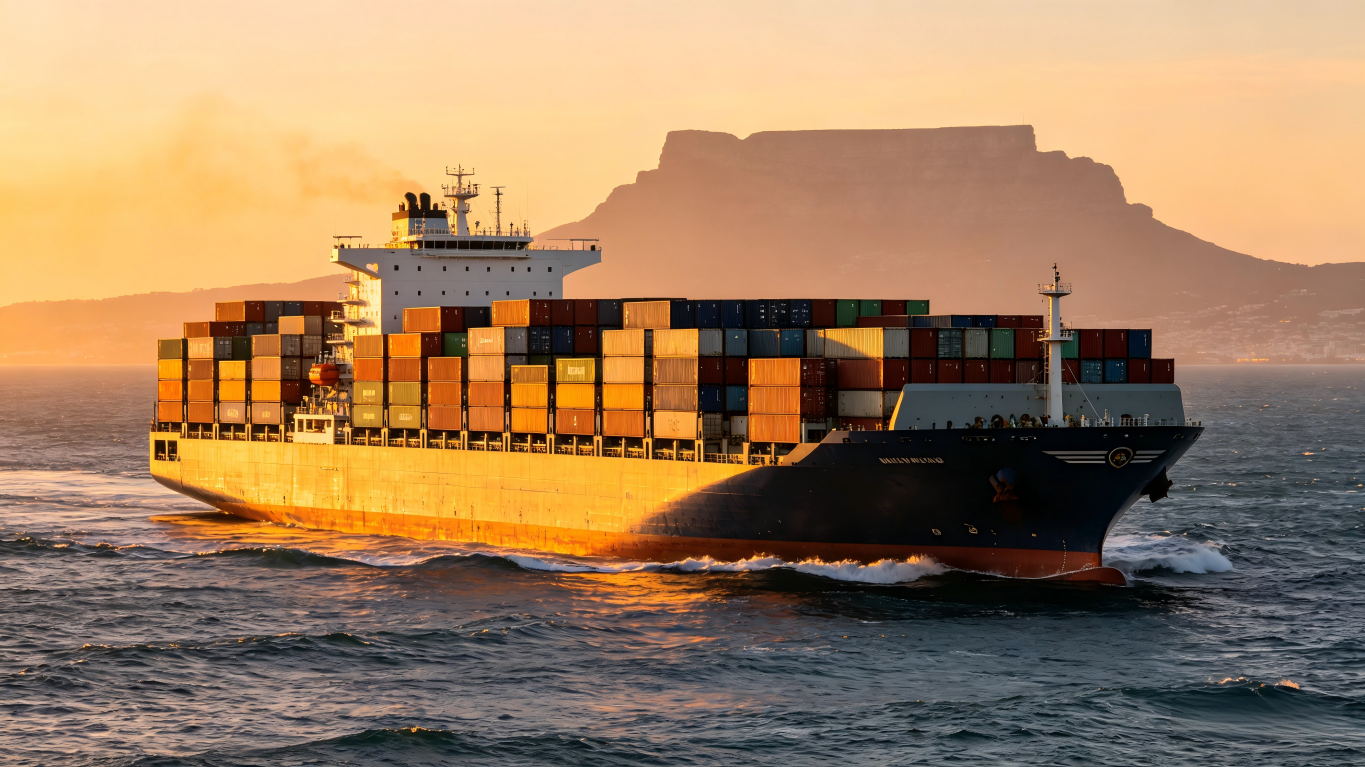
Main Shipping Methods: Finding the Right Balance
Before diving into the exact numbers, it is essential to understand the primary modes of transport available to you. The method you select will serve as the foundation for your overall shipping costs and delivery timeline. Each transport mode caters to different types of cargo, urgency levels, and budget constraints.
Sea Freight: The Backbone of International Trade
For the vast majority of importers, Sea Freight from China to South Africa is the most practical and cost-effective solution. It is designed for large, heavy, or bulky shipments. When shipping by sea, you have two primary options: - FCL (Full Container Load): This involves renting an entire 20-foot or 40-foot container. FCL is ideal if your cargo volume exceeds 15 cubic meters (CBM). Because the container is sealed at the factory in China and only opened upon arrival in South Africa, it minimizes the risk of damage. However, you must be aware of potential Demurrage and Detention charges if your container sits at the Port of Durban longer than the allocated free days due to Transnet delays. - LCL (Less than Container Load): If your shipment is too small to justify a full container, LCL allows you to share container space with other importers. You only pay for the exact volume your goods occupy. While the upfront cost is lower, the per-unit cost is higher than FCL. Real-world tip: LCL shipments often face an additional 3-5 days of transit time because the container must be deconsolidated at a Container Freight Station (CFS) before final delivery.
Air Freight: Speed and Reliability
When time is of the essence, air freight is the go-to solution. It is significantly faster than sea freight, usually delivering goods within a week. However, this speed comes at a premium price. Air freight is best suited for high-value, lightweight, or perishable goods—such as high-end electronics, fashion apparel, or urgent medical supplies. Because airlines have strict weight and volume limits, costs can escalate rapidly for heavy or bulky items.
Express Courier: Door-to-Door Convenience
For small parcels, document shipments, or highly urgent product samples (typically under 100 kg), express courier services like DHL, FedEx, and UPS offer unparalleled convenience. These services provide an integrated door-to-door solution, often handling customs clearance on your behalf. While express couriers charge the highest rates per kilogram, their streamlined process and rapid delivery (often within 3 to 6 days) make them invaluable for specific business needs.
Breakdown of Shipping Costs from China to South Africa
Now, let us address the core question: what are the actual numbers? It is important to note that global freight rates are dynamic. They fluctuate based on market demand, carrier capacity, fuel prices, and geopolitical events (such as Red Sea detours impacting vessel rotations). The figures provided below are industry averages based on Q1 2026 data, designed to give you a solid baseline for your budgeting.
Transparency Note: These rates are base ocean/air freight costs. They do not include destination port charges or local customs duties. For real-time, highly competitive quotes tailored to your specific shipment, we highly recommend checking directly with AllBestShipping.
| Shipping Method | Estimated Cost | Best Suited For |
|---|---|---|
| 20ft FCL (Sea Freight) | $2,200 – $3,200 | Medium bulk shipments, industrial goods, furniture |
| 40ft FCL (Sea Freight) | $3,800 – $5,200 | Large volume shipments, high-quantity consumer goods |
| LCL (Sea Freight) | $120 – $180 per CBM | Small cargo between 1 CBM and 15 CBM |
| Air Freight | $6.00 – $10.00 per kg | Urgent goods, electronics, high-value items |
| Express Courier | $15.00 – $25.00 per kg | Very small parcels, urgent samples, documents |
Analyzing the Cost Structures
When you review these numbers, the economies of scale become immediately apparent. For example, while a 40-foot container costs more than a 20-foot container outright, it offers double the capacity for only a fraction of the additional cost. Therefore, if you can scale your orders, FCL becomes the most economical choice per unit.
Conversely, if you are shipping exactly 2 CBM of goods, LCL at roughly $300 is vastly cheaper than renting an entire 20-foot container for $2,500. Air freight and express couriers operate on a completely different scale, prioritizing speed over volume. Shipping 200 kg via air might cost you $1,600, but the goods will arrive in days rather than weeks, which could be critical for meeting a seasonal retail launch.
Key Factors Influencing Your Shipping Costs
The base rates listed in the table above do not tell the whole story. Several variable factors can significantly influence your final freight invoice. Understanding these variables allows you to anticipate cost changes and plan your supply chain more effectively.
Cargo Weight and Volume (Chargeable Weight)
In air freight and express shipping, carriers use a metric known as "chargeable weight" to determine your cost. Chargeable weight is calculated by comparing the actual gross weight of your cargo against its volumetric (or dimensional) weight. Carriers will always charge based on whichever number is higher. For instance, if you are shipping a large box of feathers, its actual weight might be very low, but it takes up a massive amount of space in the aircraft's cargo hold. The airline will charge you based on the volume it occupies. Optimizing your packaging to eliminate "dead space" is one of the easiest ways to reduce these costs.
Seasonality and Peak Surcharges
The shipping industry experiences distinct peak seasons that drive up demand and, consequently, prices. The most significant spikes occur leading up to major holidays. For example, the weeks preceding the Chinese New Year (usually late January to February) see a massive rush as factories rush to ship orders before shutting down for the holiday. Similarly, the global Q4 holiday rush (October to December) creates a severe capacity crunch. Shipping during these peak times can easily add 20% to 40% to your standard freight costs.
Distance, Route, and Transshipment
The specific ports of origin and destination play a major role in pricing. Shipping from a major Chinese hub like Shenzhen or Shanghai to a primary South African port like Durban is generally cheaper and faster due to the high volume of direct shipping lanes. If your cargo needs to go to a secondary port, or if it requires a transshipment (where cargo is unloaded and reloaded onto a different vessel at an intermediary port like Singapore), both costs and transit times will increase.
Fuel Surcharges and Port Fees
Ocean freight rates are heavily influenced by the cost of bunker fuel. Carriers apply a Bunker Adjustment Factor (BAF) to account for fluctuating oil prices. Additionally, your final bill will include various port fees, such as Terminal Handling Charges (THC), documentation fees, and security fees, levied by both the departure port in China and the arrival port in South Africa.
How Long Does It Take to Ship from China to South Africa?
In logistics, time is money. A delay in receiving your inventory can lead to stockouts, lost sales, and dissatisfied customers. When calculating your costs, you must also factor in the time your capital is tied up in transit.
Below is an overview of estimated transit times based on standard routes. Note that these are "port-to-port" or "airport-to-airport" estimates. You must add several days for factory pickup in China, export customs clearance, and final delivery in South Africa.
| Origin (China) | Destination (South Africa) | Sea Freight (Transit Time) | Air Freight (Transit Time) |
|---|---|---|---|
| Shanghai | Durban | 28 – 35 days | 5 – 7 days |
| Shenzhen / Guangzhou | Cape Town | 25 – 32 days | 5 – 6 days |
| Ningbo | Johannesburg (via Durban) | 30 – 38 days | 6 – 8 days |
| Qingdao | Port Elizabeth | 32 – 40 days | 6 – 8 days |
Port-to-Port vs. Door-to-Door
When planning your inventory, always distinguish between the time the vessel spends on the water (port-to-port) and the total door-to-door transit time. For sea freight, you should generally add 7 to 10 days to the port-to-port time to account for customs clearance, port congestion, and inland trucking to your warehouse.
Understanding Customs Duties and Taxes in South Africa
A common mistake new importers make is calculating their budget based solely on the freight quote, entirely forgetting about the costs incurred upon arrival. In South Africa, the South African Revenue Service (SARS) strictly regulates imports, and customs duties can significantly impact your landed cost. We frequently see importers caught off guard by SARS customs stops (stoppages) which can add expensive storage fees if paperwork is not perfect.
Value Added Tax (VAT)
Almost all goods imported into South Africa are subject to a standard VAT of 15%. This VAT is calculated not just on the value of the goods, but on the "Added Tax Value" (ATV). Expert Insight: The ATV is typically the customs value of the goods, plus a 10% uplift (a strict SARS standard formula), plus any applicable customs duties. Failing to calculate this 10% uplift in your initial budget will erode your profit margins.
Customs Duties and HS Codes
Customs duties vary wildly depending on the type of product you are importing. Every product is classified under a specific Harmonized System (HS) Code. While some electronics might attract 0% duty, textiles, clothing, and certain automotive parts can attract duties of up to 45% to protect local industries. It is crucial to determine your product's correct HS code before shipping so you can accurately calculate these costs.
Essential Customs Documentation
To avoid expensive delays, storage fees, or penalties at the port, your documentation must be flawless. The required documents for clearance in South Africa include: - Commercial Invoice: Detailing the exact value, quantity, and description of the goods. - Packing List: Outlining the weight, dimensions, and packaging details. - Bill of Lading (for sea freight) or Air Waybill (for air freight): The official contract of carriage and receipt of goods. - Certificate of Origin: Proving where the goods were manufactured. - Customs Declaration (SAD 500): The official document submitted to SARS.
Partnering with an experienced customs broker or a comprehensive freight forwarder like AllBestShipping ensures that your paperwork is compliant, minimizing the risk of costly hold-ups and facilitating smooth Customs Clearance.
How Incoterms Affect Your Total Shipping Cost
International Commercial Terms, or Incoterms, define the exact responsibilities, risks, and costs shared between you (the buyer) and your supplier in China. Choosing the wrong Incoterm can lead to unexpected expenses.
- FOB (Free on Board): This is one of the most highly recommended terms for experienced importers. Under FOB, your supplier is responsible for all costs and risks until the goods are loaded onto the vessel at the Chinese port. From that point forward, you control the shipping process, allowing you to negotiate better ocean freight rates through your own forwarder.
- CIF (Cost, Insurance, and Freight): Under CIF, the supplier pays for the ocean freight and insurance to the South African port. While this seems easier, suppliers often mark up the freight costs, and you may be hit with exorbitant destination handling charges once the goods arrive in Durban or Cape Town.
- DDP (Delivered Duty Paid): This is a fully hands-off approach. The supplier handles everything, including shipping, customs clearance, duties, and final delivery to your door in South Africa. While highly convenient, it is almost always the most expensive option, as the supplier builds a significant risk margin into the price.
Unbiased Advice: While AllBestShipping happily provides DDP services for ultimate convenience, we strongly advise our South African clients to negotiate FOB terms with their Chinese suppliers for larger shipments. FOB gives you complete control over your freight costs and prevents suppliers from hiding markups in the shipping invoice.
5 Expert Tips to Reduce Shipping Costs
Drawing on years of experience optimizing supply chains between Asia and Africa, here are five actionable strategies to drastically reduce your logistics expenses:
1. Consolidate Your LCL Shipments
If you source products from multiple suppliers in China, do not ship them as separate LCL shipments. Instead, use a freight forwarder to consolidate these smaller orders at a single warehouse in China. By combining them into one larger LCL shipment—or better yet, a single FCL container—you will drastically reduce your per-unit shipping costs and minimize documentation fees.
2. Optimize Your Packaging
As discussed earlier, carriers charge based on volumetric weight. Work closely with your suppliers to minimize "dead space" in your packaging. Using custom-fitted boxes, removing unnecessary padding, and utilizing stackable pallets can significantly reduce the cubic meters your cargo occupies. For example, we recently helped a client shipping solar panels to Cape Town save 15% on their air freight bill simply by instructing the factory to use high-density foam instead of bulky bubble wrap.
3. Plan Around Peak Seasons
Proactive inventory management is your best defense against seasonal price gouging. Map out the Chinese holiday calendar (especially Chinese New Year and Golden Week) and the Q4 retail rush. Place your manufacturing orders well in advance so you can ship during off-peak months when carrier capacity is high and rates are low.
4. Choose the Right Destination Port
Inland transportation in South Africa can be surprisingly expensive. If your warehouse is in Johannesburg, it is generally cheaper to ship to Durban and use rail or truck freight for the inland leg, rather than shipping to Cape Town and trucking it across the country. Analyze the total landed cost, including the final mile, rather than just looking at the port-to-port ocean rate.
5. Partner with a Reliable Freight Forwarder
The logistics industry is notoriously opaque. Working with a dedicated, experienced freight forwarding partner like AllBestShipping gives you a massive advantage. A premium forwarder leverages their volume networks to negotiate better rates with ocean and air carriers than you could achieve on your own. They also protect you from hidden destination fees and ensure smooth customs clearance.
Why Choose AllBestShipping for Your China-South Africa Route?
When importing from China to South Africa, the difference between a profitable venture and a logistical nightmare often comes down to your logistics partner. AllBestShipping stands out as an industry leader for this specific trade lane.
We offer highly competitive pricing through our established carrier networks, ensuring you get the best possible rates for both FCL and LCL shipments. More importantly, we pride ourselves on absolute transparency—our quotes include all costs, meaning you will never be surprised by hidden port fees or sudden surcharges upon arrival. From origin factory pickup and export clearance in China to navigating SARS customs and final door-to-door delivery in South Africa, our end-to-end logistics solutions are designed to let you focus on growing your business while we handle the heavy lifting.
Frequently Asked Questions (FAQ)
What is the cheapest way to ship from China to South Africa? For any shipment over 1 CBM, sea freight is the cheapest method. For very large volumes, booking a Full Container Load (FCL) provides the lowest cost per unit.
How much does a 20ft container cost from China to South Africa? While rates fluctuate based on season and fuel costs, you can generally expect to pay between $2,200 and $3,200 for a 20-foot container from a major Chinese port to a primary South African port like Durban.
Can I use door-to-door shipping to South Africa? Yes. Through a freight forwarder like AllBestShipping, you can arrange door-to-door delivery. We will handle the factory pickup in China, international transit, customs clearance in South Africa, and the final truck delivery to your specific warehouse or business address.
Conclusion
Determining exactly how much it costs to ship from China to South Africa requires looking beyond the initial freight quote. By understanding the differences between sea and air freight, factoring in chargeable weight and seasonal fluctuations, and properly calculating South African customs duties and VAT, you can accurately project your total landed costs. Utilizing the right Incoterms and implementing smart consolidation strategies will further protect your profit margins.
Navigating international logistics does not have to be a burden. If you are ready to optimize your supply chain and secure the most competitive rates on the market, contact AllBestShipping today for a customized, no-obligation freight quote tailored to your specific business needs.