Sea Freight from China to South Africa: The Ultimate Guide (2026)
South Africa is China's largest trading partner in Africa, with bilateral trade continuing to surge in 2026. For businesses importing electronics, machinery, textiles, or automotive parts, efficient logistics is the backbone of profitability. However, navigating the complexities of Sea Freight from China to South Africa—from volatile freight rates to the notorious congestion at Durban port—can be overwhelming.
Are you struggling to choose between FCL and LCL? Confused by SARS customs requirements or ITAC permits? This comprehensive guide, written by industry experts, covers everything you need to know about shipping modes, transit times, costs, and how to avoid common pitfalls in 2026.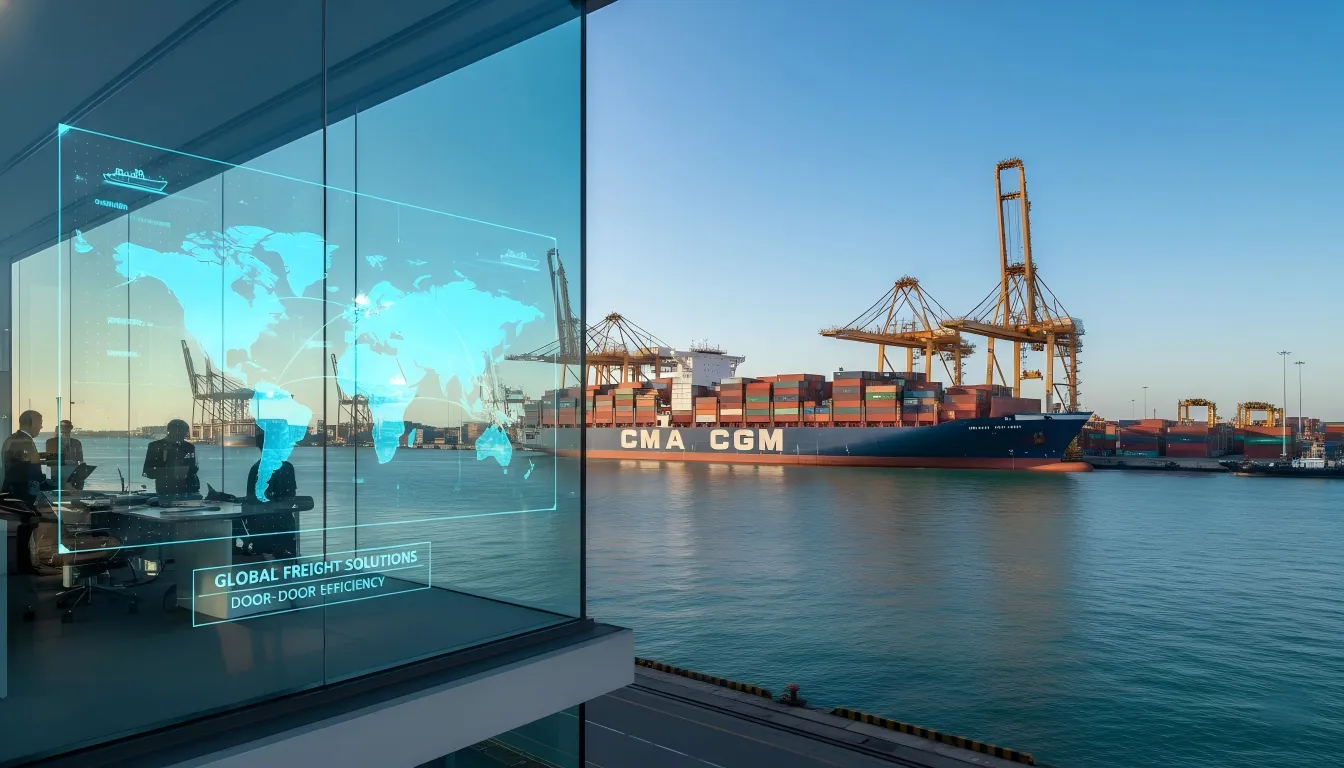
1. Why Choose Sea Freight from China to South Africa?
While air freight offers speed, sea freight remains the dominant choice for 90% of cargo moving between China and South Africa. Here is why savvy importers prioritize ocean transport:
- Cost-Effectiveness: Sea freight is significantly cheaper than air freight, often costing 80-90% less for large shipments. In a market where margins are tight, this savings is critical.
- Capacity for Volume: whether you are shipping heavy industrial machinery from Shanghai or bulk furniture from Foshan, ocean vessels can handle massive volume. A single 40ft container can hold over 20 tons of cargo.
- Versatility: With options for FCL and Less than Container Load (LCL), businesses of all sizes can ship efficiently without needing to fill a whole ship.
2. Sea Freight Modes: FCL vs. LCL
Understanding the difference between FCL and LCL is the first step in optimizing your supply chain.
2.1 Full Container Load (FCL)
FCL involves hiring a full container for your exclusive use. You don't need to fill it to the brim; you just pay for the exclusive right to use it.
Best for: Shipments over 15 CBM or when you want to minimize handling risk.
Advantages:
- Faster Transit: No need to wait for consolidation with other cargo.
- Security: The container is sealed at your supplier's factory and opened only at the destination.
- Lower Per-Unit Cost: For volumes above 15-20 CBM, FCL is almost always cheaper than LCL.
Common Container Types:
- 20GP (General Purpose): Holds ~28-33 CBM. Ideal for heavy goods like minerals or machinery.
- 40GP: Holds ~58-67 CBM. Great for general goods.
- 40HQ (High Cube): Holds ~68-76 CBM. Perfect for light, bulky items like furniture or textiles.
2.2 Less than Container Load (LCL)
LCL allows you to share container space with other importers. You only pay for the cubic meters (CBM) your cargo occupies.
- Best for: Small shipments (typically 1-15 CBM) or when you don't have enough stock to fill a container.
- Advantages: Flexible inventory management; no need to hold large stock.
- Disadvantages: Slightly longer transit time (5-7 days extra) due to consolidation at origin and deconsolidation at destination. Higher risk of damage due to multiple handling points.
3. Key Ports in China and South Africa
Choosing the right port pair can save you days of transit time and hundreds of dollars in trucking fees.
3.1 Major Ports in China
- Shanghai: The world's busiest container port. Ideal for suppliers in the Yangtze River Delta (Suzhou, Hangzhou).
- Shenzhen (Yantian/Shekou): The gateway for electronics and tech exports from the Pearl River Delta.
- Ningbo-Zhoushan: Excellent for heavy industrial goods and offers deep-water berths for mega-vessels.
- Qingdao: The major hub for Northern China (Shandong province), handling tires, machinery, and agricultural products.
- Guangzhou (Nansha): A cost-effective alternative to Shenzhen, critical for sourcing from local wholesale markets.
3.2 Major Ports in South Africa
- Durban (DUR): The busiest port in sub-Saharan Africa, handling ~60% of SA's container traffic. It is the primary gateway for goods destined for Johannesburg and Pretoria. Expert Note: Durban frequently faces congestion; book at least 3 weeks in advance.
- Cape Town (CPT): Key for the Western Cape region. It services the agricultural and retail sectors but is prone to wind-related delays in the summer months (Dec-Mar).
- Port Elizabeth (PLZ) / Ngqura (Coega): The hub for the automotive industry. It is often used as a relief port when Durban is gridlocked.
4. Shipping Routes and Transit Times (2026 Estimates)
Transit times can vary wildly based on weather, port congestion, and whether the vessel sails directly or transships (stops at a hub like Singapore). Based on our recent shipments in Q1 2026, direct services from Shenzhen to Durban are performing most reliably.
| From China Port | To Durban (Days) | To Cape Town (Days) | To Port Elizabeth (Days) |
|---|---|---|---|
| Shanghai | 25 - 35 | 30 - 40 | 28 - 33 |
| Shenzhen | 20 - 28 | 25 - 35 | 24 - 29 |
| Ningbo | 24 - 32 | 29 - 38 | 27 - 32 |
| Qingdao | 30 - 38 | 35 - 45 | 33 - 38 |
Note: In early 2026, we are seeing delays of 3-5 days at Durban due to equipment shortages and high volumes. Plan your inventory accordingly.
5. Cost of Sea Freight from China to South Africa (2026 Update)
Freight rates are dynamic, influenced by fuel prices (BAF), currency exchange (CAF), and seasonal demand. Below are estimated market rates for Q1 2026.
Expert Insight: We've noticed a trend where carriers release spot rates for South Africa mid-month. Booking 2 weeks in advance is currently the sweet spot for pricing.
5.1 Estimated Freight Rates
- FCL 20ft Container:
2,400 USD - FCL 40ft Container:
3,500 USD - LCL (Per CBM):
130 USD - Trend Alert: Rates have seen a slight uptick in March 2026 due to tightening capacity on the Asia-Africa trade lane.
5.2 Additional Costs to Consider
Never look at just the ocean freight rate. A landed cost calculation must include:
- Terminal Handling Charges (THC): Charged by the port terminals at both ends (Transnet Port Terminals in SA).
- Documentation Fees: For Bill of Lading and manifest submission.
- Customs Clearance Fees: Paid to your clearing agent.
- Inland Haulage: Trucking from Durban to Johannesburg can cost almost as much as the sea freight itself!
- Marine Insurance: Highly recommended (typically 0.2-0.5% of cargo value).
6. Customs Clearance and Documentation
South African Customs (SARS) is strict. Errors in documentation can lead to costly delays, storage penalties (demurrage), or even seizure of goods. In our experience, 30% of first-time importers face delays due to incorrect HS codes.
6.1 Required Documents
- Bill of Lading (B/L): The master document. Ensure the consignee details match your SARS registration exactly.
- Commercial Invoice: Zero-value invoices are NOT accepted. You must declare the true market value as per SARS Customs Valuation.
- Packing List: Must detail specific dimensions, weights, and packaging types.
- Certificate of Origin (Form E): Essential for potentially claiming preferential duty rates if applicable under specific trade agreements.
- Import Permit (ITAC): Critical for 2026. If you are importing second-hand goods, scrap, or specific controlled items, you must have a permit from the International Trade Administration Commission (ITAC) before shipping. We have seen shipments turned away at Durban for lacking this permit.
6.2 Duties and Taxes
Customs Duty: Varies by HS Code (0% to 45%). Textiles and apparel often attract high duties (45%).
VAT: South Africa charges 15% VAT on imports.
- Calculation Formula: VAT = (Customs Value + Duty + 10% uplift) x 15%.
7. Incoterms: FOB vs. CIF vs. DDP
Choosing the right Incoterm defines your liability and cost.
- FOB (Free On Board): You nominate the freight forwarder. This gives you maximum control over costs and transparency. Recommended for most importers.
- CIF (Cost, Insurance, and Freight): The supplier arranges shipping. While it looks easy, suppliers often use cheap, slow carriers and you may get hit with hidden "destination fees" upon arrival.
- DDP (Delivered Duty Paid): The "Amazon Prime" experience. Your forwarder handles everything—pickup, shipping, customs, duties, and delivery to your door. Best for beginners or those wanting a hassle-free experience.
8. How to Ship from China to South Africa: A Step-by-Step Guide
- Sourcing: Find reliable suppliers on platforms like Alibaba or at the Canton Fair. Verify their legitimacy.
- Get a Quote: Contact AllBestShipping before your goods are ready. Provide weight, dimensions, and Incoterms.
- Booking: We book space with top carriers (COSCO, MSC, Maersk) to secure your slot.
- Export Clearance: Your supplier (or we) handle export customs in China.
- Ocean Transit: Track your cargo in real-time.
- Import Clearance: Submit documents to SARS 7 days before arrival to pre-clear goods.
- Delivery: Once released, we arrange trucking to your warehouse in Johannesburg, Cape Town, or anywhere in SA.
9. Why Choose AllBestShipping?
At AllBestShipping, we don't just move boxes; we optimize your supply chain.
- Expertise: 10+ years of experience on the China-South Africa route.
- DDP Specialist: We offer seamless DDP services to inland cities, handling all SARS and ITAC complexities for you.
- Competitive Rates: Our volume contracts with carriers ensure you get the best price, even in peak season.
- 24/7 Support: No more waiting for time zones. Our team is always on.
10. FAQ
Q: How long does sea freight take from China to South Africa? A: Port-to-port transit is typically 20-35 days. However, door-to-door delivery usually takes 35-45 days including customs and trucking.
Q: What is the cheapest way to ship from China to South Africa? A: Sea freight is the most economical. For shipments under 15 CBM, LCL is cost-effective. For larger volumes, FCL is the best value.
Q: Do I need an import license in South Africa? A: Yes, you must be registered with SARS as an importer (obtaining an Importer Code). Additionally, ITAC permits are required for specific goods like used machinery or clothing.
Q: Can you handle DDP shipments to Johannesburg? A: Absolutely. AllBestShipping specializes in DDP services to Johannesburg, Pretoria, and other inland locations, ensuring a smooth delivery without you touching a single customs form.