US-Israel Strikes on Iran: Global Logistics Impact & The "Closure" of the Strait of Hormuz
Are your shipments to the Middle East suddenly facing massive delays or cancellation notices? You are not alone. The recent escalation involving US and Israel strikes on Iran has triggered a seismic shift in global logistics, effectively turning the Strait of Hormuz into a no-go zone for commercial shipping.
On February 28, joint military actions by the US and Israel against Iranian targets ignited a fierce retaliation, leading to a near-total paralysis of one of the world's most critical maritime choke points. For importers, exporters, and supply chain managers, this is a textbook "Black Swan" event.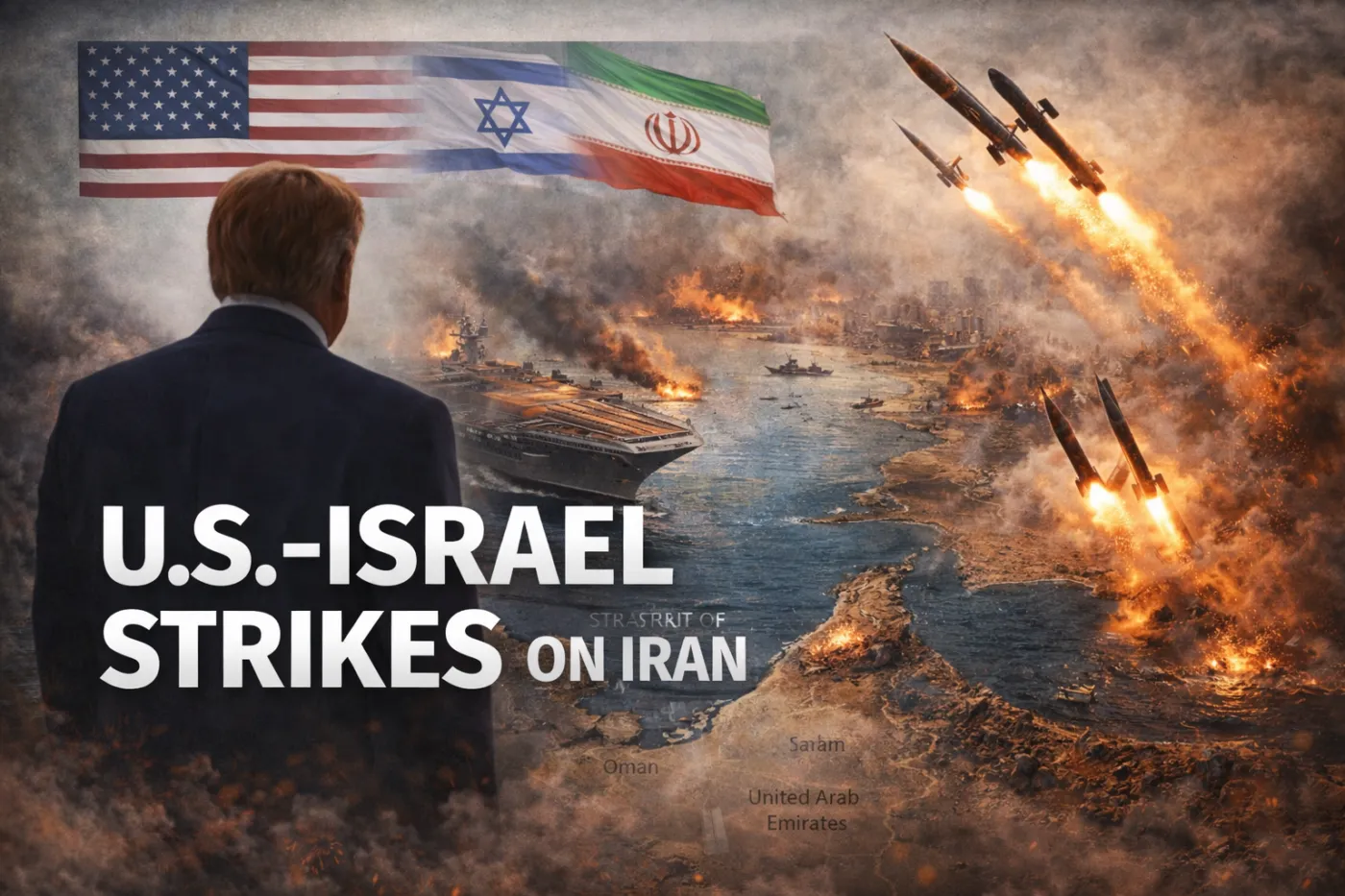
At AllBestShipping, we are closely monitoring this rapidly evolving situation to help our clients navigate these turbulent waters. Here is a comprehensive breakdown of what this conflict means for the freight forwarding industry and your supply chain.
1. The Strait of Hormuz: A Vital Artery "Effectively Closed"
The Strait of Hormuz is not just another body of water; it is the jugular vein of the global energy supply, handling approximately 20% of the world's oil transport.
Since the conflict escalated:
- Traffic Collapse: Commercial vessel passage dropped by nearly 70% initially and is now approaching zero as risks become unmanageable.
- Anchored Fleets: Over 150 vessels are currently anchored in outer seas, waiting for safety guarantees that may not come soon.
- Direct Threats: The Iranian Revolutionary Guard has issued warnings against passage, and reports of damaged tankers and crew casualties have led insurers to pull coverage.
For freight forwarders and shippers, this means the primary gateway to ports in the UAE, Saudi Arabia, Kuwait, Iraq, and Qatar is virtually blocked.
2. Carrier Responses: Suspensions, Re-routing, and Surcharges
Major shipping lines have reacted swiftly to protect their assets and crews. The consensus is clear: Avoid the danger zone.
Major Shipping Line Status Updates
| Carrier | Current Status | Key Actions |
|---|---|---|
| MSC | Suspended | Paused all bookings to/from the Middle East; suspended Strait of Hormuz transit. |
| Maersk | Re-routing | Paused Hormuz transit; ME11/MECL services re-routed via Cape of Good Hope. |
| CMA CGM | Restricted | Paused bookings for hazardous/reefer cargo to multiple ME countries; vessels re-routed via Cape. |
| COSCO | Suspended | Suspended Hormuz/Red Sea transit; vessels sheltering in safe waters. |
| ONE | Suspended | Paused new bookings to Persian Gulf; reviewing in-transit cargo. |
| Hapag-Lloyd | Restricted | Implemented War Risk Surcharge; suspended Hormuz transit. |
| ZIM | Suspended | Stopped new bookings to non-Israeli Middle East destinations. |
Note: Situation changes daily. Contact AllBestShipping for the latest carrier-specific updates.
3. The Cost Impact: Freight Rates and War Risk Surcharges
Uncertainty always comes with a price tag. The logistics industry is seeing a sharp spike in costs due to longer transit times (via the Cape of Good Hope) and skyrocketing insurance premiums.
Surging Costs
War Risk Surcharge (WRS): Carriers are implementing immediate emergency surcharges.
- CMA CGM: Up to
3,000 per container. - Hapag-Lloyd: Approx. $1,500 per TEU.
- CULINE: Up to $3,200 for in-transit cargo.
- CMA CGM: Up to
Spot Rates: Tanker rates (VLCC) China-Middle East have hit over $400,000/day. Container freight rates are following suit as capacity tightens.
Insurance: Many insurers have cancelled war risk cover, or premiums have become prohibitively expensive, forcing shippers to bear massive financial risks.
4. Operational Challenges & Risk Management
Beyond price, the operational headaches are significant.
- Incoterms Risks: If you are shipping DDP (Delivered Duty Paid) or DAP (Delivered at Place) to the Middle East—particularly for shipping from China to Iran—you are now exposed to uncontrollable costs and risks.
- Air Freight Pressure: As ocean freight stalls, demand is shifting to air cargo. Expect air freight rates to climb rapidly as capacity tightens, especially for urgent shipments to Dubai or Riyadh.
- Force Majeure: Many carriers may declare Force Majeure, relieving them of liability for delays and allowing them to terminate voyages at safe ports rather than the final destination.
5. Outlook: What Lies Ahead?
Based on current intelligence, here is our forecast for the logistics sector:
🟥 Short Term (1–4 Weeks): Panic & Disruption
- Status: High volatility.
- Expect: Frequent quote invalidations, rejected bookings, and confused schedules. Urgent air freight demand will spike.
🟧 Medium Term (1–3 Months): Structural Adjustment
- Status: The "New Normal."
- Expect: If the conflict persists, re-routing via the Cape of Good Hope will become standard, adding 10-14 days to transit times. Rates will stabilize at a higher baseline. This creates a "Double Choke Point" crisis combined with existing Red Sea issues.
🟩 Long Term (3–12 Months): Two Scenarios
- Scenario A (De-escalation): Rates retreat, surcharges drop, capacity returns.
- Scenario B (Protracted Conflict): A permanent reshaping of Middle East logistics, potentially requiring entirely new overland supply routes.
How AllBestShipping Can Help
In times of crisis, having a reliable logistics partner is not a luxury—it's a necessity. At AllBestShipping, we are:
- Securing Space: Leveraging our relationships to find remaining capacity.
- Alternative Routes: Exploring Sea-Air combined transport or cross-border trucking options where feasible.
- Transparent Communication: Keeping you informed so you can manage your inventory and customer expectations.
Don't let geopolitical instability sink your supply chain. Contact AllBestShipping today to discuss your options and mitigate your risks.