What is a Freight Forwarder and Do You Need One?
Are you overwhelmed by the complexities of moving goods across international borders? You are not alone. In the rapidly evolving landscape of global trade, understanding what is a freight forwarder and how they function is crucial for any business importing from China or elsewhere. A freight forwarder acts as the architect of global transportation, orchestrating the movement of cargo so you can focus on growing your business. This guide will demystify the role of freight forwarders, explore their key services, and help you decide if partnering with one is the right strategic move for your supply chain.
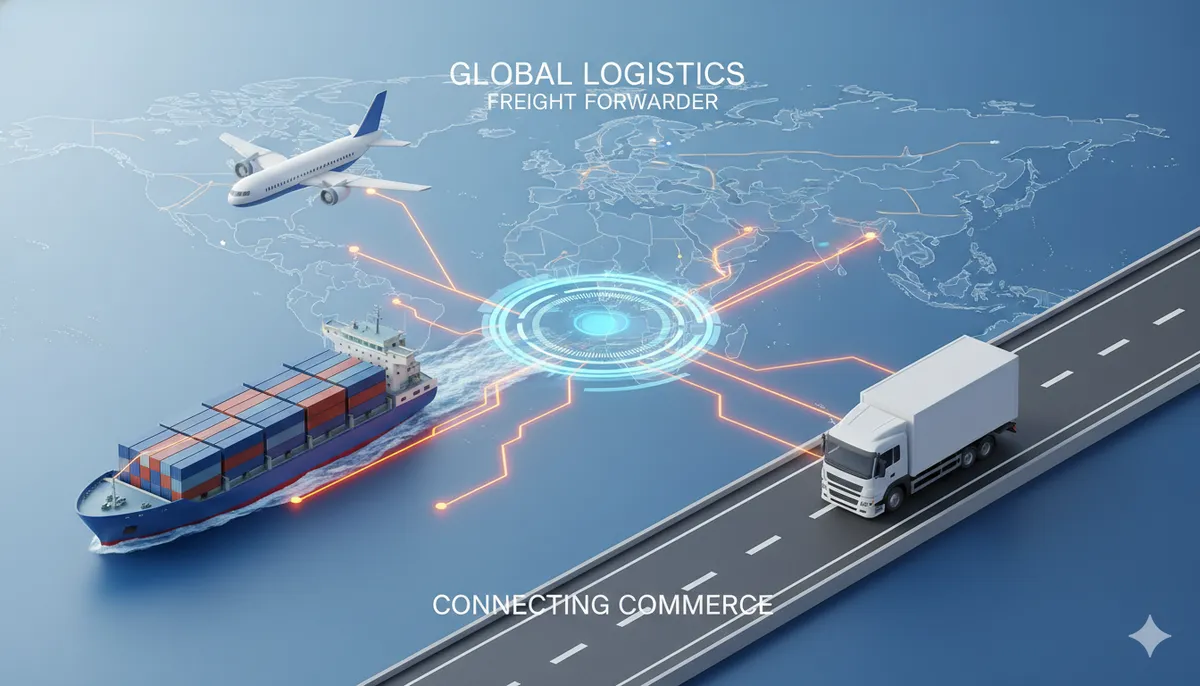
What is a Freight Forwarder?
At its core, a freight forwarder is an intermediary between a shipper (you) and various transportation services (ocean carriers, airlines, trucking companies, and rail freights). Think of them as the "travel agents" for cargo. They do not typically own the ships or airplanes themselves; instead, they utilize their extensive networks and relationships to negotiate the best price and fastest route for moving your goods.
In today's logistics environment, where supply chain resilience and digitalization are paramount, a modern freight forwarder does more than just book space. They are logistics experts who handle the intricate details of international shipping, ensuring your goods move efficiently from the factory floor in China to your warehouse door, navigating complex regulations and potential disruptions along the way.
What Does a Freight Forwarder Do?
A freight forwarder’s value lies in their ability to simplify the complex. Here is a breakdown of the core services they provide to streamline your logistics.
Core Services Provided by Freight Forwarders
- Transportation Booking: Leveraging high-volume contracts to secure competitive rates on ocean freight (FCL/LCL), air freight, and rail transport.
- Documentation Management: Handling critical shipping documents such as the Bill of Lading, Commercial Invoice, and Packing List to ensure compliance.
- Customs Clearance: Acting as or partnering with a customs broker to handle import/export duties, tariffs, and HS code classification, preventing costly delays at the border.
- Cargo Insurance: Offering freight insurance policies to protect your investment against loss or damage during transit.
- Warehousing and Distribution: Providing storage solutions, consolidation of goods from multiple suppliers, and final mile delivery.
- Supply Chain Tracking: Using modern digital tools to provide real-time visibility into your shipment's status.
How Freight Forwarders Simplify International Shipping
Imagine trying to coordinate a shipment from Shenzhen to New York yourself. You would need to contact a trucking company in China, negotiate with a shipping line, find a customs broker in the US, and arrange a US truck for final delivery—all while dealing with language barriers and time zone differences.
A freight forwarder consolidates all these steps into a single solution. You make one booking, and they handle the rest. This "one-stop-shop" approach reduces administrative burden, minimizes errors, and ensures seamless coordination between different transport modes (multimodal transport).
Types of Freight Forwarders
Not all forwarders are created equal. Depending on your specific needs, you might encounter different types:
| Type | Best For | Description |
|---|---|---|
| Global Multinational | Large Corporations | Massive networks, standard processes, but may lack personalized service for smaller clients. |
| SME / Niche Forwarder | SMEs & E-commerce | Specialized expertise (e.g., Shipping from China to Amazon FBA), highly personalized service, and flexibility. |
| Digital Freight Forwarder | Tech-savvy Shippers | Focus on online platforms for instant quoting, booking, and tracking, emphasizing efficiency and data. |
| Specialized Forwarder | Specific Goods | Experts in cold chain (perishables), dangerous goods (DG), or project cargo (oversized equipment). |
The Pros and Cons of Using a Freight Forwarder
Key Advantages
- Cost Savings: Forwarders consolidate shipments from multiple clients to negotiate bulk rates with carriers, passing the savings on to you.
- Expertise & Compliance: They stay updated on changing regulations, Incoterms, and trade tariffs, saving you from compliance fines.
- Problem Solving: When disruptions occur (port strikes, bad weather), a forwarder has the experience and network to re-route cargo and find solutions quickly.
- Simplicity: One point of contact for the entire logistics chain.
Potential Drawbacks
- Loss of Control: You rely on a third party for critical updates. This is why choosing a forwarder with good communication tools is vital.
- Variable Service Quality: Not all forwarders have the same level of competence. A poor choice can lead to delays.
- Cost Markup: While they save you money on freight rates, they do charge service fees. However, the value added usually outweighs this cost.
Do You Need a Freight Forwarder? A Decision Guide
Who Should Consider Hiring a Freight Forwarder
- Importers sourcing from China: If you are buying from Alibaba or factories in China, a forwarder is essential to handle the export/import complexity.
- E-commerce Sellers (Amazon FBA): You need strict adherence to appointment times and labeling; a forwarder specializing in FBA is a game-changer.
- SMEs with Limited Logistics Staff: If you don't have a dedicated logistics manager, the forwarder acts as your outsourced logistics department.
When You Might Not Need One
- Small Parcel Shipments: If you are shipping a 5kg box of samples, using an express courier like DHL, FedEx, or UPS directly is often faster and simpler.
- Domestic Shipping: For purely local transport within your country, a local trucking broker might be sufficient.
- Massive Corporations: Companies with enough volume to charter their own vessels or negotiate direct contracts with steamship lines (though even they often use forwarders for specific legs).
Key Questions to Ask Before Deciding
- Volume: Is my shipment large enough (over 100kg or 1 CBM) to justify freight forwarding over courier services?
- Complexity: Does the shipment require customs clearance, special handling, or multiple modes of transport?
- Risk: Can I afford the time and money required to fix a mistake if I try to do it myself?
How to Choose the Right Freight Forwarder
Selecting the right partner is critical. Here are the criteria you should evaluate:
Key Criteria for Selection
- Experience with Your Route: If you are shipping from China to the USA, find a forwarder with a strong presence in both countries.
- Services Offered: Do they offer the specific services you need, such as DDP shipping (Delivered Duty Paid) or warehousing?
- Technology: Do they offer an online portal for tracking and document management?
- Reputation: Check reviews and ask for references.
Tips for a Smooth Partnership
- Be Clear on Incoterms: Understand whether you are shipping FOB, EXW, or CIF, as this dictates responsibilities.
- Provide Accurate Data: Ensure your weights, dimensions, and product descriptions are precise to avoid customs holds.
- Communication: Establish clear lines of communication and expectations for updates.
Recommendation: For businesses looking for a reliable, tech-enabled partner for their imports, AllBestShippingoffers comprehensive freight forwarding solutions tailored to modern trade needs. We specialize in simplifying the China-to-Global logistics chain, ensuring your goods arrive on time and on budget.
Conclusion
A freight forwarder is more than just a middleman; they are a strategic partner in your business's success. By leveraging their expertise, network, and buying power, you can transform your supply chain from a headache into a competitive advantage. Whether you are a startup or an established enterprise, understanding when and how to use a freight forwarder is key to navigating the global market efficiently. If you are ready to streamline your shipping, contact AllBestShipping today for a quote and expert advice.