Comprehensive Guide to Shipping from Shenzhen to Italy (2026 Updated)
Are you a business owner or importer looking to streamline your logistics operations? If so, understanding the ins and outs of shipping from Shenzhen to Italy is an absolute necessity in 2026. As global supply chains continue to face unprecedented volatility—from Red Sea reroutings to fluctuating container availability—navigating international logistics, unpredictable freight costs, and complex Italian customs can quickly become overwhelming for businesses of all sizes. But don't worry, our team is here to simplify the entire process for you.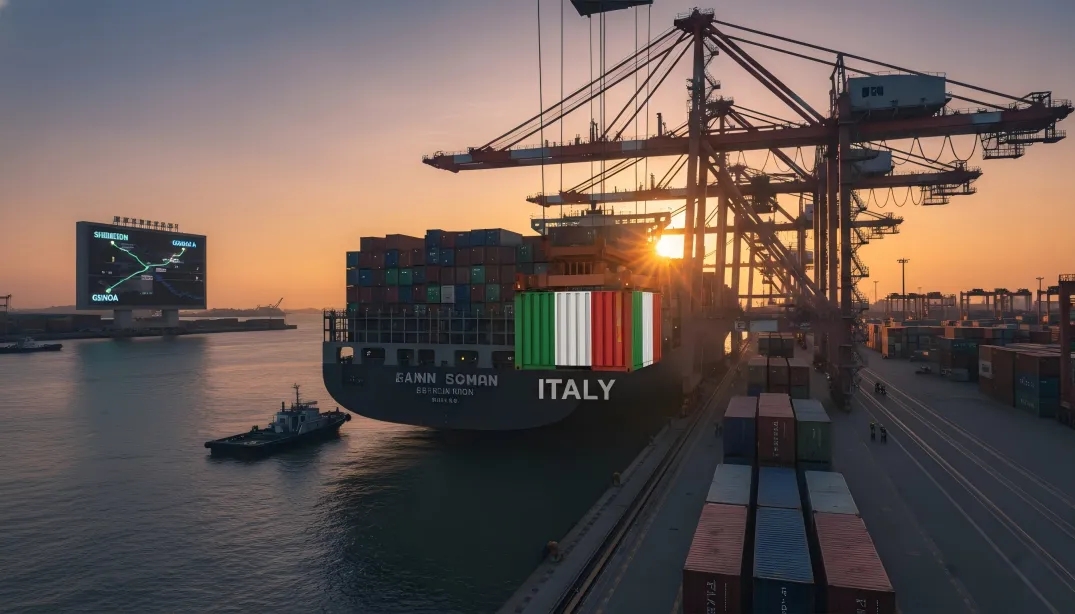
In this comprehensive guide, drawn from over a decade of hands-on experience managing China-to-Europe trade lanes, you will learn a complete breakdown of all available shipping methods. This includes Sea Freight, Air Freight, Rail Freight, and Express Shipping—along with the most updated Q1 2026 costs, realistic transit times (accounting for current geopolitical delays), and insider tips for achieving seamless customs clearance. Furthermore, we will introduce how partnering with AllBestShipping, your reliable and seasoned Freight Forwarder, can optimize your supply chain solutions and protect your bottom line.
1. Why Choose Shenzhen as Your Export Hub to Italy?
When importing goods from China to Europe, choosing the right point of origin is just as crucial as selecting the final destination. Shenzhen stands out as a premier export hub for several compelling reasons.
Shenzhen's Strategic Position
Known as China’s Silicon Valley and an undisputed manufacturing powerhouse, Shenzhen is home to thousands of high-tech factories, electronics manufacturers, and consumer goods producers. Its geographical location in the Pearl River Delta provides direct access to world-class port infrastructure. The Port of Yantian and the Port of Shekou are among the busiest and most efficient container terminals globally. By consolidating your goods in Shenzhen, you benefit from a vast network of logistics providers, competitive shipping rates, and daily departures to major European markets.
Major Arrival Ports in Italy
Italy is a major European market with a robust demand for Chinese imports, ranging from consumer electronics to fashion textiles and industrial machinery. When your cargo arrives in Italy, it typically enters through one of its primary maritime gateways:
- Port of Genoa: The busiest port in Italy, serving as a critical entry point for the industrial heartland of Northern Italy.
- Port of Naples: A key hub for distributing goods throughout Southern Italy.
- Port of La Spezia: Highly efficient for containerized cargo, offering excellent rail connections to the rest of Europe.
2. Shipping Methods from Shenzhen to Italy: Which is Best for You?
Selecting the optimal shipping method depends entirely on your budget, cargo volume, and urgency. Let’s break down the four primary modes of transportation available in 2026.
Sea Freight (Ocean Freight)
For the vast majority of our clients, Sea Freight remains the backbone of their international trade due to its incredible cost-effectiveness, especially for heavy or bulky goods.
- FCL (Full Container Load) vs. LCL (Less Than Container Load): If you have enough goods to fill a 20ft (approx. 33 CBM) or 40ft container (approx. 67 CBM), FCL is the most economical and secure choice, minimizing handling risks. If your shipment is smaller (typically between 1 to 15 CBM), LCL allows you to share container space with other shippers through consolidation, significantly reducing costs.
- Best for: Bulk goods, heavy machinery, non-perishable items, and cost-conscious shippers who plan their inventory cycles 2-3 months in advance.
- Transit Time: Approximately 25 to 45 days. Industry Insight: Due to recent Red Sea diversions forcing vessels around the Cape of Good Hope, we currently advise clients to add 10-14 days to historical transit times for shipments arriving in Genoa or La Spezia.
Air Freight
When time is of the essence, Air Freight is the premium solution.
- Best for: High-value products, time-sensitive shipments, or perishable cargo. Examples include the latest electronics, seasonal fashion apparel, and medical supplies.
- Transit Time: Typically 3 to 7 days from Shenzhen Bao'an International Airport (SZX) to major Italian airports like Milan Malpensa (MXP) or Rome Fiumicino (FCO).
- Note: The trade-off here is clear—Air Freight offers dramatically faster delivery speeds but comes with significantly higher freight rates compared to ocean transport.
Rail Freight (China-Europe Railway Express)
Over the past decade, Rail Freight has emerged as a game-changing alternative to traditional shipping methods.
- Best for: Shippers seeking a perfect middle ground that balances cost and speed. It is significantly cheaper than Air Freight and notably faster than Sea Freight.
- Transit Time: Around 15 to 20 days.
- Route: The China-Europe Railway Express connects Chinese manufacturing hubs directly to Northern Italy (e.g., Milan), offering a highly reliable and environmentally friendly supply chain solution.
Express Shipping (Door-to-Door)
For the fastest possible delivery, international courier services like DHL, FedEx, and UPS provide unparalleled speed and convenience.
- Best for: Urgent small parcels, product samples, essential business documents, and high-margin lightweight items.
- Transit Time: Just 3 to 5 days, with the added benefit of complete end-to-end tracking and integrated customs handling.
3. Cost & Transit Time Comparison (2026 Data)
To help you make an informed decision, we have compiled a quick reference table comparing the four main shipping methods based on current 2026 market data.
| Shipping Method | Estimated Cost Range (2026) | Average Transit Time | Best Use Case Scenario |
|---|---|---|---|
| Sea Freight (FCL) | $2,000 - $3,500 per container | 25 - 35 Days | Large volume, low urgency, heavy bulk goods. |
| Sea Freight (LCL) | $80 - $150 per CBM | 25 - 40 Days | Medium volume (1-15 CBM), budget-friendly. |
| Rail Freight | $120 - $200 per CBM | 15 - 20 Days | Balanced cost and speed, eco-friendly. |
| Air Freight | $4.00 - $8.00 per KG | 3 - 7 Days | High-value, time-sensitive, medium weight. |
| Express Courier | $8.00 - $15.00 per KG | 3 - 5 Days | Small parcels, urgent samples, documents. |
(Note: Freight rates are subject to market fluctuations, fuel surcharges, and seasonal demand. Contact AllBestShipping for real-time, personalized quotes.)
4. Navigating Italian Customs and Import Taxes
Customs clearance in Italy is notorious for its strict scrutiny, and the introduction of the EU's ICS2 (Import Control System 2) in 2024/2025 has only tightened documentation requirements. However, with meticulous preparation, it becomes a predictable process.
Essential Documentation
To ensure your cargo clears Italian customs (Agenzia delle Dogane e dei Monopoli) without incurring costly Demurrage or Detention charges, you must prepare:
- Commercial Invoice: Must precisely match the packing list. Include Incoterms, currency, and exact item descriptions.
- Packing List: A comprehensive breakdown including net/gross weight, dimensions, and total CBM. Italian customs frequently flags shipments with discrepancies here.
- Bill of Lading (B/L): The primary contract of carriage for ocean freight. For air shipments, this is replaced by an Air Waybill (AWB).
- Certificate of Origin: Proves where the goods were manufactured.
- CE Certificate / Declaration of Conformity: Critical for electronics, machinery, and toys entering the EU.
Understanding Taxes and Duties
When importing into Italy, you must account for two primary financial obligations:
- Customs Duties: Calculated based on the HS Code (Harmonized System Code) of your specific product. Rates can vary widely—from 0% for certain electronics to over 10% for textiles.
- Value Added Tax (VAT): Italy's standard VAT rate is currently 22%. This is calculated based on the CIF value of the goods (Cost of goods + Insurance + Freight) plus the applied customs duties.
EORI Number
If you are a European business importing goods, possessing an EORI Number (Economic Operators Registration and Identification number) is mandatory. Without this unique identifier, your goods will be legally blocked from entering the European Union.
5. Incoterms 2020: What You Need to Know
Incoterms (International Commercial Terms) dictate exactly who is responsible for the shipping costs, insurance, and risks at every stage of the journey. In our experience, choosing the wrong Incoterm is the #1 cause of budget overruns for new importers.
FOB vs. CIF
- FOB (Free on Board): The seller in Shenzhen is responsible for getting the goods onto the ship. From that point onward, the buyer assumes all costs and risks. Our Recommendation: We always advise Italian buyers to choose FOB. It gives you maximum control over the main freight costs and allows you to use your own trusted Freight Forwarder in China, preventing the seller from adding hidden markups to the ocean freight.
- CIF (Cost, Insurance, and Freight): The seller covers the cost of shipping and insurance up to the Italian destination port. While this seems easier for the buyer initially, buyers often face exorbitant, unexpected destination handling charges (DTHC) when the goods arrive in Genoa or Naples.
DDP vs. DAP
- DDP (Delivered Duty Paid): The ultimate hassle-free solution. The seller (or their freight forwarder) handles absolutely everything, including shipping, Italian customs clearance, import duties, and final delivery to your warehouse. DDP is highly recommended for e-commerce sellers and small businesses looking for seamless Door-to-Door shipping without dealing with VAT deferment complexities.
- DAP (Delivered at Place): The seller delivers the goods to your location, but you (the buyer) are strictly responsible for handling customs clearance and paying all applicable import taxes and duties.
6. Common Challenges and Expert Tips for Smooth Shipping
Even with the best planning, international logistics can present unexpected hurdles. Here are some expert tips to keep your supply chain resilient:
Packaging & Labeling Compliance
The European Union has strict safety and consumer protection standards. Ensure your products and packaging comply with EU regulations, most notably the CE marking for electronics, toys, and machinery. Improper labeling can result in immediate confiscation by Italian customs. Additionally, use robust, export-grade packaging to protect your goods during the long transit.
Anticipating Seasonal Delays
Timing is everything in logistics. Be prepared for severe capacity shortages and rate spikes during peak seasons. The weeks leading up to the Chinese New Year (usually January/February) and Golden Week (October) see a massive rush of shipments out of Shenzhen. Similarly, keep in mind the European summer holidays (August), where operations at Italian ports and warehouses may slow down considerably.
Cargo Insurance
Never underestimate the unpredictability of international transport. Whether it is rough seas, port mishandling, or unforeseen accidents, cargo damage can and does happen. Purchasing comprehensive Cargo Insurance is a relatively inexpensive yet non-negotiable step to protect your financial investment.
7. Why Partner with AllBestShipping?
Managing a complex supply chain from Shenzhen to Italy requires deep industry knowledge and a reliable network. That is exactly where AllBestShipping steps in.
Our Value Proposition
With over 10 years of expert customs clearance experience, AllBestShipping offers highly competitive rates, guaranteed vessel space even during peak seasons, and complete end-to-end tracking visibility. We act not just as your logistics provider, but as your strategic supply chain partner.
Customized Solutions
Whether you are a large B2B enterprise importing heavy machinery or a growing B2C e-commerce brand relying on fast fulfillment, we provide tailored logistics plans designed to minimize your costs and maximize your efficiency.
8. FAQ (Frequently Asked Questions)
What is the cheapest way to ship from Shenzhen to Italy? For medium to large shipments, Sea Freight (specifically FCL) is unequivocally the cheapest method. If your volume is smaller, Sea Freight LCL is your most budget-friendly option.
How long does it take to ship by sea from Shenzhen to Genoa? On average, a direct ocean voyage from Shenzhen to the Port of Genoa takes about 25 to 35 days, depending on weather conditions and port efficiency.
Do I need to pay VAT on imports from China to Italy? Yes, almost all commercial imports into Italy are subject to a standard VAT rate of 22%, which is applied to the total customs value (cost of goods + shipping + insurance + duties).
Can AllBestShipping handle Door-to-Door delivery? Absolutely! AllBestShipping specializes in DDP Door-to-Door delivery. We pick up your goods directly from the Shenzhen factory, handle all freight, manage Italian customs clearance, and deliver straight to your specified address in Italy.
9. Conclusion
Successfully importing goods from China requires a solid understanding of the logistics landscape. By choosing the right shipping method—whether it’s the cost-effective Sea Freight, the rapid Air Freight, or the balanced Rail Freight—you can align your supply chain with your specific business goals.
Don't let the complexities of international trade hold your business back. Let the experts handle the heavy lifting. Contact AllBestShipping today for a free, customized shipping quote and discover how we can streamline your shipping from Shenzhen to Italy!