How Long to Ship from China to Germany in 2026: A Complete Transit Time Guide (FCL, LCL, Air & DDP)
How long to ship from China to Germany depends on far more than a single number you see online. One guide says 30–45 days, another says 25–40 days, and a carrier flyer may promise 18 days. The reality is that your total delivery time is shaped by four levers: the transport mode you choose, the specific origin and destination pair, how smoothly German customs goes, and the season in which you ship.
In this 2026 guide, we break down the real door-to-door timelines for sea freight, air freight, and express from China to Germany. You will also learn how port-to-port figures can mislead your inventory planning, what the new EU customs rules mean for Chinese imports, and how to choose the right method for your business type.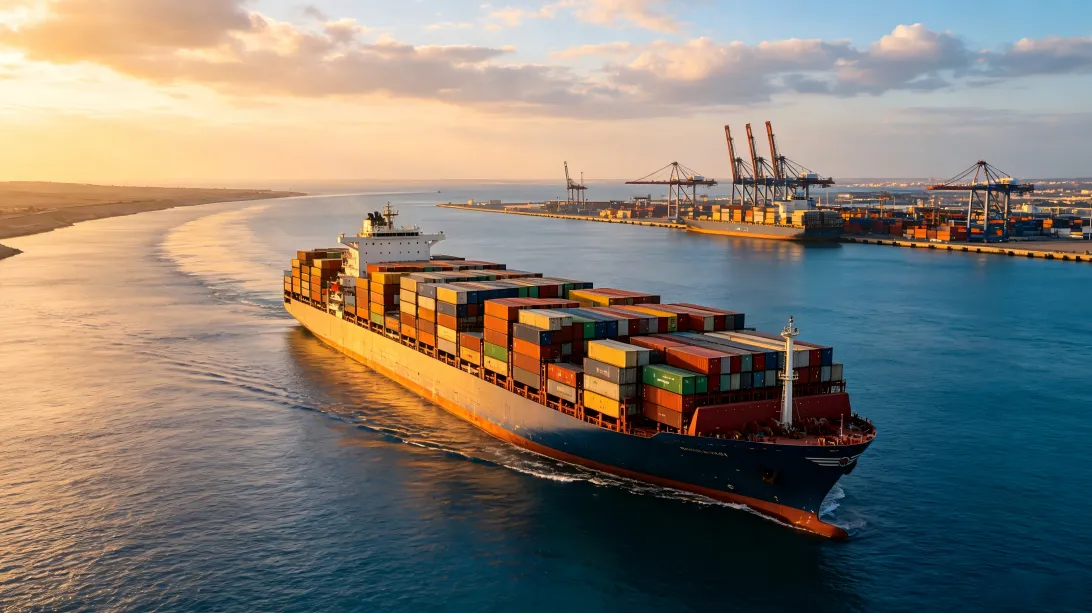
1. Quick Answer: China-to-Germany Transit Time by Method (2026)
If you need a fast answer, start with the table below. These ranges are realistic door-to-door estimates from a Chinese supplier address to a German business or warehouse address, including export clearance, main transit, import clearance, and last-mile delivery.
| Shipping Method | Door-to-Door Transit Time | Best For |
|---|---|---|
| Express Courier (DHL, FedEx, UPS) | 3–5 business days | Samples, small parcels, urgent documents |
| Air Freight | 5–8 business days | High-value electronics, seasonal goods, restocking |
| Rail Freight | 18–25 days | Mid-volume goods, balanced speed and cost |
| Sea Freight (FCL) | 35–45 days | Bulk shipments, large or heavy cargo |
| Sea Freight (LCL) | 40–55 days | Smaller loads that do not fill a full container |
Our Industry Insight: The fastest shipping from China to Germany is not always the smartest choice. A Shopify seller launching a new product may need air freight to meet a launch date. A B2B wholesaler buying furniture for Q4 should usually accept the longer sea-freight timeline to protect margin. Matching the method to your inventory plan is what keeps your supply chain profitable.
2. How Shipping Time Is Actually Calculated: Port-to-Port vs. Door-to-Door
When forwarders quote “transit time,” they may mean one of two very different things.
- Port-to-port time is the sailing or flight time between the origin port and the destination port. It excludes pickup, export clearance, import clearance, and final delivery.
- Door-to-door time is the full cycle from the supplier’s factory or warehouse to your German delivery address. This is the number that matters for inventory planning.
A typical door-to-door shipment follows this chain:
- Factory pickup / warehouse collection in China (1–3 days)
- Export customs clearance (1–2 days)
- Main transit (sea, rail, or air)
- Import customs clearance in Germany (1–3 days under normal conditions)
- Duty and VAT payment (same day or within 1–2 days if DDP)
- Last-mile delivery to your German address (1–5 days)
That is why the same Shanghai-to-Hamburg sailing can result in one importer receiving goods in 33 days and another in 42 days. The difference is usually lead time components outside the port-to-port window.
Incoterms 2020 also shape your timing. Under DDP (Delivered Duty Paid), the forwarder handles clearance and tax payment, so your timeline is predictable. Under FOB or CIF, you or your broker must arrange import clearance and inland haulage in Germany, which can add days if coordination is slow.
3. Transit Time by Shipping Method (Stage-by-Stage Breakdown)
3.1 Sea Freight: FCL from China to Germany
Full Container Load (FCL) is the backbone of China-Germany trade. You book an entire 20-foot or 40-foot container, giving you the lowest cost per unit for large or heavy cargo.
| Stage | Typical Time |
|---|---|
| Supplier pickup + inland haulage | 1–3 days |
| Export clearance | 1–2 days |
| Ocean transit (Shanghai/Ningbo/Shenzhen to Hamburg/Bremerhaven) | 28–35 days |
| Import clearance | 1–3 days |
| Last-mile delivery | 2–5 days |
| Total door-to-door | 35–45 days |
FCL is usually the cheapest option once you have roughly 13–15 cubic meters or more. In 2026, Red Sea diversions have pushed some sailings closer to the upper end of this range, so plan for 40–45 days if you are shipping during a busy period.
3.2 Sea Freight: LCL from China to Germany
Less than Container Load (LCL) lets you share container space with other shippers. You pay only for the space you use, but the price of that convenience is extra time.
| Stage | Typical Time |
|---|---|
| Supplier pickup + consolidation | 3–7 days |
| Export clearance | 1–2 days |
| Ocean transit | 28–35 days |
| Deconsolidation at destination | 3–5 days |
| Import clearance | 1–3 days |
| Last-mile delivery | 2–5 days |
| Total door-to-door | 40–55 days |
LCL is best for smaller loads under 15 CBM. Always add a 7–10 day buffer on top of the FCL time for consolidation and deconsolidation.
3.3 Rail Freight from China to Germany
The China-Europe Railway Express has become a genuine middle-ground option. Trains run from inland hubs like Xi’an, Chengdu, and Yiwu to Duisburg, the largest inland rail port in Europe.
| Stage | Typical Time |
|---|---|
| Supplier pickup + rail station stuffing | 2–4 days |
| Export clearance | 1–2 days |
| Rail transit across Eurasia | 14–18 days |
| Import clearance at Duisburg | 1–3 days |
| Last-mile delivery | 2–5 days |
| Total door-to-door | 18–25 days |
Rail is roughly half the time of sea freight and costs less than air. It is ideal for mid-volume consumer goods that need faster replenishment than ocean but cannot justify air freight rates. Be aware that most northern corridor services still transit Russia and Belarus, so some shippers now prefer southern or middle corridor alternatives for risk management.
3.4 Air Freight from China to Germany
Air freight is the standard choice when speed is critical. Major cargo routes connect Shanghai Pudong, Shenzhen, Guangzhou, and Hong Kong to Frankfurt and Munich.
| Stage | Typical Time |
|---|---|
| Supplier pickup + airport handling | 1–2 days |
| Export clearance | 1 day |
| Flight transit | 1–2 days |
| Import clearance | 1–2 days |
| Last-mile delivery | 1–3 days |
| Total door-to-door | 5–8 days |
Air freight is priced by chargeable weight, which is the greater of actual weight or volumetric weight. This makes bulky-but-light cargo expensive. For goods with a high value-to-weight ratio, such as electronics or fashion accessories, air freight often pays for itself by reducing inventory holding cost and avoiding stockouts.
3.5 Express Courier (DHL, FedEx, UPS) from China to Germany
Express courier is the fastest commercial option. The carrier manages pickup, flight, customs clearance, and last-mile delivery under one service.
| Stage | Typical Time |
|---|---|
| Pickup and export handling | 1 day |
| Flight transit | 1–2 days |
| Import clearance and duty handling | 1 day |
| Last-mile delivery | 1 day |
| Total door-to-door | 3–5 business days |
Express is best for small parcels, samples, prototypes, and urgent documents. Once you exceed roughly 100–150 kg, standard air freight usually becomes cheaper per kilogram while still offering fast transit.
4. Transit Time by Origin–Destination Pair
Your choice of Chinese port and German gateway changes the total timeline. Below are realistic door-to-door ranges for the most common trade lanes.
| From China | To Germany | Sea FCL | Rail | Air Freight |
|---|---|---|---|---|
| Shanghai | Hamburg | 33–40 days | 18–22 days | 5–8 days |
| Ningbo | Hamburg | 32–38 days | 18–22 days | 5–8 days |
| Shenzhen (Yantian) | Hamburg | 35–42 days | 19–24 days | 5–8 days |
| Guangzhou | Hamburg | 34–40 days | 19–24 days | 5–8 days |
| Yiwu | Duisburg | Not typical | 18–22 days | 5–8 days |
| Qingdao | Bremerhaven | 30–37 days | 19–25 days | 5–8 days |
| Shanghai | Frankfurt | 36–45 days | 20–26 days | 5–8 days |
| Shenzhen | Munich | 38–48 days | 21–27 days | 5–8 days |
Our Industry Insight: Southern German destinations like Munich and Stuttgart add 3–7 days of last-mile time compared with northern ports like Hamburg or Bremerhaven. If you are shipping to a southern warehouse, consider routing via Duisburg by rail and then trucking south, or simply budget the extra inland time. For businesses shipping from South China, we also cover shipping from Shenzhen to Germany with route-specific advice.
5. How German Customs Affects Your Total Shipping Time
German customs is efficient but strict. Under normal conditions, import clearance takes 1–3 working days. However, if your shipment is flagged for inspection or documents are missing, expect 5–10 working days or more.
To avoid delays, make sure the following are accurate and complete before the cargo leaves China:
- Commercial Invoice
- Packing List
- Bill of Lading (B/L) or Airway Bill (AWB)
- Certificate of Origin (when applicable)
- EORI Number (required for all commercial imports into the EU)
- Correct HS Code for customs classification
- CE marking / REACH / RoHS documentation (when required for your product category)
- ISPM-15 heat treatment certificate for wooden pallets and crates
Starting 1 July 2026, the EU has removed the long-standing €150 customs duty exemption for low-value shipments from non-EU countries. Consignments valued at €150 or below are now subject to a temporary flat duty of €3 per item, in addition to existing 19% import VAT. Import VAT applies from the first euro of value, so factor this into your landed cost and pricing.
Our Industry Insight: The most common cause of customs delay we see is under-valued commercial invoices. German customs may reject the declared value, request a corrected invoice, and place the shipment on hold. A transparent declaration and a valid EORI number are the two fastest ways to keep your cargo moving.
6. Peak Season & Disruption Buffers You Should Add
Published transit times assume normal market conditions. In 2026, several predictable events can stretch your timeline.
| Period | Impact | Recommended Buffer |
|---|---|---|
| Chinese New Year (January–February) | Factory closures, truck shortages, port congestion | 2–3 weeks earlier |
| Pre-peak season (September–October) | Christmas inventory rush, tighter capacity | 1–2 weeks earlier |
| Black Friday / Christmas (November–December) | Slower German customs and last-mile delivery | 3–7 days |
| Red Sea diversions (ongoing in 2026) | Some ocean routes rerouted around Africa | 5–10 days for affected sailings |
| General safety buffer | Unexpected inspections or weather | 2 days for express/air, 5 days for rail, 7–10 days for sea |
If you are running an Amazon FBA replenishment or a holiday promotion, build these buffers into your purchase order dates. It is far cheaper to ship two weeks earlier than to pay premium air freight because stock is about to run out.
7. Choosing the Right Method for Your Business Type
Your role as an importer determines which method makes sense. If you are also comparing routes across Western Europe, our guide to Shipping From China to France offers a useful parallel for transit-time planning.
| Business Type | Recommended Method | Why |
|---|---|---|
| B2B importer / wholesaler | Sea FCL for routine stock, rail for urgent restocking | Lowest per-unit cost and reliable capacity |
| Amazon FBA / e-commerce seller | Sea + rail mix, often DDP door-to-door | Balances cash flow, speed, and Amazon delivery windows |
| SME / first-time importer | DDP door-to-door service | Removes customs and tax complexity |
| High-value / seasonal goods | Air freight or express | Protects margins by meeting launch or seasonal windows |
When choosing, weigh four factors: cargo volume, budget, required delivery date, and compliance complexity. For small, light, or time-sensitive goods, air and express dominate. For anything over 15 CBM that is not urgent, sea freight is almost always the winner. Rail sits in the middle and is the sweet spot for monthly replenishment cycles.
8. How AllBestShipping Keeps Your China-to-Germany Shipment on Time
AllBestShipping is a professional freight forwarder based in Shenzhen, China, with a dedicated network covering major Chinese ports and German gateways including Hamburg, Bremerhaven, Frankfurt, Munich, and Duisburg. We do not just move boxes; we manage the full timeline so you can plan your inventory with confidence.
Our services for the China-to-Germany lane include:
- Sea freight (FCL and LCL) from Shanghai, Ningbo, Shenzhen, Guangzhou, and Qingdao
- Rail freight via the China-Europe Railway Express, with route options aligned to your risk preference
- Air freight and express courier coordination for urgent and high-value cargo
- DDP door-to-door shipping that handles pickup, export clearance, import clearance, duty, VAT, and final delivery under one quote
- Real-time tracking and proactive customs support to prevent delays before they happen
- Cargo insurance options for added security
Whether you need the cheapest shipping from China to Germany, the fastest shipping from China to Germany, or a balanced multimodal solution, we tailor the route and service level to your business. Learn more about our dedicated Shipping From China to Germany service or explore our Door-to-Door Shipping From China options for a fully managed experience.
9. FAQ
How long does sea freight take from China to Germany? Sea freight from China to Germany typically takes 28–35 days port-to-port and 35–45 days door-to-door for FCL. LCL usually adds 7–10 days for consolidation and deconsolidation.
How long does air freight take from China to Germany? Air freight typically takes 5–8 business days door-to-door from major Chinese airports to Frankfurt or Munich.
How long does DHL take from China to Germany? DHL Express and similar courier services usually deliver in 3–5 business days door-to-door.
What is the fastest shipping from China to Germany? Express courier is the fastest commercial option, followed by standard air freight. Both are far more expensive than rail or sea.
What is the cheapest shipping from China to Germany? Sea freight, especially FCL, is the cheapest per unit for large volumes. LCL is the cheapest for smaller shipments that do not fill a container.
How long to ship a container from China to Germany? A 20-foot or 40-foot container shipped by sea from Shanghai, Ningbo, or Shenzhen to Hamburg or Bremerhaven typically takes 35–45 days door-to-door.
Do I need an EORI number to ship from China to Germany? Yes. Any business importing commercial goods into Germany needs an EORI number. It is free and usually issued within a few working days.
How long does customs clearance take in Germany for Chinese goods? Normal clearance takes 1–3 working days. Inspections or missing paperwork can extend this to 5–10 working days or more.
Is rail freight reliable for China to Germany? Yes, rail freight is generally reliable and takes 18–25 days door-to-door. Be aware that some northern routes transit Russia and Belarus, so ask your forwarder about corridor options if geopolitical risk is a concern.
Can AllBestShipping ship directly to Amazon FBA warehouses in Germany? Yes. We provide Amazon FBA forwarding services from China to Germany, including labeling, palletization, and DDP delivery to German fulfillment centers.
10. Conclusion
How long to ship from China to Germany is not a single number. It is a function of your transport mode, origin and destination ports, German customs efficiency, and the season. Use this guide to choose the method that fits your inventory plan and budget, then build in the right buffer for predictable delivery.
If you want a precise transit-time estimate for your specific cargo, AllBestShipping can provide a tailored quote covering sea, rail, air, and DDP door-to-door options from China to Germany. Contact us today and let us keep your supply chain on schedule.