Door to Door Shipping from China to UAE: The Ultimate 2026 Guide
Are you struggling to navigate the complexities of door to door shipping from China to UAE while avoiding hidden fees and customs delays? As the bilateral trade between China and the United Arab Emirates surpasses the $100 billion mark in 2026, the demand for seamless, hassle-free logistics has never been higher. Whether you are an e-commerce entrepreneur importing electronics or a large enterprise moving heavy machinery, understanding the end-to-end supply chain is critical to your success. In our team's 10+ years of managing Middle East trade lanes, we've seen countless importers lose thousands of dollars simply because they misunderstood local customs nuances or chose the wrong Incoterm.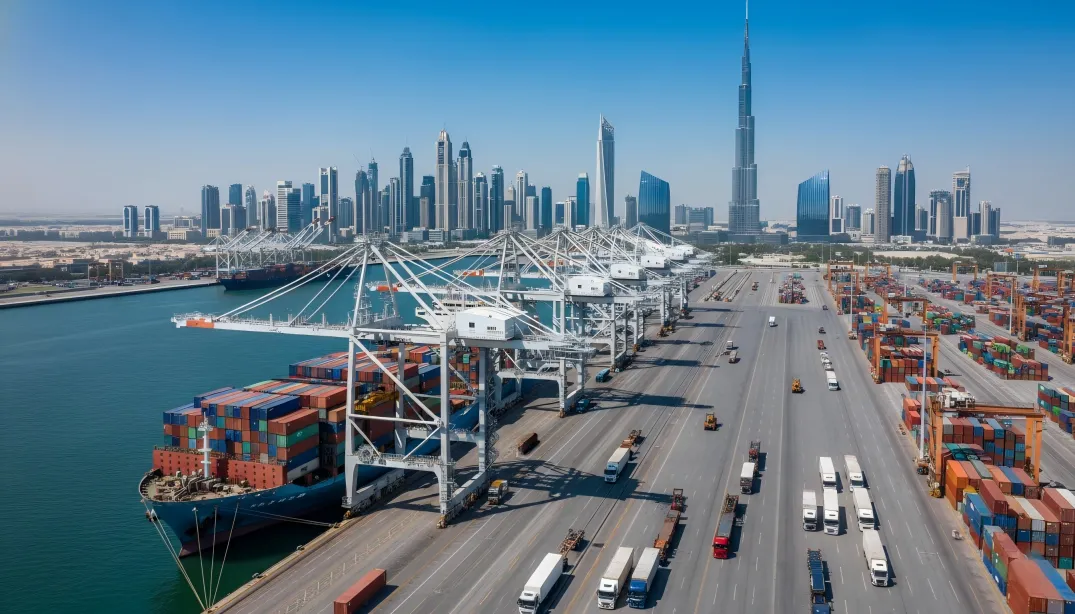
In this comprehensive guide, we will break down everything you need to know about delivered duty paid (DDP) shipping methods, current freight costs, transit times, and the latest UAE customs regulations. By the end of this article, you will have actionable strategies to optimize your supply chain, reduce overhead costs, and ensure your cargo arrives safely. Let’s dive into the ultimate logistics blueprint and discover how partnering with a reliable freight forwarder like AllBestShipping can transform your import business.
What is Door-to-Door (DDP) Shipping from China to UAE?
When importing goods into Dubai, Abu Dhabi, Sharjah, or any other emirate, choosing the right logistics model is the most crucial decision you will make. The end-to-end logistics model, commonly referred to as door-to-door shipping, means that your freight forwarder handles every single step of the journey. From picking up the cargo at your Chinese supplier's factory to delivering it directly to your UAE warehouse or doorstep, the entire process is managed by one dedicated logistics provider.
DDP vs. DAP and DDU
To fully grasp the benefits of this service, it is essential to understand the International Commercial Terms (Incoterms). The most popular Incoterm for this route is DDP (Delivered Duty Paid). Under DDP terms, the freight forwarder assumes all responsibilities, risks, and costs associated with transporting the goods. This includes paying for export clearance in China, the main carriage (ocean or air), import clearance in the UAE, and all applicable taxes and customs duties.
In contrast, terms like DAP (Delivered at Place) or DDU (Delivered Duty Unpaid) require the buyer (you, the importer) to handle the import customs clearance and pay the local taxes and duties upon arrival in the UAE. For most businesses, DDP is the preferred choice because it eliminates the headache of dealing with local customs authorities and provides a clear, upfront cost without any hidden surprises. While we offer both options, we strongly recommend DDP for first-time importers or those without a dedicated logistics team in the UAE, as it shields you from unexpected demurrage or detention charges at the port.
The Process at a Glance
The door-to-door shipping process is a well-coordinated symphony of logistics operations. Here is a step-by-step look at how it works:
- Factory Pickup in China: The freight forwarder arranges a truck to collect the packaged goods directly from the manufacturer's facility in Shenzhen, Guangzhou, Yiwu, or any other industrial hub.
- Export Customs Clearance: The forwarder handles all export documentation, ensuring compliance with Chinese customs regulations before the cargo is loaded onto the vessel or aircraft.
- Main Carriage (Ocean or Air): The goods are transported across the globe via your chosen method—either by sea or by air.
- Import Customs Clearance in the UAE: Upon arrival at Jebel Ali Port or Dubai International Airport, the forwarder’s local agents manage the complex import customs procedures, paying the 5% VAT and standard customs duties on your behalf.
- Last-Mile Delivery: Finally, the cleared cargo is loaded onto a local delivery truck and transported to your specified final destination, whether it is an Amazon FBA fulfillment center, a retail store, or a private warehouse.
Shipping Methods: Sea Freight vs. Air Freight
Selecting the appropriate transportation mode is vital for balancing your budget and meeting your delivery deadlines. The China-UAE trade lane offers robust options for both sea and air transportation.
Sea Freight (FCL & LCL)
For the vast majority of importers, sea freight remains the most cost-effective and popular method for shipping from China to the Middle East. It is particularly suited for bulky, heavy, or high-volume cargo such as furniture, construction materials, and industrial machinery.
- FCL (Full Container Load): If you are purchasing enough goods to fill an entire 20-foot or 40-foot container, FCL is your best option. It provides exclusive use of the container, which means your goods are not mixed with cargo from other shippers. This significantly reduces the risk of damage and pilferage. FCL is highly cost-effective for large volumes and generally experiences faster transit times since there is no need to consolidate or deconsolidate the container at the ports.
- LCL (Less than Container Load): If your shipment is smaller—typically between 1 and 15 cubic meters (CBM)—LCL is the ideal solution. In this scenario, your cargo shares container space with shipments from other buyers heading to the same destination. While LCL allows you to save money by only paying for the space you use, it does require additional time for consolidation in China and deconsolidation upon arrival in the UAE.
Key Ports: The journey typically begins at major Chinese maritime hubs such as the Port of Shenzhen, Port of Guangzhou, Port of Ningbo-Zhoushan, or the Port of Shanghai. The cargo is then routed to major Emirati maritime ports, with Jebel Ali Port in Dubai being the busiest and most technologically advanced. Other significant entry points include Khalifa Port in Abu Dhabi and Port Khalid in Sharjah.
Air Freight & Express Courier
When time is of the essence, air transportation is the undisputed champion. Although it comes at a premium price, the speed and reliability it offers are unmatched.
- Standard Air Freight: This method is best for time-sensitive, high-value, or fragile goods, including consumer electronics, medical equipment, high-end fashion, and automotive parts. Flights typically depart from major international airports like Shanghai Pudong (PVG), Guangzhou Baiyun (CAN), or Shenzhen Bao'an (SZX) and land at Dubai International Airport (DXB) or Abu Dhabi International Airport (AUH). Keep in mind that air freight capacity often tightens during major tech product launches in China, leading to sudden rate spikes.
- Express Courier (DHL, FedEx, UPS): For extremely urgent documents, product samples, or small e-commerce parcels, express courier services provide the fastest possible transit. These services are inherently door-to-door and include fast-track customs clearance. While express shipping is the most expensive option on a per-kilogram basis, it is incredibly convenient for shipments weighing under 100 kilograms.
Transit Times and Costs (2026 Estimates)
Understanding the expected transit times and current freight rates is crucial for effective supply chain planning and inventory management. Please note that shipping costs fluctuate based on market demand, fuel prices, and seasonal trends.
Estimated Transit Times
| Shipping Method | Origin (China) | Destination (UAE) | Estimated Transit Time | Best For |
|---|---|---|---|---|
| Sea Freight (FCL/LCL) | Major Chinese Ports | Jebel Ali / Khalifa Port | 20 – 35 Days | Bulk cargo, heavy machinery, furniture |
| Standard Air Freight | Major Chinese Airports | DXB / AUH | 3 – 7 Days | High-value goods, electronics, urgent stock |
| Express Courier | Any Chinese City | Any UAE City | 2 – 5 Days | Small parcels, documents, samples |
Estimated Shipping Costs
Disclaimer: The following rates are estimates for Q1/Q2 2026 and are subject to market fluctuations, fuel surcharges (BAF), and peak season capacity constraints. Contact us for a real-time quote.
| Container / Freight Type | Approximate Cost (USD) | Notes |
|---|---|---|
| 20ft Container (FCL) | $1,200 – $1,800 | Port-to-Port basis; ideal for medium volumes. |
| 40ft / 40HQ Container (FCL) | $1,600 – $2,500 | Port-to-Port basis; best value for large volumes. |
| LCL (Per CBM) | $60 – $120 | Door-to-Door DDP rates usually range from $70-$90 per CBM. |
| Air Freight (Per KG) | $4.50 – $8.00 | Varies based on weight brackets (+100kg, +300kg, +500kg). |
| Express Courier (Per KG) | $8.00 – $15.00 | Most expensive; fully inclusive door-to-door tracking. |
Expert Tip on Seasonality: Timing your shipments can drastically impact your bottom line. Freight rates and transit times are heavily influenced by peak seasons. For instance, the weeks leading up to the Chinese New Year (usually in January or February) see a massive spike in demand and prices as factories rush to ship goods before closing. Similarly, the Q4 holiday season and the period leading up to Ramadan in the Middle East often result in port congestion at Jebel Ali, tighter space allocations, and peak season surcharges (PSS). To optimize your costs, our logistics planners recommend booking your shipments at least 3 to 4 weeks prior to these peak periods to secure vessel space and lock in lower rates.
Navigating UAE Customs and Import Duties
The United Arab Emirates boasts a highly efficient, digitized customs clearance process. However, strict adherence to their regulatory framework is mandatory. A minor paperwork error can lead to significant delays, storage fees, or even the confiscation of your cargo.
Essential Shipping Documents
To ensure a smooth customs clearance process, your freight forwarder will help you prepare and verify the following essential documents:
- Commercial Invoice: This is the most critical document. It must accurately declare the total value of the goods, a detailed description, the HS (Harmonized System) codes, and the Incoterms used (e.g., DDP or FOB). Under-declaring the value of your goods is a severe offense in the UAE and can result in hefty penalties.
- Packing List: This document details the exact contents of your shipment, including the weight, dimensions, number of cartons, and packaging type. Customs officials use this to cross-reference with the Commercial Invoice during physical inspections.
- Bill of Lading (B/L) or Air Waybill: The Bill of Lading serves as a receipt for the cargo and a contract of carriage between the shipper and the carrier for sea freight. For air shipments, the equivalent document is the Air Waybill.
- Certificate of Origin: This document proves where the goods were manufactured. It is essential for determining the correct tariff rates and is mandatory for all commercial imports into the UAE.
Taxes and Duties
When importing goods into Dubai or other emirates, you must account for two primary financial obligations:
- Standard Customs Duty: The UAE imposes a standard import duty of 5% on the CIF (Cost, Insurance, and Freight) value of most general commercial goods.
- Value Added Tax (VAT): A standard VAT rate of 5% is applied to the majority of goods and services. The VAT is calculated on the total customs value of the goods plus the 5% customs duty. (For official details, refer to the UAE Federal Tax Authority).
Mention of CEPA: The Comprehensive Economic Partnership Agreement (CEPA) between the UAE and various global partners continues to evolve. While China and the UAE already enjoy robust bilateral trade agreements, always consult with your freight forwarder to see if your specific product category qualifies for any tariff exemptions or reduced rates under the latest trade pacts.
Prohibited & Restricted Items
The UAE has strict Islamic laws and cultural guidelines that dictate what can and cannot be imported.
- Prohibited Items: You absolutely cannot ship narcotics, counterfeit currency, goods from boycotted countries, gambling tools, or any materials that contradict Islamic teachings.
- Restricted Items: Certain goods require special pre-approval and import licenses from specific UAE ministries. For example, pharmaceuticals and medical devices require approval from the Ministry of Health and Prevention. Telecommunications equipment must be cleared by the Telecommunications and Digital Government Regulatory Authority (TDRA). Furthermore, sensitive goods like cosmetics, batteries, and liquids require specialized handling and Material Safety Data Sheets (MSDS) to be transported legally.
How to Optimize Your China-UAE Supply Chain
Thriving in the international trade arena requires more than just booking a shipment; it demands strategic supply chain optimization. Here are three actionable strategies to enhance your logistics operations:
1. Proper Packaging for Extreme Conditions
The journey from a Chinese factory to a warehouse in Dubai involves multiple handling stages and exposure to extreme environmental conditions. The Middle East is known for its scorching summer temperatures, which can easily exceed 50°C (122°F) inside a steel shipping container.
- Ensure your goods are packed in high-quality, export-grade corrugated cartons.
- Use pallets to prevent damage from forklifts during loading and unloading.
- If you are shipping temperature-sensitive goods like cosmetics, electronics, or pharmaceuticals, strongly consider investing in temperature-controlled reefer containers or specialized thermal packaging.
2. Accurate HS Codes Classification
The Harmonized System (HS) code is a standardized numerical method of classifying traded products. Assigning the correct HS code to your products is your responsibility, although a good freight forwarder will assist you. Using an incorrect HS code can lead to paying higher duties than necessary, or worse, facing severe fines for misclassification and customs fraud. Always double-check your HS codes with a licensed customs broker before finalizing your Commercial Invoice.
3. Implement Buyer's Consolidation
If you are sourcing products from multiple suppliers across different provinces in China, shipping them individually as LCL cargo is highly inefficient and expensive. Instead, utilize a strategy known as Buyer's Consolidation. Partner with a freight forwarder who operates a warehouse in a major Chinese port city (like Shenzhen or Ningbo). Have all your suppliers send their goods to this central warehouse. The forwarder will then consolidate all your smaller orders into one single FCL shipment. This drastically reduces your per-unit shipping cost, minimizes customs clearance fees (since you only process one shipment instead of many), and simplifies your inventory management. For instance, we recently helped a Dubai-based retailer consolidate orders from five different suppliers in Guangdong, saving them over $1,200 in LCL terminal handling charges (THC) and customs document fees.
Why Choose AllBestShipping for Your UAE Shipments?
Navigating the intricacies of international logistics requires a partner you can trust. At AllBestShipping (https://allbestshipping.com/), we are more than just a logistics company; we are your dedicated supply chain architects.
- End-to-End Expertise: With decades of hands-on experience specializing in the China-Middle East trade lane, our team possesses a deep, nuanced understanding of both Chinese export protocols and UAE import regulations. We anticipate challenges before they arise.
- All-Inclusive DDP Solutions: We specialize in true door-to-door DDP shipping. This means we provide transparent, all-inclusive pricing with absolutely no hidden fees. We handle the export clearance, ocean or air freight, UAE customs, VAT payments, and the final last-mile delivery to your warehouse. You simply place your order in China and receive your goods in the UAE.
- Fast & Reliable Service: In the fast-paced world of global trade, communication is key. We pride ourselves on offering dedicated customer service and real-time shipment tracking. Thanks to our strong, long-standing relationships with top-tier ocean carriers and airlines, we can secure premium space allocation for your cargo, even during the most chaotic peak seasons.
Frequently Asked Questions (FAQs)
How long does it take to ship door-to-door from China to Dubai? For sea freight, the door-to-door transit time typically ranges from 25 to 35 days, factoring in customs clearance and final delivery. For air freight, the process is much faster, usually taking between 5 to 10 days from the supplier's door to your UAE warehouse.
Is it cheaper to use DDP or FOB for UAE imports? FOB (Free on Board) might appear cheaper on the initial quote because it only covers the cost of the goods and loading them onto the vessel in China. However, you will be hit with numerous destination charges, customs clearance fees, and taxes upon arrival in the UAE. For small to medium-sized businesses, DDP is often more cost-effective and significantly less stressful, as the freight forwarder leverages their bulk volume to secure lower clearance and delivery rates, providing you with one predictable, all-inclusive invoice.
Do I need an import license to receive goods in the UAE? If you are importing commercial quantities of goods under DAP or FOB terms, you must have a valid UAE trade license registered with the customs authority. However, if you use a freight forwarder’s DDP service, the forwarder imports the goods under their own trading license and delivers them to you, meaning you do not necessarily need your own import license for the transaction.
Can you ship sensitive goods like batteries, liquids, or cosmetics to the UAE? Yes, but these items are classified as sensitive or dangerous goods (DG). They require specialized handling, specific packaging, and Material Safety Data Sheets (MSDS). Not all airlines or shipping vessels accept DG cargo. It is imperative to inform your freight forwarder in advance so they can book the appropriate carrier and prepare the specialized customs documentation required by UAE authorities.
Conclusion
Mastering the logistics of door to door shipping from China to UAE is a game-changer for your import business. By understanding the critical differences between sea and air freight, accurately calculating your transit times and costs, and proactively navigating the UAE's strict customs regulations, you can build a highly resilient and profitable supply chain.
Remember, the cheapest shipping quote is rarely the best value if it results in hidden fees, customs delays, or damaged cargo. Choosing the right logistics model, like DDP, and implementing smart strategies like Buyer's Consolidation will save you both time and money in the long run.
Are you ready to streamline your imports and eliminate logistics headaches? Contact AllBestShipping today for a free, customized quote on your next shipment to the United Arab Emirates. Let our team of experts handle the heavy lifting while you focus on scaling your business!