Shipping from Shenzhen to Mexico: The Complete 2026 Logistics Guide
Are you struggling with unpredictable freight rates, port congestion, or the notoriously complex Mexican customs clearance process? As the nearshoring boom accelerates, shipping from Shenzhen to Mexico has become a critical lifeline for global supply chains, but navigating this specific trade lane requires expert precision. In our 10+ years of managing trans-Pacific freight at AllBestShipping, we have seen first-hand how a single missing NOM certificate can stall a supply chain for weeks. Whether you are importing raw materials, high-tech electronics, or automotive components, understanding the nuances of this route is the difference between a profitable quarter and a logistical nightmare.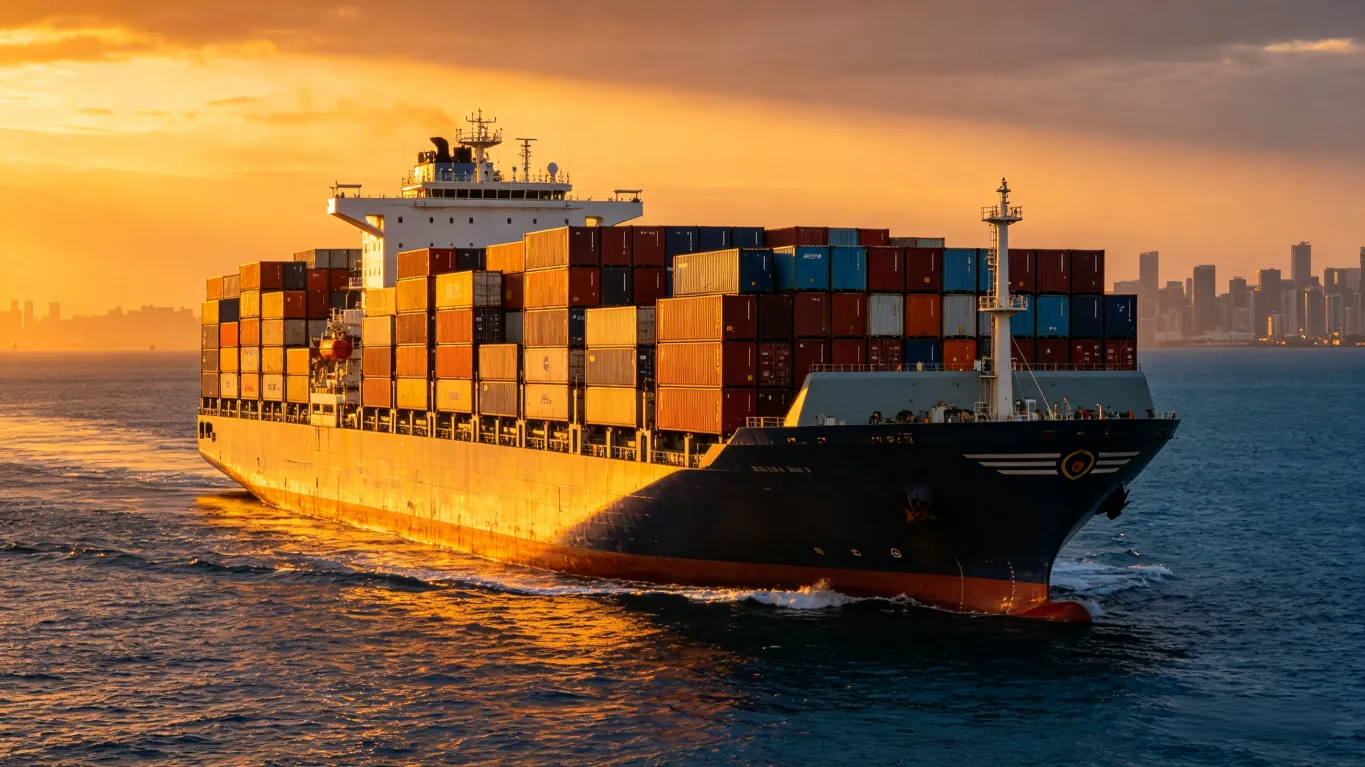
In this comprehensive, up-to-date guide for 2026, our team breaks down the exact shipping methods, real-time transit times, hidden costs, and strategic advice you need to streamline your imports and outpace your competitors.
Why Shenzhen is a Key Hub for Mexico-Bound Cargo
Shenzhen is not just a city; it is a global manufacturing and technological powerhouse. Located in the heart of the Greater Bay Area in Southern China, Shenzhen boasts some of the most efficient and high-capacity port infrastructure in the world. When you are moving goods across the Pacific, the ports of Yantian, Shekou, and Chiwan serve as the primary gateways for outbound international freight.
Yantian Port, in particular, is heavily favored for deep-water ocean vessels heading to the Americas. Its high throughput capacity and advanced automated terminal operations mean that your cargo spends less time waiting for loading and more time in transit. On the aviation side, Shenzhen Bao'an International Airport (SZX) and the nearby Hong Kong International Airport (HKG) provide unparalleled daily airlift capacity.
The synergy between Shenzhen’s industrial output and Mexico’s growing manufacturing sectors is undeniable. As companies flock to Mexican industrial hubs like Monterrey, Guadalajara, and Tijuana to capitalize on the USMCA (United States-Mexico-Canada Agreement), the demand for Chinese components has skyrocketed. Shenzhen is the world’s leading producer of consumer electronics, telecommunications equipment, automotive parts, and precision machinery—exactly the raw materials and sub-assemblies that Mexican Maquiladoras require to produce finished goods for the North American market. By leveraging Shenzhen's robust logistics network, importers in Mexico can maintain lean inventories and agile production schedules.
Shipping Methods: Choosing the Right Channel
Selecting the optimal mode of transport is the most crucial decision in your supply chain strategy. The right choice depends entirely on your budget, cargo volume, and delivery timeline.
Ocean Freight (Sea Freight)
For the vast majority of international trade, ocean freight remains the undisputed champion of cost-effectiveness. When shipping across the Pacific Ocean, you generally have two primary options:
- Full Container Load (FCL): This is the ideal choice for high-volume shipments. When you book FCL, you rent an entire 20-foot or 40-foot container exclusively for your goods. This method reduces the risk of damage since the container remains sealed from the supplier's warehouse in Shenzhen until it reaches the destination in Mexico. It also offers a lower cost-per-unit for large orders. The typical maritime routing goes straight across the Pacific to major Mexican west coast ports like Manzanillo or Lázaro Cárdenas.
- Less than Container Load (LCL): If your shipment is not large enough to fill an entire container (usually under 15 cubic meters), LCL is the most practical and cost-effective solution. Your goods will be consolidated with cargo from other shippers into a single container. While LCL saves money for smaller volumes, it does require additional time for consolidation at the port of origin and deconsolidation at the destination port. In our experience, deconsolidation at Manzanillo can add an extra 3 to 5 days to your transit time during peak seasons, so plan your inventory accordingly.
Air Freight
When time is money, air freight is the ultimate solution. While significantly more expensive than ocean freight, air transport reduces transit times from weeks to mere days. It is highly recommended for urgent shipments, high-value electronics, perishable goods, or critical replacement parts that would halt a production line if delayed. We frequently route cargo via direct and indirect flights on carriers like Aeromexico Cargo or Cathay Pacific Cargo from Shenzhen (SZX) or Hong Kong (HKG) into Mexico City International Airport (MEX) and Guadalajara International Airport (GDL).
Express Courier (Door-to-Door)
For product samples, small parcels, or extremely urgent documents, international express couriers like DHL, FedEx, and UPS offer unparalleled speed and convenience. These services provide a seamless door-to-door experience, meaning the courier handles the pickup in Shenzhen, the international transit, the customs clearance process, and the final delivery in Mexico. While this is the most expensive method per kilogram, the integrated service and granular tracking capabilities make it invaluable for specific use cases.
Transit Times: How Long Does It Take?
Understanding transit times is essential for accurate inventory planning. The duration of your shipment will vary drastically based on the mode of transport, the specific carrier route, and external factors like weather conditions or port congestion.
| Shipping Method | Estimated Transit Time (Shenzhen to Mexico) | Best Use Case |
|---|---|---|
| Ocean FCL | 22 – 35 days | Large volume, non-urgent, heavy machinery, bulk materials |
| Ocean LCL | 28 – 40 days | Medium volume, cost-conscious, flexible timelines |
| Air Freight | 3 – 8 days | High-value, urgent components, seasonal retail goods |
| Express Courier | 3 – 5 days | Product samples, critical documents, small high-value items |
Note: The times listed above are port-to-port or airport-to-airport estimates (except for Express). You must factor in additional days for inland transportation and customs clearance.
Factors Affecting Transit Times
Several variables can disrupt these estimates. Peak shipping seasons, particularly the weeks leading up to the Chinese New Year or the Q4 holiday rush, often cause severe space shortages and rolled cargo. Additionally, port strikes, severe weather in the Pacific, or sudden regulatory changes by Mexican customs can add unexpected days to your timeline. Partnering with a proactive freight forwarder ensures you have contingency plans in place for these exact scenarios.
You may be interested in the following related shipping routes:
- Shipping from China to Mexico
- Shipping from China to Canada
- Shipping From China to Australia
- Shipping From China to UK
- Shipping from China to US
Freight Costs: What to Expect in 2026
Budgeting for international shipping requires a deep understanding of the dynamic freight market. Rates fluctuate based on fuel surcharges, container availability, and seasonal demand.
| Shipping Method | Indicative Cost Range (2026 Estimates) | Pricing Metric |
|---|---|---|
| Ocean Freight (20ft Container) | $2,000 – $3,500 | Per Container |
| Ocean Freight (40ft Container) | $3,000 – $4,800 | Per Container |
| Ocean LCL | $80 – $150 | Per Cubic Meter (CBM) |
| Air Freight | $5.00 – $9.00 | Per Kilogram (Volumetric or Gross) |
| Express Courier | $8.00 – $15.00+ | Per Kilogram |
Hidden Fees to Watch Out For
The freight rate is only one piece of the puzzle. Importers must be vigilant about additional surcharges. Terminal Handling Charges (THC), documentation fees, and peak season surcharges can inflate your final bill. Furthermore, upon arrival in Mexico, you are responsible for import duties, the Value Added Tax (IVA, generally 16%), and customs processing fees (DTA).
Expert Tip: One of the most effective ways to optimize your logistics spend is by utilizing buyer's consolidation services. A premium forwarder like AllBestShipping can collect goods from multiple suppliers in Shenzhen, consolidate them into a single FCL shipment, and drastically reduce your overall shipping and destination handling costs.
Navigating Mexican Customs (Aduanas)
Mexican customs clearance regulations are notoriously strict and unforgiving of administrative errors. A single typo on your paperwork can result in severe delays, storage fees, or even the confiscation of your cargo.
Essential Documentation
To ensure a smooth clearance process, your paperwork must be flawless. The required documents include: - Commercial Invoice: Must detail the exact value, description, and HS codes of the goods. - Packing List: A granular breakdown of weights, dimensions, and packaging types. - Bill of Lading (for ocean) or Air Waybill (for air): The official contract of carriage and title of the goods. - Certificate of Origin: Crucial for determining applicable tariffs and trade agreement benefits.
The Role of a Customs Broker (Agente Aduanal)
Unlike in many other countries, Mexican law dictates that almost all commercial imports must be cleared by a licensed Mexican Customs Broker (Agente Aduanal). You cannot simply clear the goods yourself. This professional acts as your legal representative before the government, ensuring that all taxes are paid and that your goods comply with local regulations. According to the Mexican Tax Administration Service (SAT), utilizing a certified broker is a mandatory requirement to file the Pedimento de Importación (official import document).
Common Compliance Issues: NOMs
A frequent pitfall for importers is failing to comply with Mexican Official Standards (Normas Oficiales Mexicanas, or NOMs). These are strict regulations governing product safety, energy efficiency, and commercial labeling. For instance, NOM-024-SCFI-2013 specifically regulates packaging and commercial information for electronic and electrical products. If your goods arrive at the port without the correct NOM certification or Spanish-language labeling, they will not be allowed to enter the country, incurring massive demurrage and detention fees.
Major Ports and Airports in Mexico
Understanding your destination gateways helps in planning the most efficient inland routing to your final warehouse or assembly plant.
Key Seaports
- Port of Manzanillo: Located on the Pacific coast in the state of Colima, Manzanillo is the busiest and most critical seaport in Mexico for Asian cargo. It handles the vast majority of containerized freight from Shenzhen and offers excellent rail and highway connections to Mexico City and the industrial north.
- Port of Lázaro Cárdenas: A massive deep-water port with incredible growth potential. It is often preferred for automotive imports and heavy machinery, offering a slightly less congested alternative to Manzanillo.
- Port of Ensenada: Situated further north in Baja California, Ensenada is a strategic gateway for goods destined for the Maquiladoras in Tijuana and the broader US-Mexico border region.
Key Airports
- Mexico City International Airport (MEX): The undisputed hub for air freight, handling the bulk of high-value and urgent cargo entering the country.
- Guadalajara International Airport (GDL): Known as the "Silicon Valley of Mexico," Guadalajara is the primary destination for electronic components and tech-related air shipments.
- Monterrey International Airport (MTY): Serving the industrial powerhouse of Nuevo León, this airport is vital for automotive and manufacturing supply chains.
Step-by-Step Guide: How to Ship from Shenzhen to Mexico
Executing a flawless international shipment requires a systematic approach. Follow these expert steps to ensure success:
- Define Your Shipment Details and Incoterms: Before you do anything, you must know the exact weight, volume, and commodity type of your goods. Equally important is agreeing on Incoterms with your Shenzhen supplier. Terms like FOB (Free on Board) mean the supplier handles local Chinese costs, while EXW (Ex Works) means you are responsible for everything from their factory door. CIF (Cost, Insurance, and Freight) places the shipping responsibility on the seller, though many buyers prefer to control the freight themselves.
- Select the Optimal Shipping Mode: Compare quotes based on your urgency and budget. Use the transit time and cost tables provided earlier in this guide to make an informed decision between Ocean, Air, or Express.
- Prepare Goods and Documentation: Work closely with your supplier to ensure the goods are packaged securely for long-haul transit. Double-check the Commercial Invoice and Packing List for 100% accuracy.
- Book with a Trusted Freight Forwarder: Partner with a logistics expert who has dedicated experience in the China-Latin America trade lane. They will secure vessel space, arrange container pickup, and manage the export customs clearance in Shenzhen.
- Track Transit and Prepare for Clearance: While the cargo is en route, send all preliminary documents to your Mexican Customs Broker (Agente Aduanal) so they can pre-file the import pedimento and calculate duties.
- Arrange Final Inland Delivery: Once the goods clear customs at Manzanillo or MEX airport, coordinate the final mile trucking or rail transport to deliver the cargo safely to your warehouse.
Why Choose AllBestShipping for Your Mexico Route
When dealing with a route as complex and vital as Shenzhen to Mexico, you cannot afford to rely on inexperienced logistics providers. AllBestShipping brings over a decade of specialized expertise to the China-to-Latin America trade lane.
We understand that our clients need more than just a tracking number. We offer guaranteed space allocation even during peak seasons, highly competitive contract rates with premium ocean and air carriers, and a dedicated team that speaks both the language of Chinese manufacturing and Mexican customs. From seamless door-to-door solutions to complex project cargo and buyer's consolidation, AllBestShipping acts as an extension of your own supply chain team, ensuring your cargo arrives on time, on budget, and fully compliant.
Frequently Asked Questions (FAQ)
What is the cheapest way to ship from Shenzhen to Mexico? Ocean freight via Less than Container Load (LCL) is generally the cheapest method if your shipment is under 15 cubic meters. For larger volumes, Full Container Load (FCL) offers the lowest cost per unit.
Do I need to pay import duties on goods imported from China to Mexico? Yes, almost all commercial goods are subject to import duties and the 16% Value Added Tax (IVA). The exact duty rate depends entirely on the HS code of your specific product.
Can I track my ocean freight shipment in real-time? Yes. Modern freight forwarders like AllBestShipping provide advanced digital tracking platforms that allow you to monitor your container's journey across the Pacific, giving you total visibility from the Shenzhen port to the final destination.
Are there specific restrictions on shipping electronics with lithium batteries to Mexico? Absolutely. Lithium batteries are classified as Dangerous Goods (DG). They require specialized packaging, specific UN documentation (e.g., UN3480 for loose batteries vs. UN3481 for batteries contained in equipment), and Material Safety Data Sheets (MSDS). Furthermore, they must comply with Mexican NOM standards upon arrival. Only certified forwarders and carriers can handle these shipments, and failing to declare them correctly can lead to fines from the Mexican aviation authority (AFAC).
Conclusion
Mastering the logistics of shipping from Shenzhen to Mexico is a powerful competitive advantage in today's fast-paced global market. By carefully selecting between ocean and air freight, preparing meticulous documentation, and understanding the strict requirements of Mexican customs, you can mitigate risks and significantly reduce your supply chain costs.
However, you don't have to navigate these complex waters alone. Partnering with a seasoned expert ensures that your shipments are handled with precision from the factory floor in China to your warehouse in Mexico. Are you ready to optimize your logistics and secure the best rates for 2026? Contact AllBestShipping today for a customized, no-obligation freight quote and let our experts streamline your global supply chain.