Container Shipping from China to Egypt: The Ultimate Guide for Importers
Are you constantly battling unpredictable transit times, skyrocketing ocean freight costs, or the overwhelmingly complex Customs Clearance process when importing goods into North Africa? If so, you are not alone. Navigating the logistics of container shipping from China to Egypt is often the most critical yet challenging aspect of an importer’s supply chain. In today's volatile global market, even minor delays can severely impact your bottom line, stall production lines, and disrupt your inventory management strategies. For both seasoned procurement officers and first-time business owners, mastering this trade lane is absolutely essential for maintaining a competitive edge.
This ultimate guide is meticulously designed to demystify the entire shipping and logistics process from end to end. As international trade experts at AllBestShipping with over a decade of hands-on experience, we understand that you need actionable, data-driven insights rather than generic advice. In our daily operations managing shipments through the Suez Canal and navigating the complexities of the Nafeza platform, we've seen first-hand where importers lose money and how they can save it.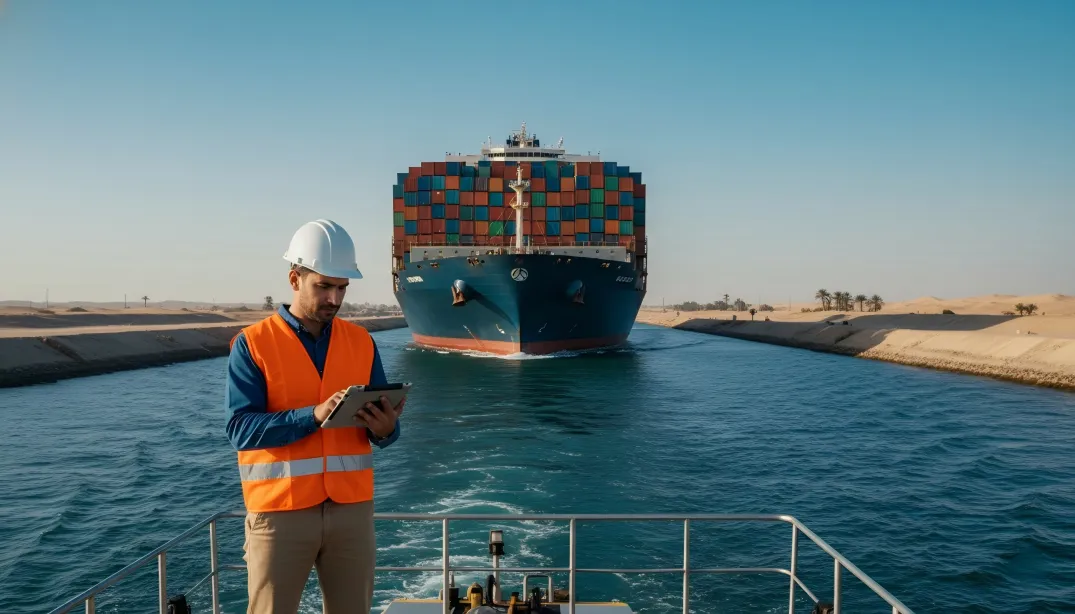
In the following sections, we will provide a comprehensive breakdown of the most critical elements you need to know. You will discover the strategic differences between FCL (Full Container Load) and LCL (Less than Container Load) shipping methods, get a transparent look at current freight costs and hidden surcharges, and review realistic transit times across major port pairs. Furthermore, we will dive deep into the strict Egyptian customs clearance process, particularly the mandatory ACID system, sharing insider tips on avoiding costly demurrage that you won't find in standard guides. By the end of this article, you will be equipped with the expert knowledge required to make informed logistics decisions and ensure your cargo arrives safely and on schedule.
1. Sea Freight from China to Egypt: FCL vs. LCL
When evaluating transportation modes for the China-Egypt trade lane, Sea Freight remains the undisputed backbone of international trade. It is by far the most economical and dominant choice, handling over 90% of the cargo volume between these two global hubs. However, choosing the right sea freight method is crucial for optimizing your shipping budget. You primarily have two options: Full Container Load (FCL) and Less than Container Load (LCL).
Full Container Load (FCL)
FCL shipping is the most cost-effective and secure method when you are transporting a large volume of goods. In an FCL arrangement, you rent the entire container exclusively for your cargo. This means your goods are not mixed with shipments from other importers, which significantly reduces the risk of damage, loss, or contamination. Furthermore, FCL shipments generally experience faster processing times at both the port of loading and the port of discharge because the container does not need to be unpacked and sorted at a Container Freight Station (CFS).
The standard container sizes used in FCL shipping are:
- 20-foot standard container (20GP): Ideal for dense, heavy cargo such as machinery, hardware, or raw materials. It holds roughly 33 Cubic Meters (CBM) of volume and can carry up to 28,000 kg.
- 40-foot standard container (40GP): Best suited for voluminous but relatively lighter goods, such as furniture, textiles, or consumer electronics. It holds about 67 CBM.
- 40-foot high cube (40HQ): Offers an extra foot of height compared to the standard 40GP, providing around 76 CBM of space. This is the preferred choice for maximizing cargo volume without a significant increase in the base freight rate.
Less than Container Load (LCL)
If your cargo volume is insufficient to fill an entire container—typically anything under 15 CBM—LCL shipping is the ideal solution. With LCL, your cargo is consolidated with goods from other shippers into a single container. You only pay for the exact volume your cargo occupies, calculated in Cubic Meters (CBM), making it a highly budget-friendly option for smaller shipments.
However, LCL does come with specific trade-offs. Because the container must be consolidated at the origin CFS and deconsolidated at the destination CFS, LCL shipments typically take a few days longer than FCL. Additionally, the handling involved in loading and unloading multiple shippers' goods slightly increases the risk of minor damage, making robust packaging absolutely essential.
Expert Recommendation
When should you choose FCL over LCL? As a general rule of thumb derived from our pricing models, if your shipment exceeds 15 CBM, upgrading to a 20-foot FCL container often becomes more economical than paying LCL rates. This is primarily due to the higher destination handling charges (DHC) and deconsolidation fees associated with LCL at Egyptian ports like Alexandria. Always evaluate your cargo volume, the urgency of your delivery, and your overall budget constraints before making a decision. Pro Tip: If your cargo is fragile, the reduced handling of FCL is worth the premium even if you don't fully utilize the space.
2. Major Shipping Ports for China-Egypt Trade
The efficiency and cost-effectiveness of your shipment heavily depend on the choice of departure and arrival ports. Selecting the optimal port pair can shave days off your transit time and reduce inland transportation costs.
Top Origin Ports in China
China boasts some of the most advanced and busiest port infrastructures in the world. The primary ports handling exports to Egypt include:
- Shanghai Port: Known as the world’s busiest container port, Shanghai provides extensive shipping routes, high-frequency vessel departures, and state-of-the-art logistics capabilities. It is the go-to port for exporters located in eastern and central China.
- Shenzhen & Guangzhou Ports: Located in the Pearl River Delta, these ports are ideal for manufacturers based in southern China. Shenzhen (including Yantian, Shekou, and Nansha) is renowned for its efficiency and rapid processing of consumer electronics and textiles.
- Ningbo-Zhoushan Port: A massive deep-water port situated south of Shanghai, Ningbo is an excellent alternative that often experiences less congestion during peak seasons, ensuring smoother loading operations.
Top Destination Ports in Egypt
Egypt’s strategic location at the crossroads of Africa, Asia, and Europe makes it a vital maritime hub. The primary ports of entry include:
- Alexandria Port: This is the primary Mediterranean port and the largest in Egypt, handling approximately 60% of the country's foreign trade. It is highly equipped to process massive container volumes efficiently.
- Port Said & Damietta: Located at the northern entrance of the Suez Canal, these ports are critical transshipment hubs and serve as excellent entry points for goods destined for northern Egypt.
- Sokhna Port: Situated on the western coast of the Red Sea, Sokhna is geographically closer to Cairo. For shipments arriving from Asia, routing through Sokhna can sometimes be faster as vessels do not need to transit the Suez Canal to dock.
Strategic Port Pairings
| Origin Port (China) | Destination Port (Egypt) | Strategic Advantage |
|---|---|---|
| Shanghai / Ningbo | Alexandria | Most frequent sailings; ideal for general cargo destined for the wider Egyptian market. |
| Shenzhen / Guangzhou | Sokhna | Faster transit from Southern China; excellent for goods heading directly to the Cairo metropolitan area. |
| Qingdao / Tianjin | Port Said | Good for heavy machinery and raw materials originating from Northern China; efficient canal access. |
3. How Much Does Container Shipping Cost?
Determining the exact cost of shipping a container from China to Egypt involves analyzing a complex matrix of variables. Freight rates are notoriously volatile and can fluctuate dramatically based on market dynamics.
Key Cost Factors
- Seasonality and Demand: Rates surge during peak seasons, notably in the weeks leading up to the Chinese New Year (January/February) and the global holiday shopping season (August to October). During these times, carriers often implement a Peak Season Surcharge (PSS).
- Fuel Prices: Ocean freight rates are heavily influenced by global oil prices. Carriers apply a Bunker Adjustment Factor (BAF) to account for fuel price volatility.
- Equipment Type: The size and type of container directly dictate the base rate. Naturally, a 40HQ will cost significantly more than a 20GP, though the cost per CBM is lower in the 40HQ. Special equipment, such as refrigerated (reefer) containers or open-top containers, commands a premium.
Estimated Freight Rates
While prices change constantly, the following Markdown table provides benchmark ocean freight rates to give you a realistic budget expectation. (Note: These are rough estimates for standard port-to-port transportation; always contact your forwarder for a real-time quote.)
| Shipping Method | Origin (China) | Destination (Egypt) | Estimated Cost (USD) |
|---|---|---|---|
| FCL (20GP) | Shanghai / Shenzhen | Alexandria / Sokhna | |
| FCL (40HQ) | Shanghai / Shenzhen | Alexandria / Sokhna | |
| LCL (Per CBM) | Major Chinese Ports | Major Egyptian Ports |
Beware of Hidden Fees
When calculating your landed cost, do not rely solely on the base ocean freight rate. Our transparency policy at AllBestShipping dictates that you must account for:
- Terminal Handling Charges (THC): Fees levied by the ports at both origin and destination for lifting the container on and off the vessel.
- General Rate Increases (GRI) & Bunker Adjustment Factor (BAF): Surcharges that carriers implement with little notice based on demand and fuel costs.
- Customs Duties and Taxes: Levied by the Egyptian government based on the HS code of your products.
- Cargo Insurance: While optional, it is highly recommended. The cost is typically a fraction of your cargo's commercial value (around 0.3% to 0.5%) but provides invaluable peace of mind against maritime disasters like General Average declarations.
Cost-Saving Tips
To optimize your logistics spend, it is imperative to partner with a reliable freight forwarder like AllBestShipping. A seasoned forwarder can leverage their volume contracts with major shipping lines to secure highly competitive rates, consolidate your LCL shipments efficiently, and audit your invoices to prevent unexpected destination charges. Furthermore, understanding Incoterms (such as FOB or CIF) is vital. Buying FOB (Free On Board) gives you, the buyer, complete control over the ocean freight costs and the choice of your freight forwarder, often leading to better overall pricing than letting the supplier handle the shipping under CIF terms.
4. Transit Times: How Long Does It Take?
Time is money in international trade. The typical ocean route from China to Egypt involves vessels crossing the South China Sea, navigating the Indian Ocean, entering the Red Sea, and either docking at Sokhna or transiting the Suez Canal to reach Mediterranean ports like Alexandria.
Estimated Transit Time
The duration of the voyage depends largely on whether the vessel offers a direct service or requires transshipment (e.g., stopping at hubs like Jeddah or Salalah to transfer containers to a feeder vessel).
| Origin Port (China) | Destination Port (Egypt) | Estimated Transit Time (Days) | Routing Type |
|---|---|---|---|
| Shenzhen / Guangzhou | Sokhna | 18 - 24 Days | Direct / Fast Transit |
| Shanghai / Ningbo | Sokhna | 22 - 28 Days | Direct / Transshipment |
| Shenzhen / Guangzhou | Alexandria | 24 - 30 Days | Suez Canal Transit |
| Shanghai / Ningbo | Alexandria | 26 - 35 Days | Suez Canal Transit |
Factors Causing Delays
While carriers provide estimated times of arrival (ETA), several factors can disrupt the schedule:
- Port Congestion: High cargo volumes can cause vessels to wait at anchorage for days before a berth becomes available.
- Adverse Weather: Typhoons in the South China Sea or heavy fogs can halt port operations and delay vessel departures.
- Blank Sailings: To artificially manage capacity and maintain freight rates, carriers sometimes cancel scheduled voyages (blank sailings), forcing your cargo to wait for the next available ship.
5. Navigating Egyptian Customs Clearance
The Egyptian customs clearance process is notoriously stringent. Failure to comply with the exact regulatory requirements will result in severe delays, hefty storage fines (demurrage), or even the confiscation of your goods.
Essential Required Documents
To clear customs smoothly, your documentation must be flawless. The standard required documents include:
- Commercial Invoice: Must clearly state the value, quantity, and description of the goods, matching the packing list exactly.
- Packing List: Details the weight, dimensions, and packaging type of every item in the container.
- Bill of Lading (B/L): The most critical document, acting as a receipt of cargo and a contract of carriage. For Egypt, original B/Ls are often required unless a Telex Release is explicitly permitted.
- Certificate of Origin: Proves where the goods were manufactured. For Egypt, this often needs to be legalized by the Egyptian embassy or consulate in China.
The ACID System and CargoX
Perhaps the most crucial aspect of importing into Egypt today is the Advance Cargo Information Declaration (ACID) system, implemented via the Nafeza platform. Importers must register on Nafeza and request an ACID number before the goods are loaded onto the vessel in China. This 19-digit number must be prominently displayed on all shipping documents, including the Bill of Lading and Commercial Invoice.
Furthermore, Egypt mandates the use of blockchain technology for document transfer. Chinese exporters must upload all required commercial documents through the CargoX platform, linking them to the specific ACID number. Expert Warning: If cargo arrives at an Egyptian port without a valid ACID number or proper CargoX transmission, it will be forcefully returned to the origin at the importer's expense. We have seen first-time importers face tens of thousands of dollars in reverse logistics costs because their supplier failed to upload a single document to CargoX.
Import Duties and Taxes
Egypt implements the internationally accepted Harmonized System (HS). Import tariffs for most commercial commodities range between 5% and 40%, depending on the nature of the goods. Luxury items and vehicles face significantly higher tariffs, while raw materials and essential industrial machinery may benefit from reduced rates. Value Added Tax (VAT), typically around 14%, is also applied to the CIF value plus customs duties.
Expert Advice
Engaging a licensed and experienced Egyptian customs broker is not just recommended; it is essential. Accurate HS code classification and meticulous adherence to the ACID protocols are critical to avoid demurrage, fines, or delays at congested ports like Alexandria or Sokhna.
6. Why Choose AllBestShipping for Your Egypt Imports?
When the stakes are high, you need a logistics partner you can trust. With over 10 years of senior freight forwarding experience specializing in the China-Middle East and North Africa trade lanes, AllBestShipping is your ultimate competitive advantage.
Our Value Proposition
- Unbeatable Rates: We leverage our decade-long relationships and massive volume commitments with top-tier ocean carriers (such as COSCO, Maersk, and MSC) to secure the most competitive container rates in the market.
- Guaranteed Space: During peak seasons when vessel space is critically tight, our priority loading agreements ensure your cargo never gets left behind.
- Seamless End-to-End Solutions: We don't just move boxes; we manage your entire supply chain.
Comprehensive Services Offered
- Door-to-Door Delivery: From the factory floor in Shenzhen to your warehouse in Cairo, we handle every step, including inland trucking and port drayage.
- Expert Customs Brokerage: Our dedicated compliance team meticulously guides you through the Nafeza registration, ACID generation, and CargoX uploads, ensuring zero delays upon arrival in Egypt.
- Cargo Insurance: We offer comprehensive, all-risk marine insurance policies to protect your financial interests against the unpredictable nature of global shipping.
7. Frequently Asked Questions (FAQ)
What is the cheapest way to ship goods from China to Egypt? If time is not a critical constraint, standard sea freight is overwhelmingly the cheapest method. For shipments over 15 CBM, booking a 20ft FCL container offers the best cost-per-unit ratio. For smaller shipments, LCL sea freight is the most economical choice.
Can I ship oversized cargo or dangerous goods in a standard container? Standard 20GP and 40HQ containers are not suitable for oversized cargo. For heavy machinery or out-of-gauge equipment, you will need specialized equipment like Open Top (OT) or Flat Rack (FR) containers, or even Breakbulk shipping. Dangerous Goods (DG) can be shipped in standard containers, but they require strict compliance with the IMDG Code, specialized packaging, Material Safety Data Sheets (MSDS), and carrier pre-approval.
How does the Egyptian ACID system affect my shipment process? The ACID system fundamentally shifts the documentation timeline. You can no longer ship goods and figure out the paperwork later. The importer must secure the ACID number via Nafeza before the Chinese supplier can even book the vessel or load the container. This requires tight coordination between the buyer, seller, and freight forwarder.
Is cargo insurance necessary for ocean freight to Egypt? While not legally mandatory, it is practically essential. Under international maritime law (such as the Hague-Visby Rules), the carrier's liability for damaged or lost cargo is strictly limited, often to just a few dollars per kilogram. Comprehensive cargo insurance protects the full commercial value of your goods against severe weather, vessel fires, container loss overboard, and even piracy in high-risk zones.
8. Conclusion
Successfully managing container Shipping from China to Egypt requires far more than simply booking a vessel. It demands a strategic approach to selecting the right shipping method (FCL vs. LCL), optimizing port pairings, anticipating fluctuating freight costs, and flawlessly executing the complex Egyptian customs clearance procedures. By understanding the critical importance of the ACID system and ensuring your documentation is pristine, you can protect your supply chain from catastrophic delays and hidden costs.
However, you don't have to navigate these turbulent waters alone. Partnering with a trustworthy, experienced freight forwarder is the ultimate key to a smooth import process.
Are you ready to optimize your logistics and reduce your shipping costs? Contact AllBestShipping today for a free, customized freight quote and a tailored logistics plan designed specifically for your business needs. Let our experts handle the heavy lifting while you focus on growing your business.