Shipping from Guangzhou to Uganda: The Complete 2026 Guide (Costs, Transit Times & Customs)
Are you losing money on freight quotes that sound cheap but balloon after your cargo reaches the border? For Ugandan importers sourcing from China, shipping from Guangzhou to Uganda is never a simple port-to-port transaction. Uganda is a landlocked country in East Africa — every container, every pallet, every parcel must first sail to a coastal port in Kenya or Tanzania, then travel another 1,100 kilometers overland before finally reaching Kampala. That single geographical fact changes everything about your logistics costs, transit timelines, and compliance requirements.
This guide is designed to eliminate the guesswork. Whether you are a B2B importer moving bulk construction materials, an e-commerce seller restocking electronics, or a small business owner navigating your first shipment from the Pearl River Delta, you will learn the exact shipping methods available in 2026, real transit times via the Northern and Central Corridors, current rate benchmarks for containers and air cargo, a complete PVOC compliance playbook, and a step-by-step process that takes your cargo from a Guangzhou factory floor to your warehouse in Uganda. As a professional freight forwarding brand based in Shenzhen with an operations center in Guangzhou, AllBestShipping has managed hundreds of shipments on the Shipping From China To Uganda route — and we are putting every hard-won lesson into this guide.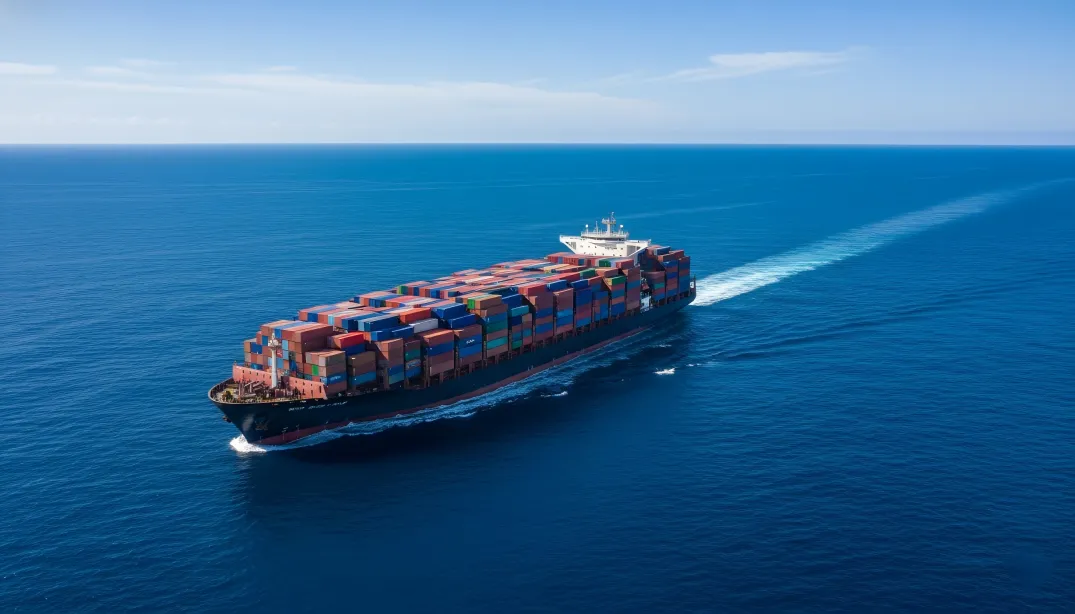
Why Ship from Guangzhou to Uganda? (Guangzhou's Strategic Edge)
When importing from China to East Africa, your choice of departure port matters just as much as your choice of freight forwarder. Guangzhou offers three strategic advantages that Shenzhen, Shanghai, and Ningbo cannot match for the Uganda trade lane.
Port of Guangzhou (Nansha) versus Shenzhen Yantian. Nansha is the primary deep-water port serving the Pearl River Delta's manufacturing heartland. For cargo originating in Foshan (ceramics, furniture), Huadu (leather goods, bags), Zhongshan (lighting, hardware), or downtown Guangzhou (textiles, electronics), the trucking distance from factory to Nansha is typically 50–120 km — half the distance to Yantian in eastern Shenzhen. Shorter domestic haulage translates directly into lower costs: trucking a 40HQ from a Foshan factory to Nansha runs approximately $150–250, versus $350–500 to Yantian. Nansha also offers frequent weekly sailings to Mombasa, Kenya, with transit times consistently in the 22–28 day range on direct services. For importers evaluating broader logistics options across the continent, explore our Shipping from China to Africa overview.
Guangzhou Baiyun International Airport (CAN) is China's third-busiest cargo hub and a critical gateway for Africa-bound air freight. For shipments to Entebbe International Airport (EBB) in Uganda, the most reliable routings are:
- Ethiopian Airlines (ET) via Addis Ababa: 2–4 days total, the most frequent connection to East Africa
- Qatar Airways (QR) via Doha: 3–5 days, excellent for electronics
- Emirates (EK) via Dubai: 3–5 days, strong capacity for general cargo
- Kenya Airways (KQ) via Nairobi: 4–6 days, convenient for last-leg trucking to Kampala
The Pearl River Delta industrial clusters are perfectly aligned with Uganda's import demand:
| Guangdong Cluster | Products | Uganda Market Demand |
|---|---|---|
| Foshan | Ceramic tiles, sanitary ware, aluminum profiles | Construction and infrastructure boom |
| Huadu | Leather bags, wallets, belts, footwear | Retail and wholesale markets |
| Zhongshan / Panyu | LED lighting, consumer electronics | Household and commercial electrification |
| Zhongda / Shahe | Textiles, garments, fabrics | Used clothing trade and retail fashion |
| Baiyun | Cosmetics, personal care, daily chemicals | Consumer goods and salon supplies |
For first-time buyers visiting China, Guangzhou also hosts some of the world's largest wholesale markets — Baima Clothing Market, Shahe Wholesale Market, and Zhongda Fabric District — all within a 30-minute drive of the Nansha port area. Sourcing directly from these markets and shipping from the same city eliminates inter-city logistics costs entirely.
Industry Insight: In our experience managing shipments from Guangdong to East Africa, we consistently find that importers who consolidate goods in a Guangzhou warehouse — rather than shipping from multiple Chinese cities — save 25–35% on combined inland trucking costs. One Kampala-based electronics importer we work with reduced his per-container logistics spend from $4,800 to $3,600 simply by routing all Foshan, Guangzhou, and Dongguan suppliers through our Nansha consolidation hub.
Guangzhou to Uganda: All Shipping Methods Compared (2026)
Importers shipping from Guangzhou to Uganda can choose from five distinct service levels. The right method depends entirely on your cargo volume, urgency, and budget. Here is the side-by-side comparison before we dive into each mode in detail:
| Shipping Method | Transit Time | Cost Benchmark | Best Cargo Type | Risk Level |
|---|---|---|---|---|
| Sea Freight FCL | 35–45 days | $1,950–$2,650 (20GP) | >15 CBM bulk cargo | Low |
| Sea Freight LCL | 40–55 days | $150–$250 / CBM | 1–15 CBM mixed loads | Moderate |
| Air Freight | 3–7 days | $3.65–$5.25 / kg | High-value, urgent | Low |
| Express Courier | 3–5 days | $12–$20 / kg | Documents, samples <30kg | Very Low |
| DDP Door-to-Door | 35–45 days | All-inclusive quote | Any volume, hassle-free | Very Low |
Sea Freight FCL (Full Container Load)
When your shipment exceeds 15 cubic meters, FCL shipping from Guangzhou to Uganda is the most cost-effective choice. You rent an entire container — sealed at the supplier's factory in Foshan or Guangzhou and only opened at your warehouse in Kampala. This single-seal journey minimizes handling and eliminates the risk of cargo mixing.
| Container Type | Internal Volume | Max Payload | Best For |
|---|---|---|---|
| 20GP | 28 CBM | ~22 tons | Dense cargo: tiles, machinery, metal products |
| 40GP | 56 CBM | ~26 tons | Voluminous goods: furniture, textiles |
| 40HQ | 68 CBM | ~26 tons | Lightweight bulk: garments, toys, packaging |
The route is Guangzhou Nansha → Indian Ocean → Mombasa Port → truck via the Northern Corridor → Kampala. For more details on how sea freight from China to Uganda compares with other lanes, see our dedicated service pages.
Sea Freight LCL (Less than Container Load)
For shipments between 1 and 15 CBM, LCL shipping from Guangzhou to Kampala lets you share container space with other importers and pay only for the cubic meters you use. For a deeper dive into how consolidation works and when LCL makes financial sense, read our LCL Shipping Guide. Your goods are consolidated at a Guangzhou warehouse, loaded into a shared container, and deconsolidated upon arrival at Mombasa or Dar es Salaam before onward trucking to Uganda.
The trade-off is time: LCL shipments typically take 5–10 days longer than FCL because the container must wait to fill before sailing and must be unpacked at the destination Container Freight Station (CFS) before clearing customs. There is also a modestly higher risk of minor damage from additional handling — proper packaging is essential.
Air Freight from Guangzhou to Entebbe
When speed is non-negotiable, air freight from China to Uganda delivers cargo to Entebbe International Airport in 3–7 days. This is the go-to option for high-value electronics, medical equipment, urgent spare parts, and fashion samples that cannot wait 35+ days for ocean transport.
Flights from Guangzhou Baiyun (CAN) to Entebbe (EBB) are almost always connecting services — direct CAN–EBB flights are rare. The most competitive routings transit through Addis Ababa (Ethiopian Airlines) or Dubai (Emirates), with total airport-to-airport times of 2–4 days plus 1–3 days for URA clearance at Entebbe.
Express Courier (DHL / FedEx / UPS)
For documents, product samples, or parcels under 30 kilograms, international express courier services offer 3–5 business day door-to-door delivery to Kampala and other major Ugandan cities. While the per-kilogram cost is the highest of any shipping method, the speed and simplicity — customs clearance is handled automatically by the carrier — make it the best choice for small, urgent shipments.
DDP Door-to-Door Shipping
DDP (Delivered Duty Paid) is increasingly the preferred choice for Ugandan importers who want a single, predictable landed cost. Under DDP terms, your freight forwarder handles pickup from the Guangzhou supplier, export customs clearance, ocean or air freight, import customs clearance with the Uganda Revenue Authority (URA), all duties and taxes, and final delivery to your doorstep in Kampala or beyond. You receive one all-inclusive price upfront — no surprise fees at the border, no separate clearing agent bills. If you would like to explore this service further, our Door-to-Door Shipping from China page walks through the complete DDP experience. We cover DDP in detail in a dedicated section below.
Transit Times: How Long from Guangzhou to Kampala?
If you only remember one number, remember this: sea freight from Guangzhou to Kampala takes 35 to 45 days door-to-door. But the total number hides a multi-leg journey where delays can pile up at each handoff. For a full breakdown with real-world case studies, see our dedicated guide on How Long to Ship from China to Uganda. Here is the leg-by-leg breakdown:
| Transit Leg | Duration | Key Factor |
|---|---|---|
| Ocean sailing (Nansha → Mombasa) | 22–28 days | Direct vs. transshipment routing |
| Mombasa port clearance & handling | 4–7 days | Documentation accuracy, port congestion |
| Inland trucking (Mombasa → Malaba border) | 2–3 days | ~1,100 km, road/weather conditions |
| Border crossing (Malaba / Busia) | 1–3 days | Pre-arrival declaration, document completeness |
| Final delivery (border → Kampala) | 1–2 days | Destination city proximity |
| Total Door-to-Door | 35–45 days | — |
For air freight, the timeline is significantly faster: Guangzhou Baiyun (CAN) to Entebbe (EBB) takes 3–7 days, including transit stops and URA clearance at the airport.
Origin port matters. Here is how transit times compare across major Chinese departure ports to Kampala via Mombasa:
| Origin Port | Ocean Transit | Total Est. to Kampala |
|---|---|---|
| Guangzhou (Nansha) | 22–28 days | 35–45 days |
| Shenzhen (Yantian) | 20–24 days | 32–40 days |
| Shanghai | 24–28 days | 34–42 days |
| Ningbo | 25–30 days | 36–45 days |
Mombasa versus Dar es Salaam. The vast majority of Guangzhou–Uganda cargo transits through Mombasa on the Northern Corridor. The alternative Central Corridor via Dar es Salaam, Tanzania, has a longer ocean leg (25–30 days from Nansha) and a longer overland segment through the Mutukula border. Dar es Salaam is worth considering only when Mombasa is experiencing severe congestion or when your final destination is in southern Uganda.
Real-Life Scenario: We recently managed a shipment of construction materials for a Kampala-based contractor. The ocean leg was smooth — 24 days from Nansha to Mombasa. But incomplete Certificate of Origin paperwork caused a 3-day delay at the Malaba border crossing. Once the documents were corrected via electronic resubmission, the truck cleared within 8 hours. Lesson: every single document matters. At AllBestShipping, we run a pre-departure document audit on every shipment to catch these issues before the vessel sails.
Shipping Costs: Guangzhou to Uganda Rate Breakdown (2026)
Budget transparency matters. Here are the current market benchmarks for shipping costs from Guangzhou to Uganda across all major modes. Note: all rates are estimates and fluctuate weekly with fuel surcharges, seasonal demand, and carrier capacity.
Container Shipping Rates (Guangzhou → Mombasa → Kampala)
| Container | Estimated Total Cost | Notes |
|---|---|---|
| 20GP | $1,950 – $2,650 | Includes ocean freight + inland haulage to Kampala |
| 40GP / 40HQ | $3,150 – $4,050 | Per-unit cost typically 40–50% lower than 20GP |
Critical Warning: Inland haulage from Mombasa to Kampala alone costs approximately $1,050–$1,550. This often exceeds the ocean freight component. Always request a Through Bill of Lading to Kampala so the shipping line or forwarder locks in the trucking rate — otherwise, you risk spot-market trucking surcharges upon arrival.
LCL (Less than Container Load) Rates
| Volume | Rate per CBM |
|---|---|
| 1–15 CBM | $150 – $250 |
Air Freight Rates (Guangzhou CAN → Entebbe EBB)
| Weight Bracket | General Cargo | Sensitive Cargo (Batteries, Liquids) |
|---|---|---|
| +45 kg | $4.55 – $5.25 / kg | $5.60 – $6.30 / kg |
| +100 kg | $4.05 – $4.75 / kg | $5.25 – $5.95 / kg |
| +500 kg | $3.65 – $4.20 / kg | $4.90 – $5.60 / kg |
| +1,000 kg | Negotiated contract rates | Negotiated contract rates |
Express Courier Rates
| Carrier | Rate |
|---|---|
| DHL / FedEx / UPS | $12 – $20 / kg |
Complete Landed Cost Calculation Example
Understanding freight rates is only half the picture. Here is a realistic landed cost calculation for a 20FT container of electronics (phones and accessories) shipped from Guangzhou to Kampala under FOB terms:
| Cost Component | Amount |
|---|---|
| Goods value (FOB Guangzhou) | $15,000 |
| Cargo insurance (0.5% of value) | $75 |
| Ocean freight (Nansha → Mombasa) | $2,300 |
| Inland trucking (Mombasa → Kampala) | $1,300 |
| CIF Kampala | $18,675 |
| Import Duty (25% on electronics) | $4,669 |
| VAT (18% of CIF + Duty) | $4,201 |
| Withholding Tax (6% of CIF) | $1,121 |
| Infrastructure Levy (1.5% of CIF) | $280 |
| Total Landed Cost | $28,946 |
The key takeaway: taxes and duties added $10,271 — nearly 55% on top of the CIF value. This is why DDP shipping, where duties are calculated and included upfront, is so valuable for accurate budgeting. Without it, you could easily underestimate your true costs by 40–60%.
Hidden Fees to Watch For
Some forwarders quote an attractively low ocean freight rate but leave out charges that hit you at the destination. Always confirm your quote includes:
- Demurrage and detention at Mombasa port (charges for keeping the container beyond free days)
- Port congestion surcharges (common during peak season)
- Border transit bonds and guarantee fees at Malaba or Busia
- Fuel surcharges on inland trucking (can fluctuate 10–20% month-to-month)
- Customs inspection fees if URA selects your shipment for physical examination
Industry Insight: We have seen cases where importers accepted a "cheap" $1,800 ocean freight quote, only to receive a $950 bill for demurrage and a $400 border bond fee upon arrival — wiping out any savings. At AllBestShipping, we provide an all-inclusive DDP quote that covers every line item, so you know your exact landed cost before the container leaves Guangzhou.
Step-by-Step: The Guangzhou-to-Kampala Shipping Process
For first-time importers, the shipping process can feel overwhelming. Broken down into four phases, it becomes manageable. If you need a broader primer on international logistics, start with our guide on How to Ship from China, then return here for the Uganda-specific details.
Phase 1: Pre-Shipment (Guangzhou Operations)
Everything starts at the supplier. Once your goods are ready:
- Factory pickup: A truck collects the cargo from your supplier in Foshan, Guangzhou, or Dongguan and delivers it to the consolidation warehouse near Nansha port.
- Quality check and labeling: Warehouse staff verify quantities against your packing list and inspect for visible damage. Most critically, they confirm every single item bears a "Made in China" label — missing labels are the number one cause of PVOC inspection failure.
- Multi-supplier consolidation: If you source from five different factories, all goods arrive at one Guangzhou warehouse. The team repacks them into space-optimized pallets, which can cut freight costs by up to 30% compared to shipping individual loose cartons.
- Proper packaging by cargo type: Different goods need different protection: - Electronics: Anti-static bags + foam cushioning + double-wall cartons - Textiles and garments: Moisture-proof poly bags inside corrugated boxes - Machinery and metal parts: Anti-rust oil coating + fumigated wooden crates (ISPM15 standard) - Ceramic tiles and glass: Individual foam separators + reinforced pallets with edge protectors
- Fumigation: Any wooden packaging materials (crates, pallets) must be heat-treated or fumigated per ISPM15 international standards. The fumigation certificate is required for customs clearance.
Real-Life Scenario: A Kampala boutique owner ordered 5 CBM of mixed goods — handbags from Huadu, dresses from Shahe, and shoes from Baiyun — from three different suppliers. By consolidating all three shipments in our Guangzhou warehouse, she saved $320 in freight versus shipping separately. We also caught and corrected a labeling issue on 30 handbag units before the PVOC inspector arrived, preventing a failed inspection and a 2-week delay.
Phase 2: Export Customs Clearance (Guangzhou)
China export customs clearance at Guangzhou Nansha or Baiyun requires:
- Commercial Invoice with accurate HS codes, descriptions, and declared values
- Packing List with gross weight and CBM per carton
- Sales Contract between the exporter and the Ugandan buyer
- Customs Declaration Authorization if using a broker
For e-commerce shipments, China Customs offers simplified clearance modes (9610 for B2C exports, 9710 for B2B e-commerce), which are faster than traditional general trade (0110) declarations for qualifying shipments. Your freight forwarder should advise which mode fits your cargo profile.
Phase 3: International Transit
Once cleared for export, your cargo embarks on the main journey. For sea freight: the vessel departs Nansha, crosses the South China Sea and the Indian Ocean, and arrives at Mombasa Port approximately 22–28 days later. For air freight: the flight departs Guangzhou Baiyun, transits through Addis Ababa, Dubai, or Doha, and lands at Entebbe within 1–2 days of air time (plus handling at both ends).
Throughout transit, you can track your cargo using the Bill of Lading (B/L) number or the container number through your forwarder's tracking portal or the shipping line's website.
Phase 4: Import Clearance and Inland Delivery
This is where Uganda's landlocked geography demands extra attention. Under the Single Customs Territory (SCT) framework between Kenya and Uganda, your goods are cleared with the Uganda Revenue Authority (URA) while still at Mombasa Port. You pay all Ugandan import duties and taxes before the truck leaves Kenyan soil. This eliminates a second round of customs at the border and speeds up the crossing.
The container is then loaded onto a heavy-duty truck for the 1,100-kilometer journey to Kampala. Key border crossings are Malaba (the busiest) and Busia (an alternative when Malaba is congested). With a Pre-Arrival Declaration filed electronically, a properly documented shipment can clear the border in under 24 hours. Without it, trucks can queue for 3–4 days.
Final delivery covers Kampala and surrounding areas including Entebbe, Jinja, Mukono, and Mbale. For more distant cities like Gulu or Mbarara, an additional 1–2 days of trucking is required.
Uganda Customs Clearance & PVOC Certificate: Your Compliance Playbook
If you take one thing from this guide, let it be this: never ship commercial goods to Uganda without a valid PVOC Certificate of Conformity (CoC).
Understanding the PVOC Program
The Pre-Export Verification of Conformity (PVOC) program is enforced by the Uganda National Bureau of Standards (UNBS). Its purpose is to ensure that imported goods meet Ugandan safety, health, and environmental standards before they leave China. Three authorized inspection agencies — SGS, Intertek, and Bureau Veritas — conduct the inspections on behalf of UNBS.
The penalty for arriving in Uganda without a valid CoC is severe: 15% of the CIF value of the goods, plus the cost and delay of a destination inspection — or outright rejection of the shipment.
The 4-Step PVOC Process
-
Submit RFC (Request for Certification): Your forwarder submits the application to the inspection agency along with your Commercial Invoice, Packing List, and product quality certificates (ISO, CE, or equivalent test reports).
-
Document Review: The agency verifies that your product test reports meet applicable Ugandan standards. If documents are incomplete, they will request additional evidence before scheduling the physical inspection.
-
Physical Inspection: An inspector visits the consolidation warehouse or factory in Guangzhou to verify: - Quantity matches the invoice - Each item carries a "Made in China" label - Packaging and product appearance meet quality standards
-
CoC Issuance: If the inspection passes, the Certificate of Conformity is issued within 2–3 business days. The digital CoC must accompany your shipment through every stage of the import process.
Products That Require PVOC
Almost all consumer goods are regulated. Key categories include:
- Electronics: Phones, computers, cables, sockets (must meet IEC standards)
- Automotive: Spare parts, tires, batteries
- Chemicals: Cosmetics, fertilizers, paints
- Textiles: Clothing, shoes, bedding (must carry fiber composition labels)
- Construction materials: Cement, steel bars, PVC pipes
Exempt goods: Raw materials intended for manufacturing (with an Industrial Exemption Letter from UNBS), personal effects, and diplomatic cargo.
URA Tax Structure
Uganda applies a cumulative tax system managed through the URA's ASYCUDA World electronic platform:
| Tax Type | Rate | Applied To |
|---|---|---|
| Import Duty | 0% / 10% / 25% / 35% | CIF Value |
| VAT | 18% | CIF + Import Duty + Excise Duty |
| Withholding Tax | 6% | CIF Value (waived for compliant taxpayers) |
| Infrastructure Levy | 1.5% | CIF Value |
The duty rate depends on the HS Code classification of your goods — 0% for raw materials and essential machinery, 25% for most finished consumer goods, and 35% for sensitive items like textiles and footwear.
Required Documents for URA Clearance
- Commercial Invoice with HS code, accurate description, and true transaction value
- Packing List with gross weight and CBM
- Bill of Lading (B/L) — ideally a Through BL to Kampala
- PVOC Certificate of Conformity (CoC)
- TIN (Tax Identification Number) registered on the URA portal
- Certificate of Origin (optional but may reduce duty under trade agreements)
Industry Insight: A URA audit is triggered most often by two things: undervaluation and missing documentation. URA maintains its own valuation database — if you declare a shipment of smartphones at $20 per unit but the URA database shows $80, they will assess duty on $80 and may impose penalties. Always keep your bank TT transfer records or Alibaba Trade Assurance receipts to prove the actual transaction value should URA query your declaration.
DDP Door-to-Door: The Hassle-Free Guangzhou-to-Uganda Solution
For many importers — especially small and medium businesses without a dedicated customs broker in Uganda — DDP (Delivered Duty Paid) shipping from Guangzhou to Uganda is the single most valuable logistics service available.
Under DDP terms, your freight forwarder handles everything: factory pickup in Guangzhou, China export customs clearance, ocean or air freight to Mombasa or Entebbe, URA import customs clearance, all duties and taxes, and final delivery to your specified address. You receive one all-inclusive price and pay nothing else.
DDP vs. FOB vs. CIF vs. EXW: Choosing the Right Incoterms
| Incoterm | Seller's Responsibility Ends | Buyer Handles | Best For |
|---|---|---|---|
| EXW | Factory gate | Everything — trucking, export, freight, import, duties, delivery | Large importers with their own logistics teams |
| FOB | Loaded onto vessel | Ocean freight, insurance, import clearance, duties, delivery | Buyers with a trusted freight forwarder |
| CIF | Arrival at destination port | Import clearance, duties, inland delivery | Buyers with a Ugandan customs broker |
| DDP | Buyer's doorstep | Nothing | SMEs, e-commerce sellers, first-time importers |
Real-Life Scenario: A Kampala-based auto parts dealer imported a 20FT container of motorcycle spare parts from Guangzhou using our DDP service. The all-inclusive DDP quote covered factory pickup, ocean freight, SCT clearance at Mombasa, URA duties and VAT, and final delivery to his shop in downtown Kampala. Total door-to-door time: 38 days. He paid a single invoice upfront and received his goods with zero border delays and zero surprise fees.
AllBestShipping's DDP service covers Kampala, Entebbe, Jinja, Mukono, Mbale, Mbarara, and Gulu. For towns outside these cities, delivery can be arranged with a small surcharge.
5 Common Mistakes Importers Make (And How to Avoid Them)
Learning from other people's failures can save you thousands of dollars and weeks of delay. Here are the five most frequent and costly mistakes we see on the Guangzhou–Uganda route.
1. Paying suppliers via personal bank accounts. URA requires proof that the importer actually paid the declared value to the supplier. Always use a corporate bank account for international wire transfers (TT) and ensure your TIN number is referenced in the payment. Personal account transfers leave no clear paper trail and can trigger a valuation audit.
2. Ignoring "Made in China" labels. Every single item — down to a phone case or a single pair of shoes — must carry a permanent "Made in China" marking. Without it, UNBS will reject the shipment during PVOC inspection. This is the single most common cause of inspection failure, and it is 100% preventable.
3. Buying EXW without a logistics plan. When a supplier quotes you an EXW price, they are promising to leave the goods at their factory door — nothing more. You are responsible for arranging truck pickup, port delivery, China export clearance, and everything downstream. Unless you already have a freight forwarder on the ground in Guangzhou, EXW terms can quickly turn into an expensive logistical nightmare.
4. Aggressively undervaluing goods. Declaring a $10,000 shipment as $2,000 to save on import duty is not a strategy — it is a compliance risk. URA's valuation database and risk profiling system flag suspiciously low declarations automatically. The outcome is typically a full physical inspection, reassessment at URA's benchmark values, and potential penalties.
5. Booking at the last minute during peak season. China to East Africa shipping experiences two major peak windows: the pre-Chinese New Year rush (January–February) and the pre-Christmas season (October–December). During these periods, vessel space tightens, rates spike, and rollovers become common. Book at least 4 weeks in advance during peak season.
Bonus — skipping cargo insurance. Marine cargo insurance costs approximately 0.1–0.3% of the shipment value. It covers risks including vessel accidents, fire, theft, rough handling, and road accidents during the inland leg. Skipping it to save $30 on a $15,000 shipment is not worth the exposure.
Frequently Asked Questions (FAQ)
What is the cheapest shipping method from Guangzhou to Uganda?
For shipments over 15 CBM, Sea Freight FCL offers the lowest cost per unit. For 1–15 CBM, Sea Freight LCL priced per cubic meter is the most economical. Air freight is significantly more expensive and should be reserved for urgent or high-value cargo.
How do I find a reliable freight forwarder in Guangzhou for Uganda shipments?
Look for a forwarder with a physical office or warehouse in Guangzhou, proven experience on the China–East Africa route, transparent all-inclusive pricing, and the ability to handle PVOC certification in-house. Ask for references from other Ugandan importers and verify their track record with Uganda Revenue Authority clearances.
Can I ship used goods or personal effects from Guangzhou to Uganda?
Yes. Personal effects and used household goods are generally exempt from PVOC requirements, provided you can demonstrate they are for personal use and not for commercial resale. Used commercial goods (e.g., used machinery) may require additional inspections.
Do I need an import license to bring goods into Uganda?
Commercial importers must have a Tax Identification Number (TIN) registered with URA. Some regulated products (pharmaceuticals, firearms, certain chemicals) require additional import permits from the relevant Ugandan authority. Under DDP terms, your freight forwarder manages the clearance — you still need the TIN, but the forwarder handles the paperwork.
What documents are needed for URA customs clearance?
The mandatory set includes: Commercial Invoice, Packing List, Bill of Lading or Airway Bill, PVOC Certificate of Conformity, and your TIN number. A Certificate of Origin is optional but can reduce duty rates on qualifying goods.
How do I track my cargo from Guangzhou to Kampala?
Your freight forwarder provides a tracking number linked to your Bill of Lading or container number. You can monitor the vessel's position during ocean transit and receive updates at each checkpoint: port departure, port arrival, border clearance, and final delivery.
What is the PVOC process and how long does it take?
The PVOC process has four steps: RFC submission, document review, physical inspection at the Guangzhou warehouse or factory, and CoC issuance. The total process takes 5–10 business days from application to certificate issuance, depending on document completeness and inspector availability.
Which route is better: Mombasa or Dar es Salaam?
Mombasa is the preferred route for Kampala-bound cargo — it offers shorter ocean transit from Guangzhou, a more mature Northern Corridor infrastructure, and faster border crossings at Malaba. For dedicated coverage of this corridor, see our Shipping From China To Kenya guide. Dar es Salaam via the Central Corridor is a viable alternative during severe Mombasa congestion or for cargo destined for southern Uganda — explore our Shipping From China To Tanzania page for details on the Tanzanian route.
Can I ship batteries or liquids from Guangzhou to Uganda?
Yes, but these are classified as Dangerous Goods (DG). They require specialized packaging, DG labeling, and a Material Safety Data Sheet (MSDS). Air freight and sea freight both accept DG cargo, but surcharges apply and advance booking is essential.
What happens if my cargo is delayed at the Kenya-Uganda border?
Border delays — most commonly due to incomplete documentation, system outages in the ASYCUDA platform, or congestion during peak periods — can add 2–4 days to your transit time. Working with a forwarder that uses electronic Pre-Arrival Declarations and has agents stationed at both Malaba and Busia significantly reduces this risk.
Conclusion: Your Next Steps for Guangzhou-Uganda Shipping
Shipping from Guangzhou to Uganda does not have to be complicated — but it does require planning. Here are the three most important lessons from this guide:
-
Guangzhou is your strategic logistics hub. Proximity to Pearl River Delta factories, Nansha port's frequent Africa sailings, and Baiyun Airport's East Africa connections make Guangzhou the most cost-effective departure point for Uganda-bound cargo from southern China.
-
Choose your mode based on the numbers, not guesswork. Sea freight FCL delivers the lowest cost per unit for shipments over 15 CBM (35–45 days). Air freight saves the day for urgent cargo (3–7 days). DDP door-to-door eliminates the administrative burden entirely — one price, one partner, zero surprises.
-
PVOC is not optional — it is the gatekeeper. Get your Certificate of Conformity before the container leaves Guangzhou. Without it, your cargo faces a 15% CIF penalty, weeks of delay, or outright rejection at the Ugandan border.
Ready to ship from Guangzhou to Uganda? At AllBestShipping, our Guangzhou operations team handles every step of the process — from factory pickup at Nansha to final DDP delivery at your door in Kampala, Jinja, or beyond. With a physical warehouse in Guangzhou, a dedicated East Africa documentation team, and over 1,000 satisfied clients across 50+ countries, we deliver the transparency and reliability that Ugandan importers deserve.
Contact AllBestShipping today for a free, all-inclusive DDP quote tailored to your cargo profile.