Door to Door Shipping from China to South Africa: A Complete Guide (2026)
Most importers from South Africa waste days chasing suppliers in China, coordinating with customs brokers, and booking local trucks separately—only to get hit with surprise fees at the congested Durban port.
If you want to eliminate these logistical headaches, Door to Door Shipping from China to South Africa bundles the entire supply chain into one quote, one contact point, and one tracking number. And when your freight forwarder is physically based in China—like our Shenzhen team—you skip the markup and communication delays that come with third-party agents.
Whether you are a seasoned B2B importer or a growing e-commerce seller, understanding what door-to-door (D2D) logistics actually includes is critical. In this comprehensive guide, we will break down how to choose between DDP and DDU Incoterms, provide realistic costs and transit times for both air and sea freight, and show you how to avoid the most common import mistakes in 2026.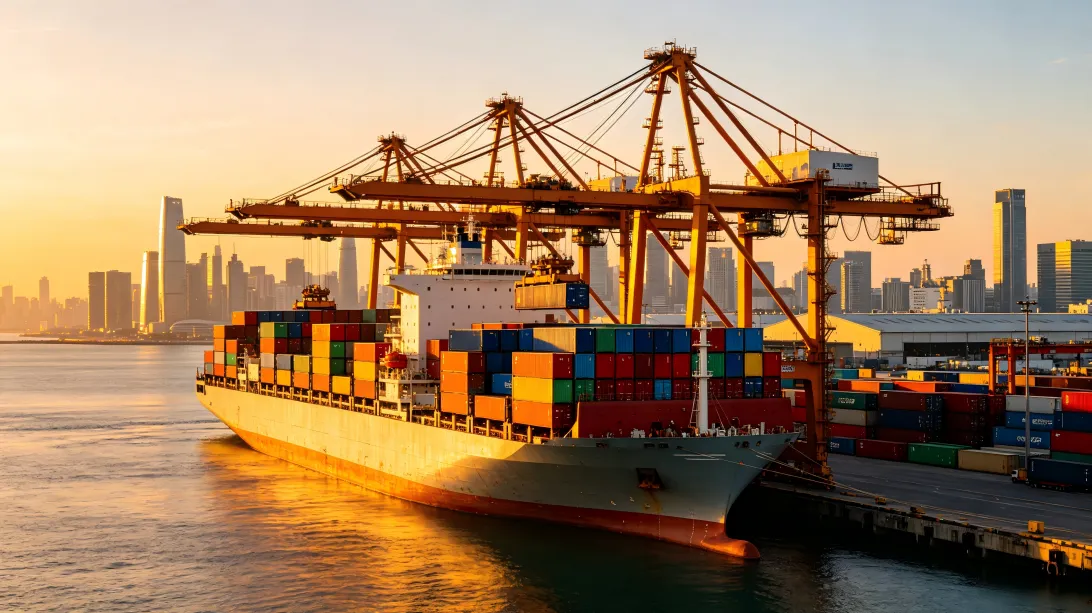
What Is Door-to-Door Shipping and Why Use It?
At its core, a Door-to-Door Service is an end-to-end logistics solution. It covers pickup at your supplier’s premises in China, export customs clearance, international transport, South African import customs, and final delivery directly to your designated address in South Africa (such as Johannesburg, Cape Town, or Durban).
Unlike standard port-to-port freight, where your responsibility begins the moment the cargo arrives at the destination port, door-to-door freight from China to South Africa ensures that a single professional freight forwarder manages every handoff.
Why is it essential for this specific trade lane?
The logistics route from China to South Africa involves traversing the Indian Ocean, navigating strict South African Revenue Service (SARS) customs requirements, and often managing long inland trucking routes from Durban to Gauteng. Self-managing these steps is risky for businesses without a dedicated logistics team.
What most destination-country forwarders won't tell you: they rely on third-party agents in China for pickup and export handling. A China-based freight forwarder like AllBestShipping manages your cargo at the source—no middlemen, no agent fees, and faster problem resolution when something goes wrong at the factory or port.
By opting for door to door delivery from China to South Africa, B2B importers gain: - Cost Predictability: A comprehensive landed-cost quote helps you avoid surprise destination terminal handling charges (THC) and demurrage fees. - Time Savings: You do not need to juggle multiple vendors across different time zones. - Risk Reduction: Professional packing, loading supervision, and cargo insurance minimize the risk of damage and customs delays.
DDP vs DDU: Choosing the Right Incoterm
When booking a door-to-door shipment, you must choose the right Incoterms 2020 rule to dictate who pays the destination taxes. The two most common terms for this service are DDP and DDU.
DDP (Delivered Duty Paid)
With DDP shipping from China to South Africa, the freight forwarder pays all import duties, VAT, and customs clearance fees before the final delivery. - Best for: E-commerce sellers, Amazon FBA shippers, first-time buyers, and importers who do not have their own South African customs broker. - Pros: You get a 100% predictable landed cost and minimal involvement in the customs process. - Cons: The upfront quote is slightly higher, as the forwarder assumes the financial risk of paying taxes on your behalf.
DDU (Delivered Duty Unpaid)
With DDU shipping from China to South Africa (often referred to as DAP - Delivered at Place in newer Incoterms), the buyer is responsible for handling duties and VAT upon arrival. The forwarder delivers the goods to your door only after SARS releases the shipment. - Best for: Established importers who already have a trusted local broker or who want to optimize cash flow by paying taxes directly to the government. - Pros: You maintain direct control over your customs relationship and may secure a lower initial service fee. - Cons: You absorb the risk of customs delays and unexpected local charges.
Our Industry Insights "One of our long-term clients—a Cape Town-based furniture importer—saves roughly 8% on landed costs each quarter by using DDU with their own local broker instead of DDP. While DDP is a hassle-free option for many e-commerce sellers, if you have your own customs broker in South Africa, choosing DDU with our standard door-to-door service might be more cost-effective for large B2B wholesale shipments."
Cost and Transit Time Guide: Air vs. Sea Freight
Choosing the right transport mode is crucial for balancing your budget and inventory needs. Here is a breakdown of door to door sea freight from China to South Africa versus air freight.
Sea Freight Door-to-Door (FCL & LCL)
- Best for: Bulk shipments, heavy machinery, furniture, and regular inventory restocking.
- Transit Time: Typically 35–45 days (port-to-door via Durban).
- Cost Signal:
- LCL (Less than Container Load): ~$150–$300 per CBM all-in DDP to Johannesburg.
- FCL (Full Container Load): A 20’GP container costs roughly ~$2,200–$3,200 all-in to Johannesburg.
Air Freight Door-to-Door
- Best for: Urgent, high-value, or perishable goods (usually between 100 kg and 1,000 kg).
- Transit Time: 8–16 days for standard DDP air freight.
- Cost Signal: ~$4.2–$7.5 per kg all-in DDP.
Courier/Express Door-to-Door
- Best for: Product samples and small parcels under 50 kg.
- Transit Time: 3–7 days via major carriers like DHL or FedEx.
- Cost Signal: ~$10–$15 per kg all-in DDP.
| Shipping Mode | Best For | Average Transit Time | Estimated Cost Range (DDP) |
|---|---|---|---|
| Sea Freight (LCL) | 1-15 CBM, mixed cargo | 35–45 Days | $150 – $300 / CBM |
| Sea Freight (FCL 20') | >15 CBM, bulk orders | 35–45 Days | $2,200 – $3,200 / Container |
| Air Freight | 100kg - 1,000kg, urgent | 8–16 Days | $4.2 – $7.5 / kg |
| Express Courier | <50kg, samples, docs | 3–7 Days | $10 – $15 / kg |
Note: The door to door shipping from China to South Africa cost fluctuates based on peak season demand (expect 10%–30% surcharges from October to December), fuel surcharges, and the specific destination city.
The Step-by-Step Door-to-Door Process
Understanding how long does door to door shipping take requires looking at the entire operational flow. Here is the standard 6-step process:
- Quote Request & Booking: You provide cargo details, preferred Incoterm (DDP/DDU), and the exact pickup and delivery addresses.
- Supplier Pickup in China: Unlike destination-country forwarders who outsource this step to local Chinese agents, a Shenzhen-based forwarder dispatches its own team to collect goods directly from the supplier's factory in manufacturing hubs like Shenzhen, Guangzhou, or Shanghai—giving you faster pickup and direct accountability.
- Origin Handling & Export Customs: The cargo is brought to a warehouse for consolidation, palletization, and Chinese export clearance.
- International Transit: The goods are loaded onto a vessel or aircraft and transported to a major South African port (like Durban or Cape Town) or OR Tambo International Airport.
- South Africa Import Clearance: The forwarder (or your broker) submits the Customs Clearance documents to SARS and settles any applicable Duties and Taxes.
- Last-Mile Delivery: Once released, local trucks transport the cargo to your final address in Johannesburg, Pretoria, or elsewhere.
Common Pitfalls and How to Avoid Them
Even with a full-service logistics solution, importers can make costly mistakes. Here is how to protect your supply chain:
- Ignoring Hidden Fees: Choosing the absolute cheapest quote without verifying what is included can be disastrous. Ensure your quote explicitly covers Destination THC, warehousing, and remote-area delivery surcharges.
- Customs Misdeclarations: Providing an incorrect HS Code or artificially lowering the commercial invoice value can lead to severe SARS fines, cargo inspections, and weeks of delays. Always declare accurately.
- Timing Mistakes: The Port of Durban is notorious for peak-season congestion (October to December). Book your shipments at least 3-4 weeks in advance during this period.
- Skipping Cargo Insurance: The journey from a Chinese factory to a warehouse in Johannesburg involves multiple handling points. Always purchase comprehensive freight insurance to protect against damage or loss.
Pro Tip: Not sure if your HS codes are correct or worried about hidden destination fees? Our team offers a free pre-shipment document review—contact us before booking and we'll flag potential issues before they become costly delays.
Real-Life Scenario "Navigating peak season capacity crunches at Durban port is a major challenge. Recently, a Johannesburg-based electronics importer we serve avoided 14 days of port demurrage by utilizing our pre-clearance process and routing the container directly to the City Deep inland depot."
Why Choose AllBestShipping for Your South Africa Imports
When it comes to international logistics, proximity to the source matters. As a professional freight forwarder from China based in Shenzhen, AllBestShipping offers unparalleled advantages for your imports:
- Fast Origin Handling: Our Shenzhen warehouse—located just 30 minutes from Yantian port—enables rapid supplier pickup across South China's manufacturing belt and direct sailings from major ports like Yantian and Shekou.
- Full-Service D2D: We handle everything from factory pickup and export customs to ocean/air freight, SARS clearance, and last-mile delivery—with real-time tracking at every stage.
- Amazon FBA Expertise: We provide specialized Amazon FBA door to door shipping China to South Africa, ensuring your goods meet all local fulfillment center requirements including labeling and packaging compliance.
- Transparent Quotes: Every AllBestShipping quote includes all origin charges, freight, destination THC, customs brokerage, and last-mile delivery—no surprise fees after booking.
FAQs
What is the cheapest way to ship door-to-door from China to South Africa?
For shipments larger than 1 CBM, door-to-door sea freight (LCL) is the most cost-effective method. If you have enough volume (over 15 CBM), booking an FCL (Full Container Load) will give you the lowest per-unit cost.
How long does door-to-door shipping take from China to South Africa?
Door-to-door air freight takes about 8 to 16 days, while door-to-door sea freight typically takes between 35 and 45 days, depending on customs clearance speeds and the final inland delivery destination.
Do I need a customs broker in South Africa if I use DDP?
No. When you choose DDP shipping, the freight forwarder utilizes their own network of licensed customs brokers to clear the goods through SARS and pay all applicable duties and VAT on your behalf.
How are duties and VAT calculated in South Africa?
Import duties vary from 0% to 45% depending on your product's HS Code. Additionally, South Africa applies a standard 15% VAT, which is calculated based on the Added Tax Value (ATV)—usually the customs value plus a 10% uplift, plus the import duty.
For a quick estimate: a shipment with a customs value of $5,000 and a 20% duty rate would incur $1,000 in import duty. ATV = ($5,000 × 1.1) + $1,000 = $6,500. VAT = $6,500 × 15% = $975. Total taxes due = $1,000 + $975 = $1,975.
Conclusion
Managing international trade doesn't have to be a logistical nightmare. By utilizing Door to Door Shipping from China to South Africa, you can streamline your supply chain, accurately forecast your landed costs, and focus on growing your core business. Whether you need the speed of air freight or the cost-efficiency of sea freight, choosing the right Incoterm (DDP or DDU) and partnering with an experienced forwarder is the key to success.
Ready to simplify your imports? Get a door-to-door quote for your specific cargo within 24 hours—just tell us your pickup city in China and delivery address in South Africa. Our Shenzhen-based team will handle everything from the factory floor to your front door.