Container Shipping from China to Germany: The Complete 2026 Guide (FCL, LCL & DDP)
Germany is China's largest trading partner in Europe, but fluctuating ocean freight rates and complex customs procedures are eating into the profit margins of many importers. Shippers often struggle with choosing between FCL and LCL, navigating hidden destination port fees (like THC and DDO), and handling strict German customs rules regarding VAT, EORI, and CE certifications. If you want to optimize your logistics budget, understanding the nuances of Container shipping from China to Germany is non-negotiable. This comprehensive guide breaks down the cheapest and most efficient ways to ship a container to Germany, the real transit times to ports like Hamburg and Bremerhaven, an exclusive checklist for German customs clearance, and how to avoid hidden fees.
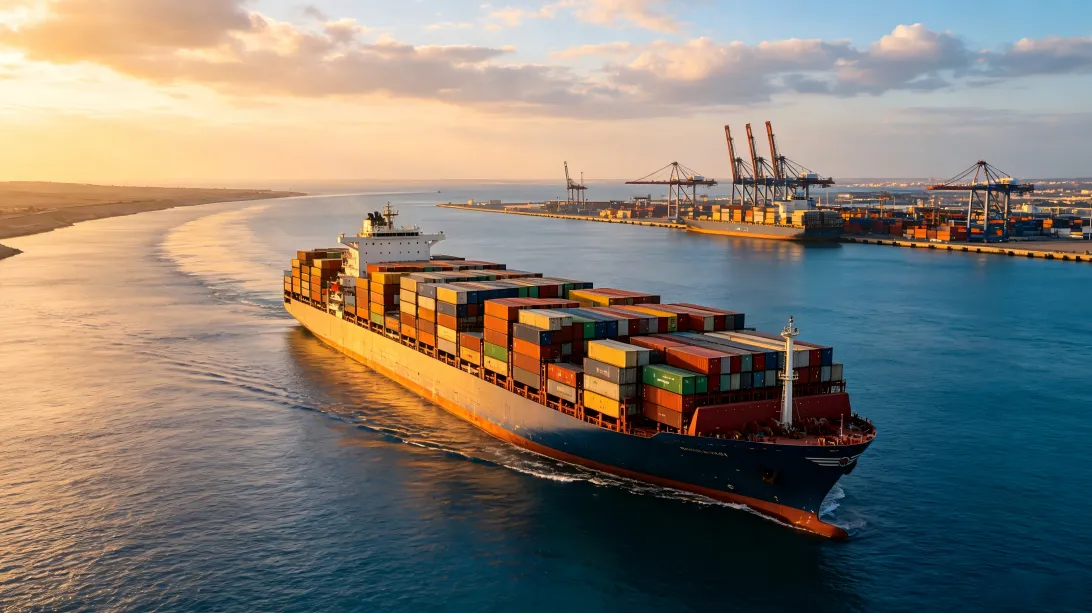
Sea Freight from China to Germany: FCL vs. LCL
When importing goods by sea, you generally have two main choices: FCL (Full Container Load) and LCL (Less than Container Load). Understanding the difference is the first step toward securing the cheapest way to ship a container to Germany from China.
FCL means you book an entire container (usually a 20ft or 40ft/40HQ unit) exclusively for your cargo. It provides maximum security, faster transit times since there is no consolidation/deconsolidation process, and fixed pricing per box. On the other hand, LCL is designed for smaller shipments where your goods share container space with other shippers. While you pay per cubic meter (CBM), the handling process at both ends adds time and potential risk. If you are also shipping to other European nations, we offer dedicated Shipping From China to France and Shipping From China to Italy services.
The 13-15 CBM Rule: When should you switch from LCL to FCL? As a rule of thumb, if your cargo volume exceeds 13 to 15 CBM, it is often more cost-effective to book a dedicated 20ft container rather than paying the per-CBM LCL shipping rates from China to Germany. This crossover point is crucial for small and medium-sized enterprises (SMEs) looking to optimize their B2B logistics solutions China to Europe.
Shipping Costs & Transit Times (2026 Data)
Knowing the current market rates and realistic schedules helps you plan inventory replenishment and manage cash flow effectively. Here is a breakdown of FCL container shipping from China to Germany cost and transit times for 2026.
| From Port (China) | To Port (Germany) | 20ft FCL Rate (USD) | 40ft/40HQ FCL Rate (USD) | Transit Time (Days) |
|---|---|---|---|---|
| Shanghai | Hamburg | $2,000 – $2,800 | $3,500 – $4,800 | 28 – 35 |
| Shenzhen | Hamburg | $2,100 – $2,900 | $3,600 – $5,000 | 29 – 36 |
| Ningbo | Bremerhaven | $2,000 – $2,750 | $3,400 – $4,700 | 28 – 34 |
| Qingdao | Hamburg | $2,200 – $2,950 | $3,600 – $5,100 | 32 – 38 |
(Note: Rates are estimated as of mid-2026 and exclude destination customs duties, taxes, or local handling charges. LCL rates generally range from $65 to $90 per CBM.)
To secure the cheapest way to ship a container to Germany from China, avoid shipping during peak seasons (August to October, and right before the Chinese New Year) when surcharges apply. Additionally, consolidating shipments efficiently can dramatically reduce per-unit costs.
While sea freight from China to Germany transit time hovers around 30 days, if you have urgent cargo under 500kg, Air Freight (3-7 days) is the best alternative, albeit much more expensive ($4.50–$7.80/kg). For a middle-ground solution, Rail Freight via the China-Europe Railway Express takes 14-22 days and costs significantly less than air transport.
Door to Door Container Shipping from China to Germany
For many businesses lacking dedicated logistics teams, door to door container shipping from China to Germany is the ultimate hassle-free solution. This service covers every step: picking up goods from the Chinese factory, handling export clearance, managing the ocean freight, completing German import clearance, and delivering the cargo directly to your warehouse or an Amazon FBA center.
Understanding Incoterms (FOB, CIF, EXW, DDP) to Germany is critical here. While FOB (Free on Board) and CIF (Cost, Insurance, and Freight) are common for traditional B2B imports, DDP (Delivered Duty Paid) is increasingly popular. Under DDP, the freight forwarder handles all transportation costs, customs duties, and taxes.
However, there is a legal trap with DDP. If the forwarder clears the goods using their own VAT number instead of yours, you lose the right to reclaim the 19% import VAT. For standard commercial imports, DAP (Delivered at Place) combined with your own customs broker—or using a transparent forwarder who clears goods under your EORI—is often safer.
For e-commerce sellers, Amazon FBA shipping to Germany from China requires specialized door-to-door solutions. Forwarders must ensure the cargo is palletized, labeled according to Amazon’s strict guidelines, and delivered within the designated warehouse appointment window.
Navigating Customs Clearance in Germany (The Ultimate Checklist)
Smooth Hamburg / Bremerhaven port customs clearance is vital to avoid demurrage fees and supply chain delays. Germany enforces strict EU regulations. Here is your ultimate checklist for import duties, VAT and customs in Germany:
- EORI Number: An Economic Operators Registration and Identification number is mandatory for all businesses importing goods into the EU.
- Commercial Invoice & Packing List: These must accurately detail the value, quantity, and description of the goods, including correct HS Codes (Harmonized System codes) which determine your duty rates (typically 0% to 12%).
- Bill of Lading (B/L): The official contract of carriage and receipt of cargo.
- Value-Added Tax (VAT): Germany applies a standard 19% import VAT calculated on the CIF value plus customs duties.
- Product Certifications: If you are importing electronics, machinery, or toys, a valid CE Certificate is legally required to prove compliance with EU safety standards.
How to Avoid Hidden Fees at German Destination Ports
One of the biggest complaints from importers is unexpected destination charges. When you hire an ocean freight forwarder China to Germany, a quote that looks incredibly cheap upfront might hide exorbitant fees at the destination port.
Common hidden fees include: - THC (Terminal Handling Charges): Fees for loading and unloading containers at ports like Hamburg. - DDO (Delivery Order Fees): Administrative fees charged by the destination agent to release the cargo. - Customs Inspection Fees: Charges incurred if German customs select your container for a random X-ray or physical inspection.
Pro Tip: Always request a comprehensive, itemized quote. Ask your forwarder to clearly list all origin, freight, and destination charges. Transparency is key to avoiding budget blowouts.
Conclusion & Why Choose AllBestShipping
Successfully managing Container shipping from China to Germany requires a deep understanding of FCL vs. LCL thresholds, current transit times, Incoterms, and strict German customs regulations. By partnering with the right logistics expert, you can avoid hidden fees, optimize your supply chain, and protect your profit margins.
At AllBestShipping, a professional freight forwarder headquartered in Shenzhen, China, we specialize in providing transparent and flexible logistics solutions without hidden fees. Whether you need standard FCL/LCL ocean freight, fast air cargo, or comprehensive Door-to-Door DDP services for your Amazon FBA business, our global network covering 50+ countries ensures your cargo arrives safely and on time. If you have inquiries about other routes, such as Shipping from Shenzhen to Germany, we are here to assist.
Need a reliable and transparent quote for your next container shipment to Germany? Contact AllBestShipping today for a tailored logistics solution.
FAQs (Frequently Asked Questions)
How long does a container ship take from China to Germany? Port-to-port transit times typically range from 28 to 38 days, depending on the origin port in China (e.g., Shanghai, Shenzhen) and the destination port in Germany (e.g., Hamburg, Bremerhaven). Door-to-door delivery usually adds another 7 to 14 days for pre-carriage and final delivery.
How much does it cost to ship a 40ft container from China to Germany? As of mid-2026, shipping a 40ft or 40HQ container from major Chinese ports to Germany costs between $3,400 and $5,100. Rates fluctuate based on fuel costs, seasonal demand, and specific routing.
Do I need an EORI number to import goods into Germany? Yes. Any business or individual importing goods commercially into Germany (and the EU) must possess an EORI (Economic Operators Registration and Identification) number for customs declarations.
What is the difference between DDP and FOB when shipping to Germany? Under FOB (Free on Board), the supplier pays costs up to loading the goods on the vessel in China; you pay for ocean freight, insurance, and German import duties/taxes. Under DDP (Delivered Duty Paid), the seller or forwarder covers all costs, including German customs duties, taxes, and final delivery to your door.
How can I track my sea freight shipment to Hamburg? Most reliable freight forwarders and shipping lines provide a tracking number or Bill of Lading (B/L) number. You can enter this number on the carrier's website or your forwarder's tracking portal to get real-time updates on your container's location.