Shipping from Guangzhou to Canada: The Ultimate Guide (2026)
Shipping from Guangzhou to Canada is a critical logistics route for businesses connecting the manufacturing powerhouse of Southern China with the growing North American market. Whether you are sourcing electronics from Nansha or textiles from Huangpu, understanding the nuances of this route can save you thousands of dollars and weeks of transit time.
Importers often face hidden costs, unexpected delays at the Port of Vancouver, and confusing customs regulations. As a freight forwarding expert with over a decade of experience, I have seen how a well-planned logistics strategy can be a competitive advantage.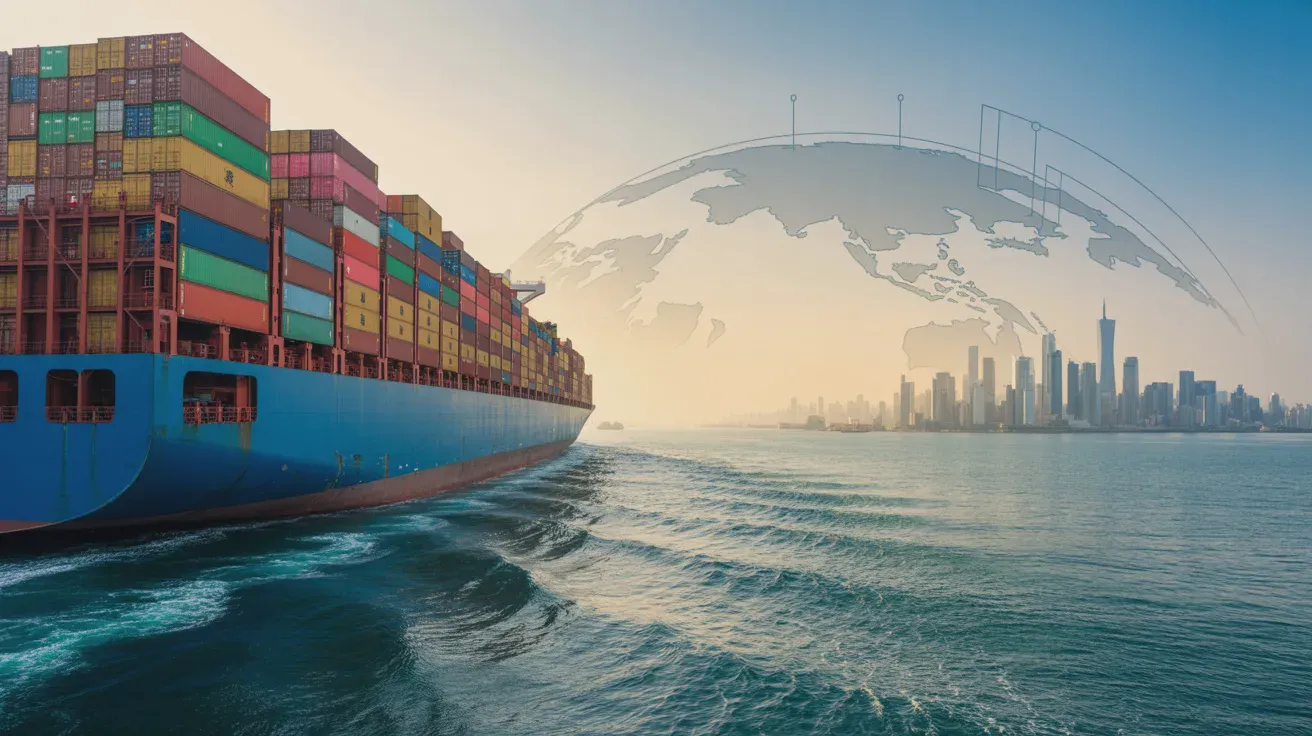
This comprehensive guide breaks down shipping methods, current costs for February 2026, transit times, and customs procedures. Plus, we'll show you how AllBestShipping can streamline your supply chain with tailored solutions.
1. Shipping Methods from Guangzhou to Canada
Choosing the right mode of transport depends on your budget, cargo volume, and urgency. Here are the three main options.
1.1 Ocean Freight (The Most Economical Choice)
For most businesses, Ocean Freight is the backbone of their supply chain. It is significantly cheaper than air freight, especially for shipments weighing over 500 kg.
FCL (Full Container Load): If your shipment volume is over 15 CBM (cubic meters), booking a full container is usually the most cost-effective option. You have exclusive use of the container, reducing the risk of damage.
- 20ft Container: Holds ~33 CBM. Ideal for heavy goods.
- 40ft Container: Holds ~67 CBM. Ideal for bulky but lighter goods.
LCL (Less than Container Load): For smaller shipments (1-15 CBM), LCL allows you to share container space with other importers. You only pay for the volume you use. Check our LCL Shipping Guide for more details.
Fast Sea Shipping: Some carriers offer premium expedited services (like Matson via transshipment or direct express loops) that can cut transit times to the West Coast by 5-7 days.
1.2 Air Freight (The Balance of Speed and Cost)
When time is money, Air Freight is the solution. It is ideal for high-value electronics, seasonal fashion, or urgent restocking.
- Weight Range: Best for shipments between 150 kg and 500 kg.
- Standard Air Freight: Goods are shipped from Guangzhou Baiyun International Airport (CAN) to major Canadian airports like Toronto Pearson (YYZ) or Vancouver (YVR).
- Air Charter: For massive project cargo or extreme urgency, chartering an entire aircraft is an option, though significantly more expensive.
1.3 Express Shipping (The Fastest Option)
For samples, documents, or small parcels under 150 kg, Express Shipping (Courier) is unbeatable.
- Major Carriers: DHL, FedEx, UPS.
- Service: Door to Door Shipping from China to Canada is standard, meaning the courier handles customs clearance (though duties are billed to you).
- Speed: Can be as fast as 2-3 days.
2. Shipping Costs from Guangzhou to Canada (Updated Feb 2026)
Freight rates fluctuate based on fuel prices, seasonal demand, and capacity. As of February 2026, we are seeing a stabilization in Trans-Pacific rates following the post-CNY (Chinese New Year) adjustments. Below are estimated market rates. Note: These are estimates; for a precise quote, contact AllBestShipping.
Ocean Freight Rates
| Container Type | To Vancouver (West Coast) | To Toronto/Montreal (East Coast) |
|---|---|---|
| 20ft Container (FCL) | ||
| 40ft Container (FCL) | ||
| LCL (per CBM) | ~$150 | ~ |
Air Freight Rates
Air freight is calculated based on Chargeable Weight, which is the higher of the actual weight or the volumetric weight (Length x Width x Height / 6000). Example: A large but light box of pillows will be charged by volume, not dead weight.
| Weight Bracket | Estimated Cost (USD/kg) |
|---|---|
| +100 kg | |
| +300 kg | |
| +500 kg | |
| +1000 kg |
Additional Fees to Consider
- Port Security Fee (ISPS)
- Terminal Handling Charges (THC)
- Documentation Fees: Bill of Lading, Export Declaration.
- Peak Season Surcharges (PSS): Common before Chinese New Year and during the Q4 holiday rush. Pro Tip: Booking 3-4 weeks in advance during peak season can sometimes help you avoid last-minute spot rate surges.
3. Transit Time: How Long to Ship from China to Canada?
Transit time varies significantly by mode and destination. Weather conditions and port congestion (particularly at the Port of Vancouver) can also impact these estimates.
| Shipping Mode | Guangzhou to Vancouver | Guangzhou to Toronto/Montreal |
|---|---|---|
| Ocean Freight (FCL/LCL) | 18 - 25 Days | 30 - 45 Days (via Rail/Canal) |
| Standard Air Freight | 3 - 5 Days | 5 - 7 Days |
| Express (DHL/UPS) | 2 - 4 Days | 3 - 5 Days |
Pro Tip: For inland destinations like Toronto, shipments usually arrive at Vancouver or Prince Rupert by sea and are then transported by rail (CN or CP) to the East Coast. Winter weather can sometimes delay rail transport by up to 5-7 days. We always advise our clients to build a 1-week buffer into their supply chain planning during winter months.
4. Major Ports and Routes
Origin Ports in Guangzhou
- Nansha Port: The deep-water port of Guangzhou, capable of handling the largest container vessels. It is the primary gateway for ocean freight.
- Huangpu Port: A river port located closer to the city center, often used for feeder vessels or smaller barges.
- Guangzhou Baiyun Airport (CAN): One of the world's busiest airports, serving as the main hub for air cargo.
Destination Ports in Canada
- Port of Vancouver: Canada's largest port and the primary entry point for Asian goods.
- Port of Prince Rupert: Located north of Vancouver, it offers faster rail connections to the US Midwest and Eastern Canada, avoiding some of Vancouver's congestion.
- Port of Montreal: A key port for the East Coast, usually accessed via the Panama Canal or by rail from the West Coast.
5. Customs Clearance and Duties in Canada
Navigating the Canada Border Services Agency (CBSA) requirements is crucial to avoid your goods being held at the border.
5.1 Duties and Taxes
All imports into Canada are subject to duties and taxes.
Import Duty: Depends on the product's HS Code and country of origin.
GST (Goods and Services Tax): A 5% federal tax applies to most commercial goods.
PST/HST: Depending on the province of destination, you may also pay Provincial Sales Tax (PST) or Harmonized Sales Tax (HST).
- Ontario: 13% HST.
- British Columbia: 5% GST + 7% PST.
- Quebec: 5% GST + 9.975% QST.
5.2 Key Documents Required
- Commercial Invoice: Must detail the buyer, seller, description of goods, and value.
- Packing List: Details the weight, dimensions, and packaging of the shipment.
- Bill of Lading (B/L): The official transport document issued by the carrier.
- Certificate of Origin: May be required to claim preferential duty rates.
5.3 DDP Service (Delivered Duty Paid)
If you find customs procedures daunting, AllBestShipping offers DDP shipping. We handle everything—freight, customs clearance, and duty payment—so you just receive the goods at your door.
6. Incoterms: EXW, FOB, CIF, DDP
Understanding Incoterms (International Commercial Terms) is vital for defining responsibility.
- EXW (Ex Works): You are responsible for the entire journey, picking up goods from the supplier's factory.
- FOB (Free on Board): The supplier handles local transport to the Guangzhou port. You take over from there. Most common for experienced importers.
- CIF (Cost, Insurance, Freight): The supplier pays for freight to the Canadian port, but you handle import clearance and local delivery.
- DDP (Delivered Duty Paid): The seller/forwarder takes all risks and costs until delivery. Recommended for new importers.
7. Why Choose AllBestShipping?
At AllBestShipping, we specialize in the China-to-Canada route. Here is why businesses trust us:
- Expertise: We know the ins and outs of Nansha and Vancouver ports.
- Competitive Rates: Our volume contracts with major carriers like COSCO, OOCL, and EMC ensure you get the best price.
- End-to-End Service: From factory pickup in Guangzhou to final delivery in Toronto, Montreal, or Vancouver.
- Transparency: No hidden fees. We provide clear, itemized quotes.
8. FAQ
What is the cheapest way to ship from Guangzhou to Canada? Ocean freight (LCL) is the cheapest option for small shipments (1-15 CBM), while FCL is best for large volumes.
How much is customs duty from China to Canada? It varies by product. For example, electronics are often duty-free, while textiles can attract duties of 16-18%. Always check the HS Code.
Can you ship batteries or sensitive items? Yes, but they require special documentation (MSDS) and packaging. AllBestShipping has experience handling DG (Dangerous Goods) cargo.
How do I track my shipment? We provide a real-time tracking number once your cargo is loaded, allowing you to monitor its status 24/7.